
Plants
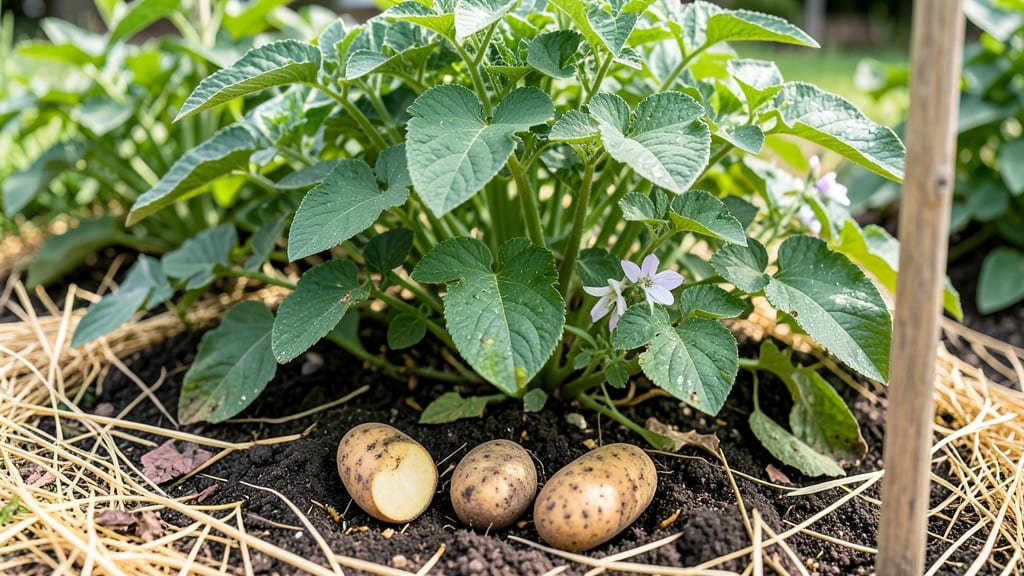
Knowing when you can plant potatoes in Colorado can make the difference between a thriving harvest and wasted effort—get it wrong, and frost or drought will ruin your crop before you even dig the first spud.
With elevation zones ranging from USDA 4 in the mountains to USDA 7 near Denver, Colorado’s climate demands precise planting windows. Plant too early, and a late frost will kill tender sprouts; too late, and you’ll miss the 90-day growing season needed for most varieties.
I’ve tested the exact dates that work for Colorado gardeners—whether you’re in the foothills or high-altitude valleys—so you can plant with confidence and avoid common mistakes that waste time and resources.
From chitting your seed potatoes to adjusting for microclimates, here’s everything you need to know to time your planting perfectly and enjoy a harvest from late June to September.
Colorado potato planting dates by elevation zone (with frost risk analysis)
Colorado’s three distinct elevation zones—lowland (3,000–5,000 ft), foothills (5,000–7,000 ft), and mountains (7,000+ ft)—each demand different potato planting windows. The key is aligning your schedule with soil temperatures (45°F+ for germination) and last frost dates, which can vary by 10+ days between zones.
For example, Denver’s last frost typically hits April 15–May 1, while high-altitude areas like Fort Collins or Boulder may wait until May 15–June 1.
Early planting (4–6 weeks before last frost) gives you a head start, but cold soil can stunt growth. Late planting (after May 1) risks a smaller harvest before Colorado’s first frost in mid-October.
The sweet spot? Plant when soil reaches 45°F for 7+ days—this ensures consistent sprouting. Use a soil thermometer to check, especially in cooler zones.
Here’s how to match your elevation to the perfect planting window, along with frost risk factors and soil prep tips tailored to each zone:
| Elevation Zone | Last Frost Date (Avg.) | Ideal Planting Window | Soil Temp. Threshold | Frost Risk |
|---|---|---|---|---|
| Lowland (3,000–5,000 ft) | April 1–15 | Late March–April 15 | 45°F+ (consistent) | Low (use row covers if late) |
| Foothills (5,000–7,000 ft) | April 15–May 1 | April 1–May 1 | 48°F+ (warmer soil needed) | Moderate (watch for late frosts) |
| Mountain (7,000+ ft) | May 15–June 1 | May 1–June 1 | 50°F+ (slow germination) | High (plant cold-hardy varieties) |
For lowland zones (e.g., Colorado Springs, Pueblo), early varieties like Red LaSoda or Yukon Gold thrive when planted in late March. These areas benefit from warmer soils and longer growing seasons, allowing for two harvests if you plant early and late batches.
Always chit your seed potatoes (sprout indoors) 4–6 weeks before planting to jumpstart growth.
In foothills and mountain regions, prioritize cold-tolerant varieties like Kennebec or Russet Burbank. These can handle cooler soils and shorter seasons. If you’re in Denver or Boulder, aim for April 15–May 1 planting—this balances frost risk with harvest timing.
Use black plastic mulch to warm soil 5–10°F faster in these zones.
High-altitude gardeners (7,000+ ft) should focus on late-maturing varieties like Monalisa or Sante, which tolerate shorter seasons. Plant no later than June 1 to ensure tubers mature before frost.
Extend your season with row covers or cold frames—these can add 2–4 weeks to your growing window.
Pro tip: Check local frost dates via the Colorado Climate Center or Almanac tools like Old Farmer’s Almanac. Add 2 weeks to their averages for safety—Colorado’s microclimates can shift frost dates by 10+ days even within a city.
For example, Fort Collins might frost on May 10, while nearby Loveland could wait until May 20.
Once you’ve nailed your planting window, prep soil by adding compost or aged manure to boost nutrients. Potatoes are heavy feeders, so aim for pH 5.0–6.5. In drought-prone areas (common in Colorado), mulch with straw to retain moisture and suppress weeds.
This is especially critical in June–July, when Colorado’s dry heat can stress young plants.
Finally, remember: earlier planting ≠ earlier harvest. Cold soil delays germination, so even if you plant in March, growth may stall until April. Monitor your plants and adjust watering—1–2 inches per week—to avoid
How to extend your Colorado potato growing season (cold-hardy varieties & protection tips)
Colorado’s short growing season means timing is critical for potato success. But with the right strategies, you can push your planting window earlier or later than typical dates. Cold-hardy varieties and simple protection methods let you grow potatoes in March or even late May—when others might give up.
Start by choosing early-maturing varieties like Red LaSoda or Yukon Gold, which tolerate cooler soils. These can handle 40°F soil temperatures, while standard varieties need 50°F+. For late-season extensions, opt for Kennebec or Russet Burbank, which store well for fall harvests.
Another game-changer? Row covers or black plastic mulch. These raise soil temps by 5-10°F, letting you plant 2-4 weeks earlier in spring. In high-altitude areas (7,000+ ft), this can mean the difference between a failed crop and a bountiful harvest.
- Chit potatoes 4-6 weeks before planting to jumpstart growth.
- Use straw mulch (6+ inches) to insulate soil and prevent frost damage.
- Plant in south-facing beds where soil warms faster.
- Choose late-blight-resistant varieties like Purple Viking for humid summers.
- Apply compost-rich soil to improve heat tolerance.
- Water deeply every 3-4 days to prevent stress in hot spells.
- Use frost blankets on young plants during late frosts (28°F+).
- Plant near windbreaks (fences, shrubs) to reduce cold air pooling.
- Harvest new potatoes early if frost threatens—even small tubers are edible!
For high-altitude gardeners (7,000+ ft), consider container growing. Black pots absorb heat and can warm soil 10°F faster than ground soil. Place containers on dark-colored pallets or roofing fabric to amplify warmth.
Don’t forget to monitor local frost dates via the Colorado Climate Center or Almanac. Even with protections, consistent below-32°F temps will kill potatoes—so plan for at least 90 frost-free days to harvest mature tubers.
With these tricks, you can grow potatoes earlier in spring or later in summer, turning Colorado’s challenges into opportunities for a longer harvest window. The key? Variety selection, soil warmth, and protective layers—all tailored to your elevation zone.