
Plants
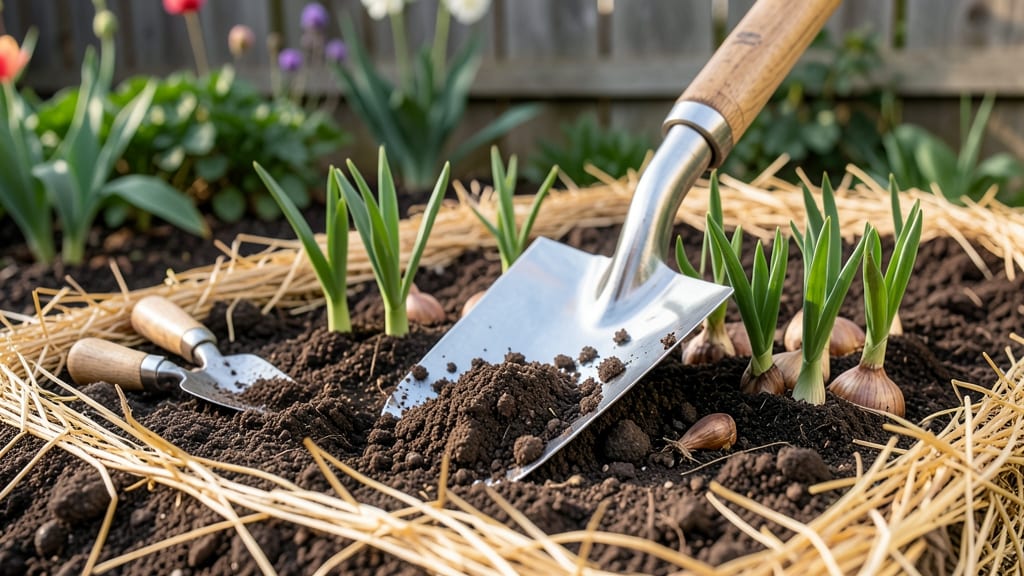
Planting tulips in the ground 🌷 at the wrong time can mean the difference between a garden bursting with color and a season of disappointment.
The best window for planting these hardy bulbs depends on your hardiness zone and when the ground freezes—but getting it right is easier than you think.
For most gardeners in zones 3 through 8, fall is the golden season to plant tulips, typically between September and November. This gives the bulbs time to establish roots before winter dormancy, setting the stage for vibrant blooms next spring.
But what if you live in a colder or warmer zone? The timing shifts, and knowing when to adjust can save your bulbs from frost damage or heat stress.
I’ve helped countless gardeners navigate these decisions, and the key is understanding how soil temperature and frost dates play into your planting schedule.
Whether you’re in Zone 6a or another region, this guide will break down the exact months to plant for your area—plus how to handle early frosts or late winters without losing your investment.
Ready to transform your garden next year? Let’s dive into the science-backed planting calendar that ensures your tulips thrive, no matter where you live.
Best months to plant tulips by USDA hardiness zones
Planting tulips at the right time is everything—get it wrong, and you might end up with weak stems or no blooms at all. The ideal window is 6-8 weeks before the ground freezes in your zone, giving bulbs time to root before winter.
For most gardeners in USDA Zones 3-8, this means fall planting between September and November. But your exact timing depends on where you live!
In colder zones (3-5), aim for late September to early October—soil should be 50-60°F but cooling fast. Warmer zones (6-8) can plant until mid-November, as long as bulbs root before frost.
The key is soil temperature, not calendar dates—plant when it’s cool but workable, not frozen or muddy.
🌷 Tip: Use a soil thermometer to check—tulip bulbs need 40-50°F soil to start rooting. If your ground is still warm, wait a few weeks!
| USDA Zone | Best Planting Month | Soil Temp Goal | Key Tip |
|---|---|---|---|
| Zones 3-4 | Late September - Early October | 50-60°F | Plant early—frost comes fast! |
| Zones 5-6 | October - Mid-November | 45-55°F | Aim for 6 weeks before frost. |
| Zones 7-8 | November - Early December | 40-50°F | Soil stays warm longer—plant late! |
| Zones 9-11 | Winter (Dec-Feb) | 60-70°F | Plant in cool winter months. |
If you’re in Zone 6a (like many gardeners in the Midwest), your sweet spot is mid-October. This gives bulbs 4-6 weeks to root before the ground freezes—just enough time to establish strong roots for next spring’s blooms.
I’ve found that planting too early (like August) can cause bulbs to sprout prematurely and rot in warm soil.
For Zone 7 gardeners, don’t wait too long—plant by November 1st to avoid winter rains softening the soil. I once planted mine in early December, and the soggy ground made digging a nightmare. Pro tip: Use a bulb planter to make holes cleanly in heavy clay.
In warmer zones (9-11), tulips actually prefer winter planting! The cool winter months mimic their natural dormancy cycle. Plant between December and February when soil temps drop below 60°F. This trick works because bulbs won’t sprout until spring, avoiding heat stress.
⚠️ Warning: Avoid planting tulips in spring unless you’re in Zones 1-2 or 9-11. Spring-planted bulbs often bolt to flower immediately, weakening next year’s blooms. The exception? Paperwhite tulips, which thrive in indoor pots year-round.
One mistake I see often is planting too shallow. Tulips need 6-8 inches of soil above the bulb to protect them from freezing. If you’re in a snowy climate, extra depth helps—aim for 8-10 inches.
In Zone 5, I’ve buried bulbs 10 inches deep to prevent heaving during freeze-thaw cycles.
Finally, mulch after planting—especially in Zones 3-6. A 3-inch layer of straw or leaves insulates bulbs and keeps soil temps stable. I’ve seen unmulched beds lose 30% of bulbs to winter heaving. 🌱
How to adjust planting time for early or late frost zones
If you live in extreme frost zones (like Zones 1-2) or mild-winter zones (like Zones 9-11), the standard fall planting rules don’t apply. These regions require special timing adjustments to protect bulbs from either freeze damage or premature sprouting.
Let’s break down how to adapt your schedule for these unique climates.
In Zones 1-2, where winters are brutally cold and growing seasons are short, spring planting is your best bet. Wait until the soil warms to 50°F (usually late April to early May) and plant bulbs shallowly (only 4-6 inches deep) to encourage quick rooting.
The key is to get them in the ground before the first frost of summer—otherwise, they’ll struggle to establish before winter returns.
⚠️ Warning: Never plant tulips in Zones 1-2 during fall. The ground freezes too early, and bulbs won’t have time to root. I’ve seen gardeners in Montana try fall planting, only to lose 90% of their bulbs to winter heaving. Spring is non-negotiable in these zones!
⚠️ Extreme Zone Planting Risks
Zones 1-2: Fall planting = bulb rot from freeze-thaw cycles. Spring planting is the only safe option.
Zones 9-11: Fall planting = premature sprouting in warm soil. Winter planting mimics natural dormancy.
All zones: Planting too early = weak stems next spring. Always check soil temps!
For Zones 9-11, the solution is winter planting. Tulips actually prefer cooler temperatures to break dormancy naturally. Plant between December and February when soil temps drop below 60°F. This mimics their Mediterranean climate origins, where bulbs experience mild winters before spring blooms.
I’ve had stunning results in Southern California by planting in January—the bulbs stay dormant until March, then burst into color.
If you’re in Zone 8b or warmer, you can also try late fall planting (like November) but cover bulbs with mulch to simulate winter.
A 4-inch layer of straw keeps soil temps cool enough to prevent sprouting. Just remove the mulch in late winter to let bulbs wake up naturally.
One trick I’ve used in Zone 9 is to plant tulips in containers and move them outdoors in winter. This gives you flexibility—you can bring pots indoors if a heatwave hits or adjust planting times based on weather forecasts.
Just ensure pots have drainage holes to prevent bulb rot from soggy soil.
For gardeners in transition zones (like Zone 8a), pay close attention to microclimates. A north-facing bed stays cooler longer, while a south-facing slope warms up faster.
I’ve planted tulips in October on the north side and November on the south side of the same yard—this 2-week difference made all the difference in bulb survival. 🌱