
Planting
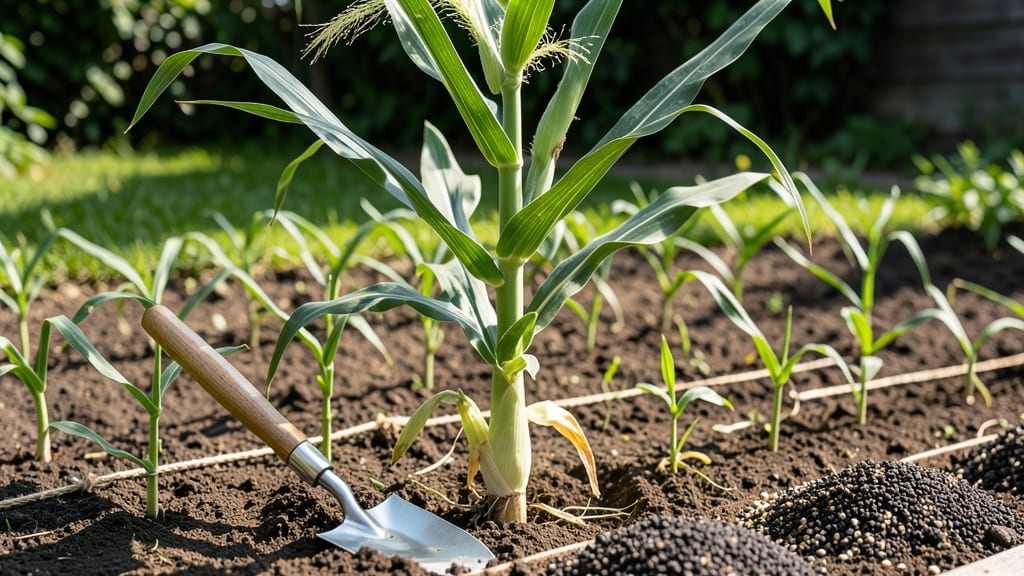
Farmers in Ohio know that planting 🌽 corn at the wrong time can turn a promising season into a costly gamble.
The difference between a thriving crop and a failed one often comes down to those first few weeks of spring, when soil temperatures and frost dates become the ultimate decision-makers.
While the official window for planting 🌽 corn stretches from mid-April to late May, the real magic happens when the soil warms to at least 50°F—a threshold that can shift dramatically depending on whether you're in northern Ohio's cooler 6a zone or the warmer southern regions.
Missing this sweet spot means risking slow germination or even frost damage, which could wipe out your entire field.
But here's the thing: timing isn't just about the calendar. Smart farmers also watch for growing degree days and adjust for moisture levels, knowing that planting too early or too late can throw off the entire growing season.
If you're a home gardener, you might have more flexibility—but aligning with these professional strategies can still mean the difference between dinner-table ears of corn and disappointment.
In this guide, I'll break down exactly how Ohio farmers determine their planting dates, including soil prep tips, variety selection, and how climate change is pushing these windows earlier every year. Ready to plant with confidence?
Ohio corn planting timeline: ideal soil temperatures and degree days
Ohio farmers don’t just plant corn when the calendar says "spring"—they watch for soil temperatures and growing degree days (GDD) to pinpoint the perfect window. Corn seeds need 50°F soil temperatures to germinate reliably, but waiting until 55°F+ ensures faster, more uniform sprouting.
This timing varies by Ohio region, with southern counties like Hamilton planting earlier than northern areas like Ashtabula.
Most Ohio farmers aim to plant corn between mid-April and late May, but the exact date depends on weather forecasts and historical frost data.
For example, in USDA Zone 6a (covering most of Ohio), the last average frost date is around April 15, but planting too early risks frost damage to tender seedlings. Waiting 2–3 weeks past the last frost gives corn a head start before summer heat arrives.
Growing degree days (GDD) are the real secret weapon. Farmers track 50°F base temperature accumulations—corn needs about 900–1,200 GDDs from planting to maturity. In Ohio, this typically translates to planting by May 10 in southern Ohio and by May 20 in northern Ohio to avoid late-season frost cutting yields short.
🌱
🌽 Ohio Corn Planting Timeline by Region
| Region | Ideal Planting Window | Soil Temp Trigger | Key Risk |
|---|---|---|---|
| Southern Ohio (e.g., Cincinnati, Columbus) | Mid-April to early May | 50°F+ for 5+ days | Late frost after planting |
| Central Ohio (e.g., Cleveland, Dayton) | Late April to mid-May | 55°F+ for 7+ days | Slow soil warming |
| Northern Ohio (e.g., Toledo, Youngstown) | Early to mid-May | 55°F+ for 10+ days | Short growing season |
Note: Adjust planting dates 1–2 weeks later for cooler-than-average springs.
Monitoring soil temps is easier than ever with digital soil thermometers or weather station apps like NOAA Climate or Farmers’ Almanac. I recommend planting when soil temps stay above 50°F for 5 consecutive days—this reduces the risk of seed rot and uneven germination.
Pro tip: Morning soil temps are the most reliable indicator, as afternoon sun can artificially inflate readings.
Climate change is also shifting Ohio’s planting window. Over the past decade, earlier springs have allowed some farmers to plant by early April, but unpredictable late frosts (like the 2018 "bomb cyclone") remind us that flexibility is key.
Using short-season varieties (maturing in 85–100 days) gives farmers a safety net if summer weather turns cool.
For home gardeners, aligning with commercial planting dates isn’t always practical. Smaller plots can tolerate slightly later plantings (up to early June), but yields may drop by 10–20% if planted after May 15. The trade-off? Later plantings avoid corn rootworm pressure, which peaks in early May.
🌾
One common mistake is planting too deep. Corn seeds should be buried 1.5–2 inches deep in loamy soil—deeper in sandy soil, shallower in clay. If you’re unsure, use a seed depth gauge or mark rows with a wooden stake for consistency.
Overcrowding seeds (planting too close) also stresses young plants, so follow variety-specific spacing (e.g., 12–15 inches apart for sweet corn).
Finally, don’t ignore moisture levels at planting. Soil should be damp but not soggy—corn seeds need consistent moisture to germinate, but waterlogged soil can suffocate roots. If rains are scarce, plan to irrigate immediately after planting to trigger germination.
Ohio corn planting timeline: ideal soil temperatures and degree days
Ohio farmers don’t just follow the calendar—they watch the soil thermometer like a hawk. Corn seeds need 50°F soil temperatures to germinate reliably, and most farmers aim to plant when the 5-inch soil temp consistently stays above 55°F.
This usually lands between mid-April and late May, but northern Ohio’s cooler climate often pushes planting dates 2-3 weeks later than southern counties.
Beyond soil temperature, growing degree days (GDD) are the secret sauce. Ohio farmers track GDD to predict when corn reaches key stages like tasseling and silking.
For most hybrids, planting when 200-300 GDD have accumulated since January gives corn enough time to mature before Ohio’s first frost in October. Tools like the NOAA Climate Data portal or local agricultural extension offices provide real-time GDD updates.
| Region | Ideal Planting Window | Soil Temp Trigger | GDD Accumulation |
|---|---|---|---|
| Northern Ohio (USDA Zone 5) | Late April to mid-May | 55°F (5-inch depth) | 250-300 GDD |
| Central Ohio (USDA Zone 6) | Mid-April to late April | 50°F (5-inch depth) | 200-250 GDD |
| Southern Ohio (USDA Zone 7) | Early April to mid-April | 48°F (5-inch depth) | 150-200 GDD |
Even with perfect timing, soil moisture can derail germination. Ohio’s unpredictable spring weather—like the 2019 floods or 2020 drought—forces farmers to monitor soil moisture probes alongside temperatures.
Planting too early in cold, wet soil risks seed rot, while waiting too long in dry conditions can lead to compacted soil that stunts root growth. Most successful farmers aim for 1-2 inches of rain in the week before planting to ensure moisture reaches seed depth.
For home gardeners, aligning with commercial planting dates isn’t always practical. Smaller plots can afford to plant 1-2 weeks later than farmers, especially if using early-maturity varieties.
However, never plant after June 1 in Ohio—corn needs at least 90-120 days to mature, and late plantings risk immature harvests before frost. Use a planting calendar from Ohio State University Extension to tailor dates to your microclimate.
Climate change is shrinking Ohio’s planting window. Warmer winters mean earlier soil warming, but increased rainfall variability creates more planting delays.
Some forward-thinking farmers now use cover crops like rye to protect soil structure and no-till methods to preserve moisture, giving them flexibility to plant as soon as conditions allow—without waiting for the "perfect" window.
Pro tip: Invest in a soil thermometer and check temps at 8 AM daily during spring. If temps dip below 50°F at night, delay planting until stability improves. Corn won’t wait for you, but neither should you for it! ☀️