
Plants
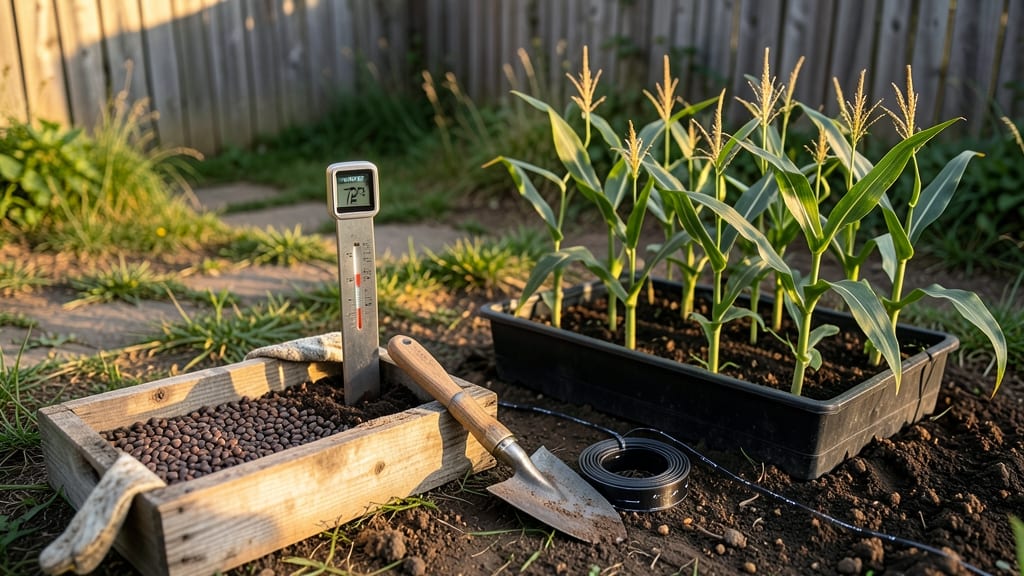
Planting corn in Zone 6b at the wrong time can mean the difference between a bumper crop of sweet 🌽 and a sad, frost-nipped failure. The key isn't just waiting for spring—it's timing it perfectly when soil temperatures hit that sweet spot of 60°F and frost risks fade.
Most gardeners in Zone 6b know the general rule: aim for mid-April to early May, but without checking soil temps or local frost trends, you're gambling with your harvest.
I've learned the hard way that even a week too early can leave tender seedlings vulnerable to late frosts, while planting too late might mean smaller ears or no harvest at all.
Here's what you need to know: the ideal window opens when daytime temps consistently stay above 50°F and soil reaches 60°F at least an inch deep.
That usually lands in late April for most of Zone 6b, but your exact timing depends on whether you're growing early varieties (like 80-day sweet corn) or later maturing types that need the full growing season.
We'll cover everything from soil tests to succession planting strategies so you can maximize your corn patch. Plus, I'll share my go-to tricks for extending the harvest season—because nobody wants to miss out on those golden ears!
Zone 6B corn planting timeline: frost dates & soil temperature guide
In Zone 6B, corn planting success hinges on two critical factors: soil temperature and frost-free dates. Corn seeds need soil that's warmed to at least 60°F (15.5°C) to germinate properly.
Planting too early risks frost damage or seeds rotting in cold soil, while waiting too long can shorten your harvest window.
For most of Zone 6B, the average last frost date falls around April 15, but this can vary by 5-10 days depending on microclimates. Corn is a warm-season crop that cannot tolerate frost, so waiting until after the last frost is non-negotiable.
However, soil warming often lags behind air temperatures, so don't rush to plant just because frost is gone.
Here's the key timeline to follow for Zone 6B corn planting:
| Stage | Action | Timeframe |
|---|---|---|
| Soil Warming | Monitor soil temperature daily using a soil thermometer | Mid-March to early April |
| Last Frost Date | Wait 2 weeks after average last frost (typically April 15) | Early to mid-April |
| Ideal Planting Window | Plant when soil reaches 60°F+ and stays above 50°F at night | Mid-April to early May |
| Succession Planting | For extended harvest, plant every 2 weeks until June 1 | June 1 (final planting) |
| First Frost Warning | Corn matures in 60-120 days—stop planting 4 months before first frost (October 15) | Late June |
For Zone 6B, I recommend starting your corn seeds outdoors no earlier than April 15, but I always wait until soil temperatures consistently hit 60°F—often mid-April to early May. Corn seeds won't germinate below 50°F (10°C), so rushing can waste seeds and money.
Pro tip: Use black plastic mulch or row covers to warm soil faster if you're eager to plant early. These methods can shave 1-2 weeks off your planting timeline by raising soil temperatures by 5-10°F. Just remove covers once plants emerge to prevent overheating.
If you're growing early-maturing varieties (60-80 days), you can push the envelope and plant as early as late March under protective covers. However, standard varieties (90+ days) should wait until mid-April to ensure they mature before frost.
Always check your local microclimate—valleys and low-lying areas frost later than hillsides.
Remember, corn is a short-day plant, meaning it needs consistent daylight to trigger flowering. In Zone 6B, where daylight stretches into 14-15 hours by summer, most varieties will pollinate successfully. However, northern varieties may need shade cloth in late summer to prevent premature flowering.
For a foolproof approach, I suggest planting a mix of early, mid, and late varieties in two-week intervals from mid-April to early June. This staggered planting ensures a continuous harvest from late July through September, giving you fresh ears all summer long.
🌽
Zone 6B corn planting timeline: frost dates & soil temperature guide
In Zone 6B, the last average frost date typically falls around April 15, but soil warming is the real game-changer for corn. Unlike cool-season crops, corn demands consistent warmth—seeds won’t germinate reliably below 50°F, and roots struggle below 60°F.
Waiting for stable 60°F+ soil temps (usually late April to early May) ensures vigorous growth and avoids stunted plants.
Corn’s 60-120 day maturity window means planting too late cuts harvests short. Early varieties (like 'Early Sunglow') can squeeze in by mid-June, while late types (like 'Black Aztec') need April starts.
The sweet spot? Plant 2-3 weeks after your last frost—typically mid-April to early May in Zone 6B—but always verify with a soil thermometer.
| Stage | Zone 6B Timeline | Key Conditions |
|---|---|---|
| Last Frost | April 15 (avg.) | Wait 2-3 weeks |
| Soil Temp | 60°F+ (consistent) | Use thermometer |
| Planting Window | Mid-April to early May | Direct sow only |
| Harvest Window | Late August–October | Ears fill in 75 days |
Pro tip: Cover seeds with black plastic mulch 1-2 weeks before planting to warm soil faster. This trick extends your window by 7-10 days, especially helpful for late Zone 6B gardeners. Pair it with row covers for early starts if frost sneaks back.
Succession planting is key for continuous harvests. After your first planting, add 2-3 week intervals until early July. Late plantings (post-July) risk smaller ears but can still yield popcorn varieties like 'Country Gentleman', which mature faster.
Monitor your local microclimate—low spots stay colder longer. If your garden’s soil warms slower, opt for early-maturing hybrids (e.g., 'Silver Queen') to hedge against late frosts. Always check seed packet days-to-maturity against your frost-free window!
For extra confidence, test soil readiness with a moisture meter. Corn needs 1-1.5 inches of water weekly, but soggy soil chills roots. Aim for 60% moisture at planting—drier soil warms faster, but don’t let it bake.