
Plants
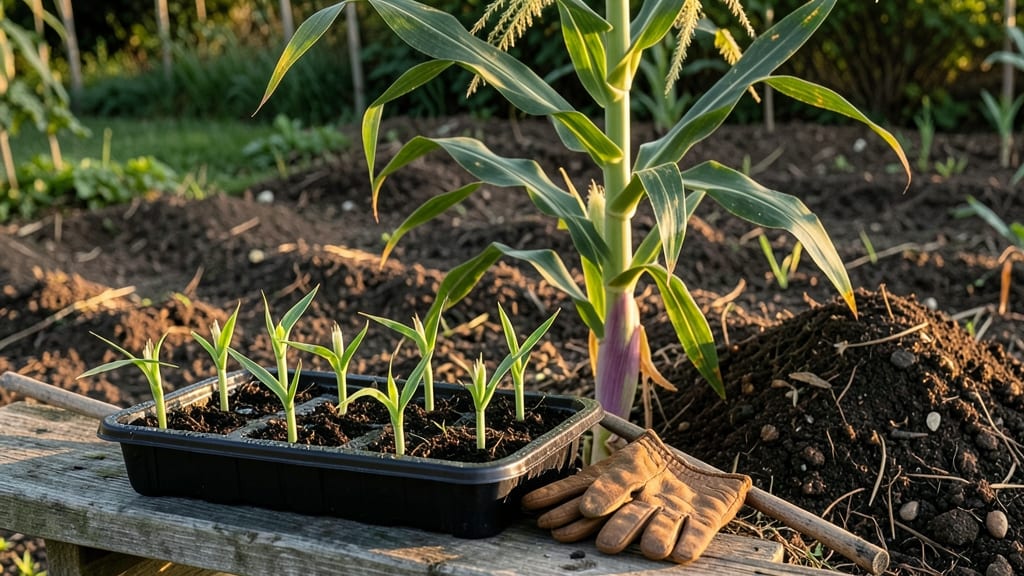
If you're growing corn in Zone 9, timing is everything—plant too early and your seedlings will wilt under the relentless spring sun, while waiting too long risks missing the sweet spot for a bountiful harvest.
The key to success lies in understanding how 🌽 corn behaves in desert-like climates like Southern California or Phoenix, where soil warms up fast and heat stress is a real threat.
Most gardeners assume corn needs cool soil to germinate, but Zone 9's rapid warming means you've got just a narrow window—typically late February to early March—to get seeds in the ground when temperatures hit that sweet 60°F threshold.
This isn't just about avoiding frost (which Zone 9 often skips entirely), but about giving your plants a fighting chance against the kind of heat that can turn tender seedlings to mush within days.
What I've learned from years of experimenting is that the right variety and a few smart tricks can make all the difference.
We're talking about heat-tolerant hybrids that thrive in 90°F+ conditions, plus simple strategies like shade cloth and mulching to buy your corn time to establish strong roots before the real summer heat kicks in.
Ready to unlock the secrets to growing corn that actually survives—and thrives—in Zone 9? Let's dive into the exact planting schedule, variety choices, and heat-beating techniques that'll have you pulling ears straight from the stalk by summer.
Optimal planting windows for corn in Zone 9: heat tolerance timeline
Corn thrives in Zone 9’s warm climate, but timing is everything. Unlike cooler zones, you can’t rely on spring frost dates—your goal is to avoid heat stress in seedlings while ensuring ears mature before summer’s peak temperatures.
The ideal window is late February to early April, when soil temps hit 60°F+ consistently.
Zone 9’s rapid warming means corn planted in early March often bolts (goes to seed prematurely) if temperatures exceed 90°F during tasseling. To beat the heat, aim for 60-75 days to maturity varieties and stagger plantings every 2 weeks for continuous harvests.
Here’s how to calculate your perfect planting window:
- Check your last frost date (if applicable—some Zone 9 areas have none).
- Subtract 90 days from your first 95°F+ heatwave.
- Plant when soil reaches 60°F (use a soil thermometer for accuracy).
For example, in Phoenix, plant mid-February to early March for summer harvests. In Southern California’s coastal areas, wait until late March to avoid early heat spikes.
| Stage | Action | Zone 9 Timeline | Key Tip |
|---|---|---|---|
| Soil Prep | Loosen soil, add compost | January-February | Test pH (6.0-7.0 ideal) |
| Planting | Direct-seed 1" deep | Late Feb–Early April | Use black plastic mulch |
| Germination | Keep soil moist | 7-14 days | Shade seedlings if >85°F |
| Tasseling | Monitor heat stress | May-June | Water deeply at dawn |
| Harvest | Pick when silks brown | July-August | Harvest in morning for sweetness |
Pro tip: Use a soil thermometer to confirm readiness—corn won’t germinate well below 60°F. If your soil warms too quickly, try shade cloth or drip irrigation to slow early growth and prevent bolting.
For fall planting (less common in Zone 9), try late summer varieties like 'Early Sunglow' and plant in September. This avoids summer’s worst heat but risks shorter daylight reducing yield.
Remember: Corn is wind-pollinated, so plant in blocks (not rows) to ensure cross-pollination. A 4’x4’ plot with 12 plants yields enough for a family of 4.
Zone 9’s long growing season is your advantage—just time it right to avoid heat stress and maximize sweetness. With the right variety and care, you’ll harvest juicy, homegrown corn even in the desert! 🌽
Pro tips to protect corn seedlings from Zone 9’s early heat: shade cloth, mulching, and watering hacks
Zone 9’s early spring heat can turn your corn seedlings into crispy snacks before they even sprout. The key is creating a cool microclimate around your seedlings while they establish roots.
Without protection, temperatures above 85°F can halt germination and scorch young leaves within days. I’ve learned the hard way—last year, my seedlings wilted under the desert sun before I could react.
Start by shading your seedlings immediately after planting. Use 30-50% shade cloth to filter harsh sunlight while allowing enough light for photosynthesis. Secure the cloth with stakes or a lightweight frame to prevent it from touching the plants, which can cause mold.
Remove it gradually after 2-3 weeks once seedlings are 4-6 inches tall and better equipped to handle heat.
Black plastic mulch is another game-changer for Zone 9 gardeners. Lay it down 1-2 weeks before planting to warm the soil faster and suppress weeds. The mulch also retains moisture near the roots, reducing the need for frequent watering. Just be sure to leave a small gap around the seedlings to prevent overheating at the base.
🌱 Pro Tip: Shield & Hydrate
Shade cloth blocks 30-50% of sunlight for seedlings. Drip irrigation keeps roots cool. Morning watering prevents fungal risks from evening moisture.
Watering is critical—deep, infrequent watering beats shallow, frequent sprinkles. Aim for 1-2 inches of water per week, delivered early in the morning to reduce evaporation and fungal risks. Use a soaker hose or drip irrigation system to keep water at the root zone without wetting the leaves.
Avoid overhead watering, especially in the heat, as it can lead to corn leaf blight and other diseases.
Watch for heat stress signs like yellowing leaves, wilting, or stunted growth. If you see these, provide immediate shade and increase watering slightly. Heat stress can also cause bolting—where corn plants flower prematurely—leading to poor ear development. Choose heat-tolerant varieties (like 'Early Sunglow') to minimize this risk.
Finally, mulch again with straw or wood chips once seedlings are established. This insulates roots, keeps soil moist, and regulates temperature. In my Phoenix garden, this combo of shade, mulch, and smart watering has helped me grow healthy corn plants even when daytime temps hit 100°F by mid-spring.