
Companion Plants
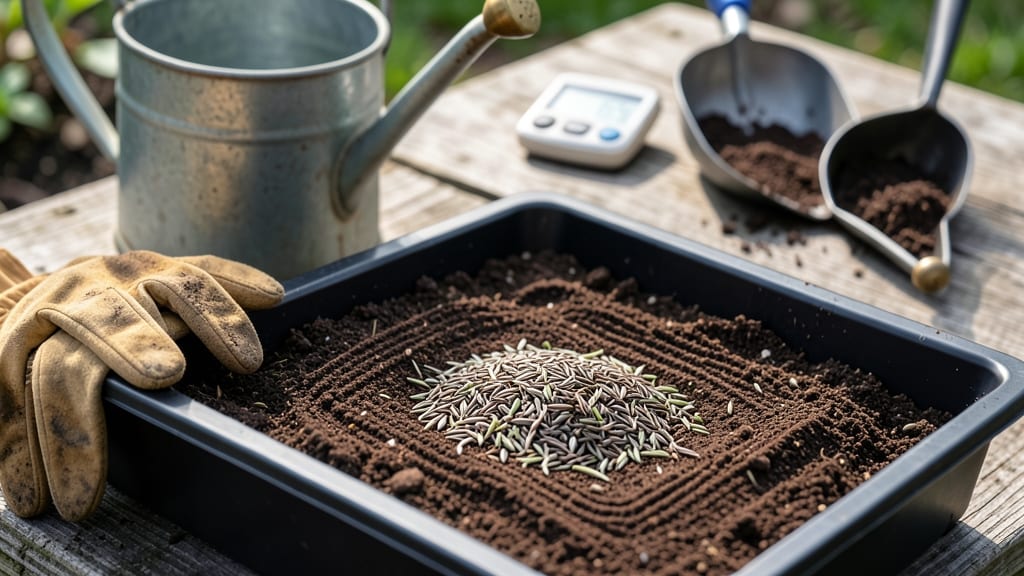
Planting grass seed at the wrong time in spring can leave you staring at a barren lawn for weeks—if not months. The key to fast, lush germination isn’t just luck; it’s knowing when your soil is ready.
In zone 6a, timing matters most between March and April, but one wrong move (like planting too early) can trigger frost damage or slow growth.
I’ve learned the hard way that rushing the process means wasted seed and frustration. The secret? Waiting until soil temperatures hit at least 50°F—that’s when 🌱 grass seeds wake up and race toward your perfect lawn.
But here’s the catch: cool-season grasses (like fescue) thrive in early spring, while warm-season types (like Bermuda) need summer heat. Let’s break down exactly when to plant for your climate—and how to avoid common pitfalls that kill germination before it starts.
You’ll discover the 3-step soil prep checklist that cuts germination time in half, plus regional adjustments for USDA zone 6a (and beyond). No more guessing—just science-backed timing to get your lawn off to a fast start. Ready to transform bare spots into vibrant turf? Let’s get started.
This isn’t just about throwing seed on dirt and hoping for the best. We’re talking consistent moisture, weed control, and the right seed blend for your yard.
Skip the trial-and-error phase—here’s how to plant grass seed the smart way, so you’re mowing a lush lawn by summer, not patching bare dirt.
Spring grass seed planting timeline: the perfect soil temperature window
Planting grass seed in spring is all about timing—specifically, soil temperature. Cool-season grasses like Kentucky bluegrass and fescue thrive when soil hits 50°F–65°F, while warm-season types such as Bermuda and zoysia need 70°F–75°F.
Plant too early, and frost will kill tender sprouts; too late, and summer heat stresses new growth. The key is waiting for consistent daytime highs above freezing but before extreme heat sets in.
Most gardeners in USDA zones 5–8 should aim for 4–6 weeks before the last frost date (typically late March to early May). For example, in Zone 6a, I target early April when soil temps stabilize at 55°F.
Use a soil thermometer (or a DIY method like checking at dusk—if the top 1–2 inches feel warm but not hot, it’s likely ready).
Regional differences matter: Northern climates (e.g., Minnesota, New York) may wait until May for warm soil, while Southern states (e.g., Texas, Florida) can plant as early as February for warm-season grasses.
Always check your local frost dates and monitor weekly temperature trends—a sudden cold snap can undo weeks of prep.
🌱
Testing soil temperature is simpler than it sounds. Bury a soil thermometer 1–2 inches deep (where seeds will germinate) and check daily for 3 consecutive days. If temps are stable in your grass type’s range, it’s go time.
No thermometer? Press your hand into the soil at 4 PM—if it feels warm but not scorching, it’s likely safe. Avoid planting if temps fluctuate wildly (e.g., 30°F swings), as this stresses seedlings.
Pro tip: Morning planting is ideal because cooler temps reduce moisture loss. Spread seed evenly with a drop spreader, then lightly rake to ensure soil contact. Cover with ¼-inch of topsoil (no more!) to protect seeds from birds and drying winds.
Water gently but thoroughly—aim for 1–1.5 inches of water weekly during establishment, keeping soil consistently moist (not soggy).
Watch for sprouts in 7–21 days, depending on the variety. Cool-season grasses like tall fescue may take 14–21 days, while ryegrass can pop up in just 5–7 days.
Once seedlings hit 3 inches tall, thin out any bare spots by reseeding and reduce watering to 2–3 times weekly. Avoid heavy foot traffic for at least 4–6 weeks to prevent uprooting delicate roots.
💧
Common mistakes derail even the best-laid plans. Planting too early risks frost damage, while waiting too late exposes seeds to heat stress. Skipping soil prep (e.g., removing debris or leveling low spots) leads to uneven growth.
And inconsistent watering—either drowning seeds or letting them dry out—kills germination before it starts. Always test soil pH (ideal: 6.0–7.5) and amend with lime or sulfur if needed before seeding.
For a 90%+ germination rate, pair the right timing with starter fertilizer (high in phosphorus) and a light mulch (like straw) to retain moisture.
Monitor daily for pests like crabgrass or diseases such as brown patch, and treat preemptively with pre-emergent herbicide (for weeds) or fungicide if humidity is high. With patience and precision, your lawn will go from bare patches to lush green in just a few weeks.
Spring grass seed planting timeline: the perfect soil temperature window
Your grass seed won’t germinate properly if you plant it when the soil is still too cold. For cool-season grasses like Kentucky bluegrass or fescue, aim for soil temperatures between 50°F and 65°F. Warm-season varieties like Bermuda or zoysia need 65°F to 75°F to wake up and grow.
In USDA zone 6a, this typically means waiting until late March or early April—but don’t guess. Use a soil thermometer to check depths of 2-4 inches.
Testing soil temperature is easier than you think. Stick a thermometer into the ground for 10 minutes, then read it. If it’s below 50°F, hold off planting. Waiting a few weeks can mean the difference between a lush lawn and a patchy failure.
Pro tip: Early mornings are cooler, so test in the afternoon when soil temps are highest.
| Grass Type | Ideal Soil Temp (°F) | Best Planting Window (Zone 6a) | Germination Time |
|---|---|---|---|
| Cool-Season (Fescue, Bluegrass) | 50°F–65°F | Late March–Early May | 10–21 days |
| Warm-Season (Bermuda, Zoysia) | 65°F–75°F | Mid-May–June | 14–30 days |
| Ryegrass (Fast Germination) | 40°F–60°F | Early March–Late April | 7–14 days |
Don’t let frost fool you—just because the air feels warm doesn’t mean the soil is ready. In zone 6a, frost can linger until mid-April, so always check soil temps, not just air temps. A DIY trick is to press your hand into the soil for 5 seconds.
If it feels cool (not cold), it’s likely in the right range for planting. For faster results, use a seed starter fertilizer to jumpstart growth once the soil is warm enough.
Regional variations matter too. Northern areas of zone 6a (like Chicago) may need to wait until late April, while southern parts (like Atlanta) can plant as early as mid-March.
Always align your planting with your local last frost date—planting too early risks frost damage, while waiting too long can let weeds take over. Balance is key.
Once your soil hits the sweet spot, act fast. Grass seed has a limited window for germination—typically 2–4 weeks before heat or drought stress sets in. After planting, keep the soil consistently moist (not soggy) by watering lightly twice daily for the first week.
A sprinkler set on a light mist setting works best. Overwatering can wash seeds away, while underwatering leaves them dry and dormant.
Your goal is 90% germination within 3 weeks. To track progress, mark a 1-foot square of your lawn and count sprouts daily. If you see slow growth after 10 days, check for uneven watering or compacted soil.
Adjust your approach—your perfect lawn starts with the right timing and care. Now you’re ready to transform bare spots into a vibrant, healthy turf.