
Planting
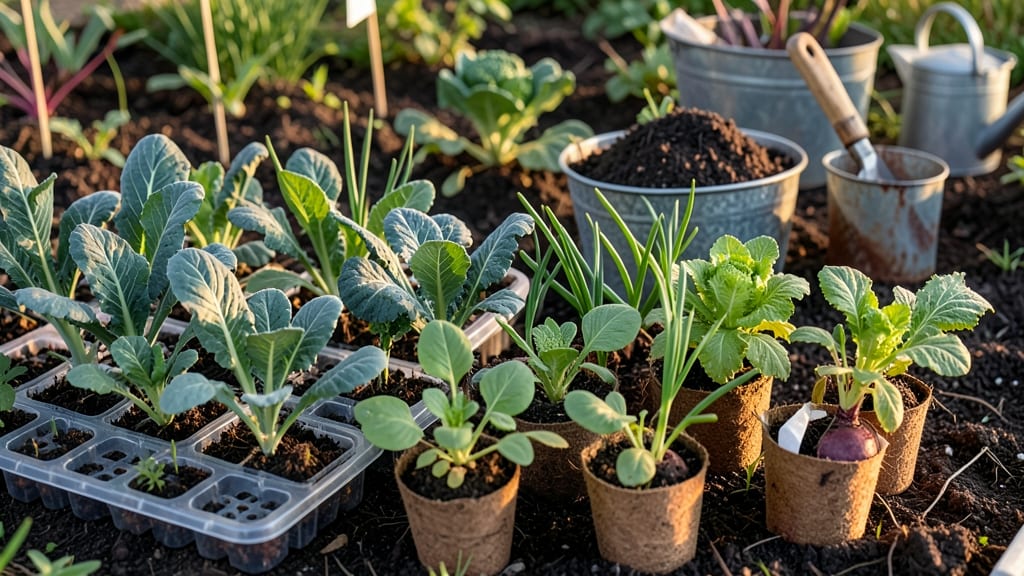
If you’ve ever wondered when do you plant a fall garden in Texas, you’re not alone—getting the timing right can make or break your harvest.
The key isn’t just waiting for cooler weather; it’s planting at the perfect heat zone deadlines to ensure fast germination before the first frost sneaks in.
Texas gardeners know the stakes: plant too early, and your seedlings bolt in the heat; too late, and frost steals your hard work. But with the right strategy, you can beat the odds and enjoy a bountiful fall harvest of leafy greens, root vegetables, and herbs.
Let’s break down the exact windows you need to know for your region.
From North Texas’s cooler highlands to South Texas’s extended growing season, each area has its own ideal planting dates. I’ll show you how to time your crops for maximum success, whether you’re sowing heat-tolerant radishes or cold-hardy spinach. Ready to turn your fall garden into a thriving success?
Don’t miss out on the fastest-growing crops that thrive in Texas’s unique climate. With the right planning, you’ll be harvesting before frost even thinks about paying a visit. Let’s get started!
Texas heat Zone deadlines: exact planting windows by region
Texas gardeners face a unique challenge: the scorching summer heat and unpredictable fall frost dates that vary dramatically by region. Whether you're in North Texas (Zone 7b-8a) or South Texas (Zone 9a-10a), knowing your last safe planting window for fall crops is critical.
Miss these deadlines, and your lettuce bolts or radishes rot before harvest.
Fast-germinating crops like radishes (5-7 days) and spinach (7-14 days) give you a narrow window—often just 4-6 weeks—to establish roots before summer heat stress sets in.
In Zone 8a, for example, your last chance to plant heat-sensitive greens might be mid-August, while Zone 10a gardeners can push it to early September.
Below is your region-specific planting calendar for fast-germinating fall crops, including last safe dates by Texas heat zone. Use this to time your seed sowing and transplanting for maximum success before the first frost.
| Texas Heat Zone | Last Safe Planting Date | Fast-Germinating Crops (Days to Sprout) | Key Considerations |
|---|---|---|---|
| Zone 7b-8a (North TX: Dallas, Fort Worth) | Mid-August | Radishes (5-7), Lettuce (7-14), Spinach (7-14) | First frost: mid-November. Use shade cloth after planting. |
| Zone 8a (Central TX: Austin, San Antonio) | Late August | Bush Beans (5-10), Swiss Chard (10-15), Arugula (7-10) | First frost: late November. Prioritize succession planting every 2 weeks. |
| Zone 8b-9a (South-Central TX: College Station, Waco) | Early September | Turnips (5-10), Kale (7-14), Collards (7-14) | First frost: early December. Extend season with row covers. |
| Zone 9a-10a (South TX: Houston, Corpus Christi) | Mid-September | Okra (5-10), Southern Peas (5-7), Mustard Greens (7-10) | First frost: rare before January. Focus on heat-tolerant varieties. |
If you're in Zone 8a or cooler, aim to have your fast-germinating seeds sprouted by early September—this gives them 8-10 weeks to mature before frost.
For example, radishes take just 25-30 days to harvest, so planting by mid-August in Zone 7b ensures a late-September harvest before heat stress kicks in.
In warmer zones (9a-10a), you can push your luck slightly later, but don’t wait past early September for leafy greens. Instead, focus on heat-tolerant crops like Southern peas or okra, which thrive in 90°F+ soil and can handle light frosts better than traditional fall greens.
Pro tip: Test your soil temperature before planting—ideal germination range for most fall crops is 60-75°F. If your soil is above 80°F, opt for shade-loving varieties like arugula or Swiss chard, which handle heat better than lettuce or spinach.
For slow-to-germinate crops (like carrots or beets), start seeds 4-6 weeks earlier than your zone’s deadline. Use seedling trays indoors under grow lights to give them a head start before transplanting outdoors by your last safe date.
Remember: Succession planting is your best friend in Texas. Instead of planting all your radishes at once, sow half in August and half in September to stagger harvests. This ensures you’re not overwhelmed with bolting greens or overripe produce all at once.
Finally, keep an eye on your local frost date—while Zone 10a might not see frost until January, a cold snap in November can still damage tender crops. Use frost cloth or row covers to protect your garden if temperatures dip below 32°F.
With these heat zone deadlines locked in, you’re ready to plant a bountiful Texas fall garden—just in time for harvest before
Texas heat Zone deadlines: exact planting windows by region
Texas spans USDA Hardiness Zones 7b through 10a, meaning your fall planting window can vary by 6+ weeks depending on where you live.
In North Texas (Zones 7b-8a), the first frost typically arrives by mid-November, while South Texas (Zones 9a-10a) may see frost as late as January. This means your planting deadlines must align with your local heat zone to avoid summer stress or frost damage.
For fast-germinating crops like lettuce and radishes, aim to plant 6-8 weeks before your average first frost date. Slow-to-mature crops, like broccoli or cabbage, need 10-12 weeks of growth. Missing these windows can leave your garden struggling in 90°F+ soil or failing to mature before frost.
Here’s how to pinpoint your exact planting window using Texas heat zones:
| Heat Zone | Last Safe Planting Date | Fast Germinators (6-8 wks) | Slow Germinators (10-12 wks) |
|---|---|---|---|
| 7b-8a (North Texas) | Mid-August to early September | Lettuce, radishes, spinach | Broccoli, cabbage, kale |
| 8b-9a (Central Texas) | Late August to mid-September | Bush beans, Swiss chard, turnips | Cauliflower, Brussels sprouts |
| 9b-10a (South Texas) | September to early October | Okra, collards, mustard greens | Carrots, beets, parsnips |
If you’re in Zone 8a or higher, you can push your planting window later—okra and sweet potatoes thrive in 90°F soil and can be planted until mid-September.
However, leafy greens like spinach and kale need cooler soil (70°F or below) to germinate properly, so wait until late August in North Texas.
Pro tip: Use shade cloth or drip irrigation to protect seedlings from afternoon heat during early fall planting. This buys you 1-2 extra weeks of viable germination time for heat-sensitive crops.
For succession planting, sow radishes or lettuce every 2 weeks after your initial planting date. This ensures a continuous harvest before frost sets in—critical in Zone 7b, where frost can arrive unexpectedly early.