
Plants
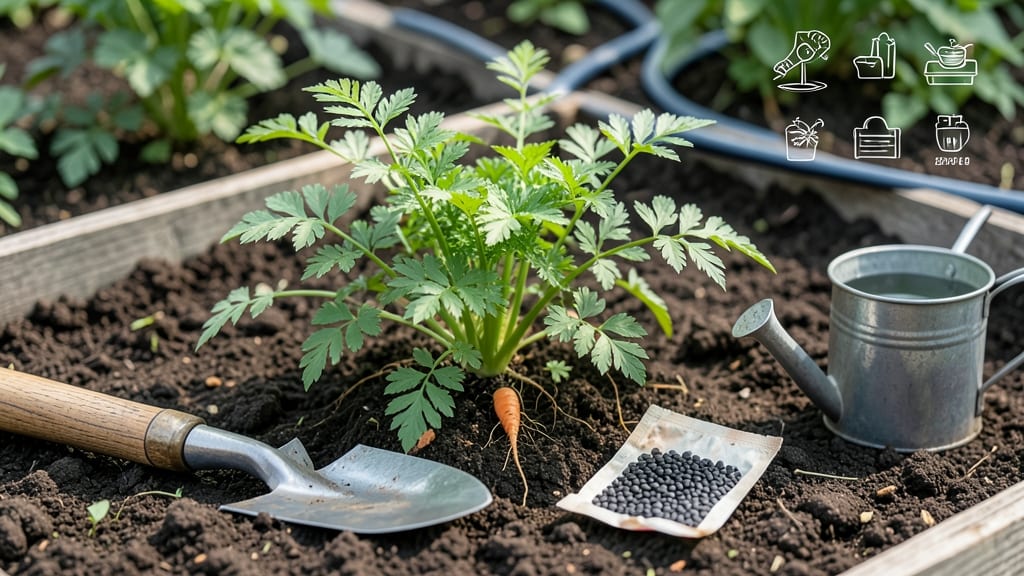
Planting carrots in Florida might seem tricky—after all, the heat can turn those crisp roots into bitter, stringy messes if you're not careful. But here's the secret: timing is everything, and the fall season gives you the perfect sweet spot for growing 🥕 that are tender and delicious.
While Florida's frost-free winters mean you can grow carrots year-round, the key to success lies in cooler weather. When you plant between September and March, you avoid the extreme summer heat that causes carrots to bolt or develop tough, woody textures.
This window aligns perfectly with Florida's 9a-11 climate zones, where temperatures stay mild enough for ideal growth.
What makes this timing so special? It's not just about avoiding heat—it's about giving your carrots the right conditions to develop their signature sweetness. In the fall, soil stays warm enough to encourage root growth while nights cool down, creating the perfect balance.
Plus, you'll have a steady harvest from November through May, depending on when you plant.
Ready to grow carrots that taste like they came straight from a farmer's market? I'll walk you through the best planting strategies, soil prep, and even how to extend your harvest season so you can enjoy fresh carrots almost year-round. Let's get those roots growing!
Best planting times for carrots in Florida’s climate zones
Florida’s diverse climate zones—from the frost-prone North to the frost-free South—create unique challenges for carrot growers. Unlike northern states, Florida’s long growing season means you can grow carrots almost year-round, but timing still matters to avoid heat stress or poor soil conditions.
The key is planting when soil temperatures stay below 80°F and avoiding summer’s brutal heat.
In North Florida (Zones 8a-9a), where occasional light frosts can occur in January, your best window is September through March. This avoids both summer heat and winter chills.
Meanwhile, Central Florida (Zones 9b-10a) and South Florida (Zones 10b-11) can plant year-round, but fall and winter crops thrive best, yielding sweeter, straighter roots.
Here’s how to match your planting schedule to Florida’s zones for optimal carrot growth:
| Zone | Best Planting Months | Soil Temp Ideal | Avoid Planting | Harvest Window |
|---|---|---|---|---|
| North Florida (8a-9a) | September–March | 60–75°F | April–August (heat stress) | November–May |
| Central Florida (9b-10a) | August–March | 65–78°F | May–July (extreme heat) | October–June |
| South Florida (10b-11) | Year-round (best: Sept–Feb) | 70–80°F | None (but yields suffer in summer) | October–April (peak sweetness) |
For North Florida, aim to plant carrot seeds in early September for a fall harvest before winter chills set in. In Central and South Florida, you can push it slightly later—late August—but watch for soil moisture drying out too fast.
The goal is to give carrots 60–80 days of cool weather to mature before summer heat arrives.
Pro tip: Use a soil thermometer to check temperatures before planting. Carrots thrive when soil stays between 60°F and 75°F. If your soil hits 80°F+, your carrots will bolt (go to seed) or develop woody, bitter roots.
In South Florida, this means avoiding April–July plantings unless you’re using shade cloth.
Another critical factor is day length. Carrots prefer shorter days, which is why fall and winter plantings yield the best results. In North Florida, shorter days in October–February signal carrots to focus on root growth rather than flowering.
If you plant in spring, expect smaller, less flavorful roots due to longer daylight hours.
For container gardening, which is popular in Florida’s urban areas, follow the same timing rules but choose shorter varieties like ‘Paris Market’ or ‘Little Finger’ to prevent overcrowding. Containers also dry out faster, so water consistently—especially in South Florida’s dry winters.
Finally, don’t overlook microclimates. Coastal areas in South Florida stay warmer longer, while inland regions may experience cooler nights. Adjust your planting schedule based on your specific location—even within the same city, a backyard might be 5°F cooler than a nearby urban heat island.
By aligning your planting with Florida’s climate zones and soil conditions, you’ll enjoy a steady supply of crisp, sweet carrots from fall through spring—without the headaches of summer bolting or winter frost damage. 🥕
How to extend your carrot harvest season in Florida
Florida’s mild winters and warm springs make it possible to grow carrots almost year-round, but the key to a continuous harvest lies in strategic planning. By using succession planting, shade protection, and cold-hardy varieties, you can enjoy fresh carrots from fall through early summer.
The secret? Stagger your plantings every 3-4 weeks starting in late summer, and use shade cloth during peak heat to prevent bolting.
For example, I plant my first batch in early September for a fall harvest, followed by another in late October for winter, and a final one in February to enjoy spring carrots.
This spacing ensures a steady supply without overwhelming your garden at once. Plus, choosing short-day varieties like 'Paris Market' or 'Danvers' helps them mature faster in Florida’s shorter winter days.
🌱
- 1. Succession Planting: Sow seeds every 3-4 weeks from September to February for continuous harvests. Start with 10-15 seeds per planting to test soil conditions.
- 2. Shade Cloth: Use 30-50% shade cloth during April-May to lower soil temps by 10-15°F, preventing bolting. Secure cloth 2-3 feet above plants for airflow.
- 3. Cold-Hardy Varieties: Plant 'Chantenay' or 'Nantes' types—they tolerate 30-35°F temps better than standard varieties. These grow slower but store well in cool, dark conditions.
-
4. Row Covers: Use floating row covers in winter to protect from light frosts (common in North Florida
- 5. Container Gardening: Grow carrots in deep pots (12+ inches) filled with sandy loam mix. Ideal for balconies or patios—move containers to shadier spots during summer.
Another trick I swear by is intercropping carrots with fast-growing companions like radishes or lettuce. Radishes mature in 30 days, giving you an early harvest while carrots take their time.
Lettuce also thrives in the same conditions but doesn’t compete for space—just be sure to harvest lettuce before it bolts in spring.
If you’re aiming for a year-round supply, consider growing two crops simultaneously: one in fall-winter and another in spring. For spring plantings, start seeds indoors in late February and transplant outdoors in March once soil temps drop below 80°F.
This two-tier approach ensures you’re never without fresh carrots, even during Florida’s brief summer slowdown.
Finally, don’t overlook storage solutions to extend your harvest’s shelf life. Carrots store best in cool, humid conditions—wrap them in damp sand or sawdust and keep them in a dark root cellar or refrigerator.
With these strategies, you’ll enjoy homegrown carrots from September through June, making your garden the envy of the neighborhood!
☀️