
Plants
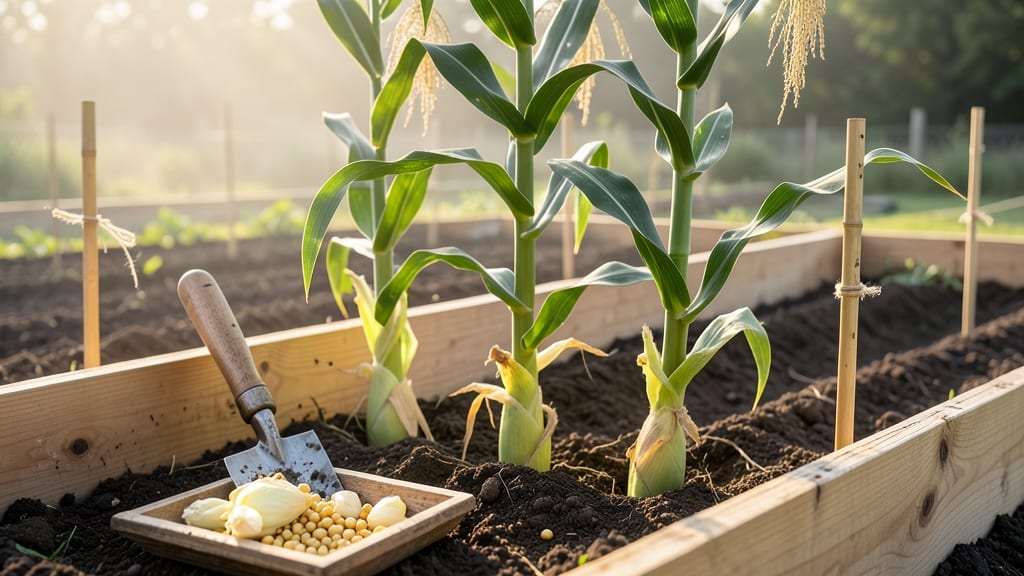
Planting corn in Illinois at the wrong time can turn your 🌽 dreams into a frost-killed disappointment—but getting the timing right means the difference between a garden full of towering stalks and a wasted seed packet.
With Illinois' 5b-6b climate, you've got just a 3-week window between mid-April and mid-May to plant for that perfect harvest between late July and October. One week too early risks frost damage, while planting too late means your corn might never mature before the first fall chill.
I'll walk you through exactly when to plant in your specific region—whether you're in northern Illinois where frosts linger later, or southern Illinois where the growing season stretches just a bit longer. You'll also discover how soil temperature (not just frost dates) determines your corn's success.
Ready to turn your corn patch into a bountiful harvest? Let's break down the science behind Illinois planting times so you can grow corn that reaches its full potential—no guesswork required.
Ideal Illinois corn planting dates by region and frost timeline
Getting your corn in the ground at the right time is everything in Illinois. The last spring frost typically arrives between April 15 and May 1, but this varies by region.
Northern Illinois (USDA zones 5a-5b) has a longer frost season than southern Illinois (zones 6a-6b), so timing matters even within the state.
For most of Illinois, mid-April to mid-May is the sweet spot. However, if you're in northern Illinois, wait until after May 1 to avoid frost damage. Southern Illinois gardeners can start as early as late March in microclimates with early warming.
Use the NOAA frost calculator for your exact location—just plug in your ZIP code to find your average last frost date. This tool accounts for Illinois' microclimates, like river valleys or urban heat islands, which can shift frost dates by 1-2 weeks.
Here’s how to calculate your planting window: Subtract 2 weeks from your last frost date for sweet corn (faster-maturing varieties) and 3 weeks for field corn (longer season). For example, if frost ends April 25, plant sweet corn by April 11 and field corn by April 4.
| Region | USDA Zone | Last Frost Date | Ideal Planting Window | Soil Temp Requirement |
|---|---|---|---|---|
| Northern Illinois | 5a-5b | April 25 - May 10 | May 1 - May 15 | 55°F+ (13°C+) |
| Central Illinois | 5b-6a | April 15 - April 25 | April 15 - May 1 | 50°F+ (10°C+) |
| Southern Illinois | 6a-6b | April 1 - April 15 | Late March - April 15 | 48°F+ (9°C+) |
🌽 Key: Soil temperature must stay above listed thresholds for 7+ days before planting.
Pro tip: Use a soil thermometer to confirm temperatures. Corn seeds won’t germinate below 50°F (10°C), and cooler soils slow growth. If your soil is still chilly, opt for early-maturing varieties like Silver Queen (65 days) or Peaches and Cream (70 days).
For field corn (used for animal feed or grain), push planting to late April or early May—these varieties need 90-120 days to mature, so they require a longer growing season. Southern Illinois gardeners can sometimes squeeze in a second planting in early June for late-summer harvests.
Remember: Illinois’ summer heat can accelerate growth, but drought stress is a real risk. Always plant when you have consistent moisture in the forecast. If a dry spell hits, prioritize watering during tasseling (6-8 weeks after planting), when the plant needs the most hydration.
Finally, keep an eye on weather forecasts in late April. If a late frost warning pops up, cover young plants with frost cloth or row covers until they’re at least 6 inches tall. This simple step can save your crop from nighttime freezing.
Sweet corn vs. field corn: planting time differences and variety-specific tips
Not all corn is created equal—sweet corn and field corn have different planting timelines and care needs. In Illinois, sweet corn (like Silver Queen) must go in the ground 2-3 weeks earlier than dent corn (like Pioneer 39T53) to mature before fall frost.
Sweet corn's shorter growing season demands precision, while field corn can handle later plantings due to its longer maturity window.
For sweet corn varieties, aim to plant between mid-April and early May in most of Illinois. In northern Illinois (USDA Zone 5b), wait until soil temperatures hit 50°F+—use a soil thermometer to confirm.
Southern Illinois (Zone 6b) can start slightly earlier, but avoid planting when nighttime temps dip below 55°F, as this stunts germination.
| Variety Type | Ideal Planting Window | Days to Maturity | Soil Temp Requirement |
|---|---|---|---|
| Sweet Corn (e.g., Silver Queen) | Mid-April to early May | 60-90 days | 50°F+ |
| Field Corn (e.g., Pioneer 39T53) | Late April to mid-May | 90-120 days | 55°F+ |
| Popcorn (e.g., Golden Bantam) | Early May to early June | 80-100 days | 52°F+ |
Microclimates in Illinois can shift planting windows by 1-2 weeks. For example, urban areas like Chicago may experience later frosts, while rural southern Illinois can plant earlier.
Use NOAA’s frost maps to adjust: enter your ZIP code to find your last-frost date, then plant 2 weeks after for safety.
Pro tip: Succession planting works well for sweet corn. Stagger plantings every 2 weeks through early June to extend your harvest season. Field corn, however, benefits from a single late-April to early-May planting to ensure uniform maturity.
Always check the back of your seed packet for variety-specific recommendations—some early-maturing hybrids (like Ambrosia) can handle June plantings in southern Illinois.
One common mistake? Planting too deep. Corn seeds should sit 1-1.5 inches deep—deeper plantings delay germination. Use a seed planter or mark rows with a stick to maintain consistency. After planting, keep soil moist but not soggy; corn seeds need consistent moisture to sprout within 7-14 days.
For organic growers, add composted manure or a balanced fertilizer (10-10-10) at planting. Side-dress with nitrogen-rich fertilizer when plants reach knee-high (about 6 weeks after planting) to boost ear development. Mulch with straw to retain moisture and suppress weeds—critical in Illinois’ variable rainfall patterns.