
Plants
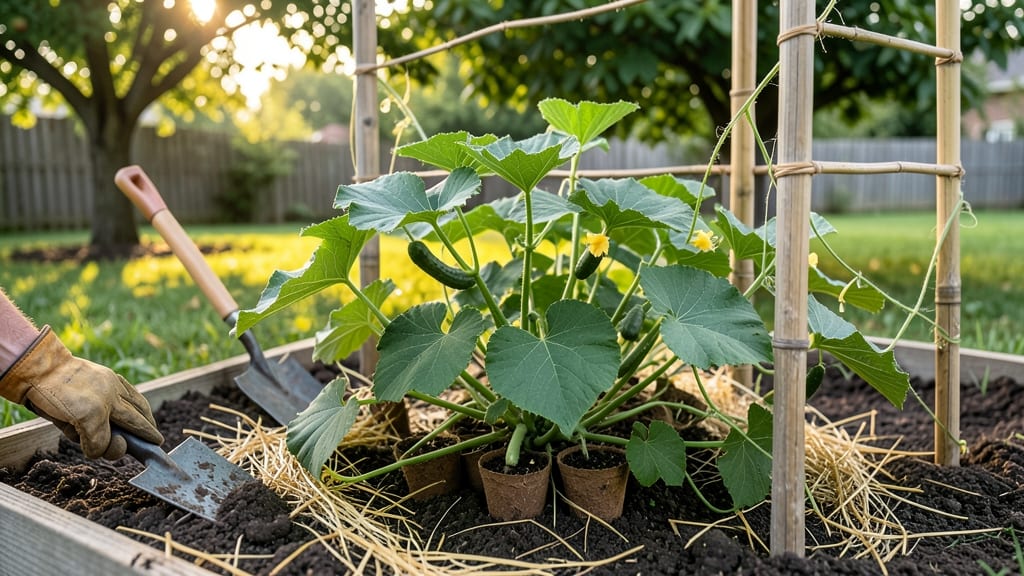
Planting cucumbers in Michigan isn’t just about grabbing seeds and sticking them in the dirt—it’s about catching that narrow window between frost and scorching heat that determines whether your 🥒 vines thrive or fizzle.
With Michigan’s USDA Zones 4-6 and unpredictable spring weather, timing is everything. Get it wrong, and you’ll either lose plants to late frosts or watch them bolt in summer’s first heatwave. But get it right, and you’re rewarded with crisp, homegrown cucumbers straight from your garden.
I’ve grown cucumbers here for years, and the key is understanding when the soil warms—not just the calendar. We’ll break down the exact frost-free dates for Detroit, Grand Rapids, and Traverse City, plus how to adjust for urban heat islands and rural chill.
Ready to master Michigan’s cucumber-growing secrets? Let’s dive into the frost-free timeline that’ll turn your garden into a 🥒 powerhouse this summer.
Michigan cucumber planting timeline: frost-free dates by USDA Zone
Michigan’s USDA Zones 4-6 create unique challenges for cucumber growers. Unlike heat-loving southern varieties, cucumbers need warm soil (at least 60°F) and consistent temperatures to thrive. Planting too early risks frost damage, while waiting too long shortens the harvest window—especially in Michigan’s short growing season.
Most Michigan gardeners aim to plant cucumbers 2-3 weeks after the last frost date, but this varies dramatically across the state. For example, Traverse City (Zone 5b) has an average last frost around May 15, while Detroit (Zone 6a) typically sees frost-free conditions by May 1.
Understanding these regional differences is key to avoiding failed crops.
Cucumbers are heat-sensitive seedlings that won’t tolerate cold soil. If you plant too soon, they’ll linger in the ground and become stunted. Conversely, waiting until June might mean overripe cucumbers by late summer. The sweet spot? Soil temperatures above 60°F and air temperatures consistently above 55°F.
| Region | USDA Zone | Avg. Last Frost | Ideal Planting Window | Harvest Window |
|---|---|---|---|---|
| Upper Peninsula (Marquette, Houghton) | Zone 4b | May 25–June 5 | June 10–20 (after soil warms) | Late July–September |
| Northern Lower Peninsula (Traverse City, Petoskey) | Zone 5b | May 10–20 | May 25–June 5 | Early July–September |
| Central Michigan (Lansing, Grand Rapids) | Zone 5b/6a | May 5–15 | May 20–June 1 | Late June–October |
| Southeast Michigan (Detroit, Ann Arbor) | Zone 6a | April 25–May 10 | May 15–25 | June–October |
| Southwest Michigan (Kalamazoo, Battle Creek) | Zone 6a | April 20–May 5 | May 10–20 | June–October |
For gardeners in Zone 4b (Upper Peninsula), the window is especially tight. Cucumbers planted after June 10 may not mature before the first frost in September or October. To maximize yields, consider starting seeds indoors 3-4 weeks before the last frost and transplanting hardened-off seedlings after soil warms.
In Zones 5b-6a, where frost dates are earlier, you can direct-sow seeds after Memorial Day (around May 25) if nighttime temperatures stay above 50°F. However, I always recommend waiting until June 1 for extra insurance, especially for heat-sensitive varieties like Lemon Cucumber.
Pro tip: Use a soil thermometer to confirm temperatures. Cucumbers won’t germinate well in soil below 60°F, even if the air is warm. If your soil is still cold, try black plastic mulch or row covers to warm it faster.
This is especially critical in northern Michigan, where cool springs delay planting.
Another key factor is day length. Cucumbers need longer daylight hours (14+ hours) to set fruit. In Michigan, this typically starts in late June, which is why early plantings often yield poorly.
If you plant too soon, your cucumbers might bolt (flower prematurely) or produce small, bitter fruit.
For a second harvest, try succession planting in late June or early July. Choose fast-maturing varieties (like ‘Straight Eight’, which takes 55-60 days) to ensure a fall crop before the first frost. In Zone 6a, this can extend your harvest into October.
Remember: Michigan’s microclimates matter. A garden in urban Detroit might be 5°F warmer than one in rural farmland due to the urban heat island effect. Adjust your planting dates accordingly—urban areas can often plant 1-2 weeks earlier safely.
How to adjust planting for Michigan’s unpredictable weather patterns
Michigan’s unpredictable spring frosts can devastate tender cucumber seedlings overnight. To beat the odds, I’ve learned to use season-extending tactics that turn early-season risks into late-summer rewards. The key is combining soil warming, protective covers, and succession planting to create a buffer against Mother Nature’s whims.
First, I always test my soil temperature before planting. Cucumbers need soil that’s at least 60°F (15°C)—any cooler, and their roots struggle to absorb nutrients. In Michigan’s USDA Zones 4-6, this often means waiting until late May or early June, even if the air feels warm.
I use a soil thermometer for accuracy, because air temperature is a poor predictor of ground warmth.
- 1. Black plastic mulch: Warms soil 5-10°F faster than bare ground. Lay it down 2-3 weeks before planting to jumpstart the season.
- 2. Row covers: Use floating row covers (like Reemay) to protect seedlings from late frosts (down to 28°F/-2°C). Remove when flowers appear to allow pollination.
- 3. Cold-hardy varieties: Choose 'Northern Pickling' or 'Sweet Success', which tolerate cooler soils better than standard types.
- 4. Succession planting: Sow new seeds every 2 weeks from June to July. This ensures a continuous harvest even if early plantings fail.
- 5. Trellising: Grow cucumbers on trellises or cages to improve air circulation, reducing disease risk from Michigan’s humid summers.
For gardeners in northern Michigan (like Traverse City), I recommend starting cucumbers indoors in late April and transplanting after the Mother’s Day weekend (a local benchmark). Use biodegradable pots to avoid root disturbance.
In southern Michigan (Detroit area), you can often plant directly outdoors by Memorial Day, but always have row covers ready.
Heat waves are another Michigan challenge. When temperatures exceed 90°F (32°C), cucumbers can stop flowering and drop blooms. To combat this, I shade young plants with 30% shade cloth during peak afternoon sun. Mulching with straw or grass clippings also helps retain moisture and keep roots cool.
I’ve found that drip irrigation (watering at the base) reduces stress better than overhead sprinklers, which can spread fungal diseases like powdery mildew.
Finally, don’t overlook the power of microclimates. A south-facing wall or black mulch can create a 5°F warmer zone than the rest of your garden. I always plant my heat-loving cucumbers near these warm spots.
If you’re in a cooler microclimate, opt for parthenocarpic varieties (like 'Excelsior') that produce fruit without pollination—ideal for greenhouses or protected areas.
With these adjustments, I’ve successfully grown cucumbers in Michigan for 10+ years, even in years with late May frosts or July heatwaves. The secret? Flexibility and layered protection. Start small, monitor your plants closely, and be ready to adapt—because in Michigan, the only constant is change. 🌱