
Plants
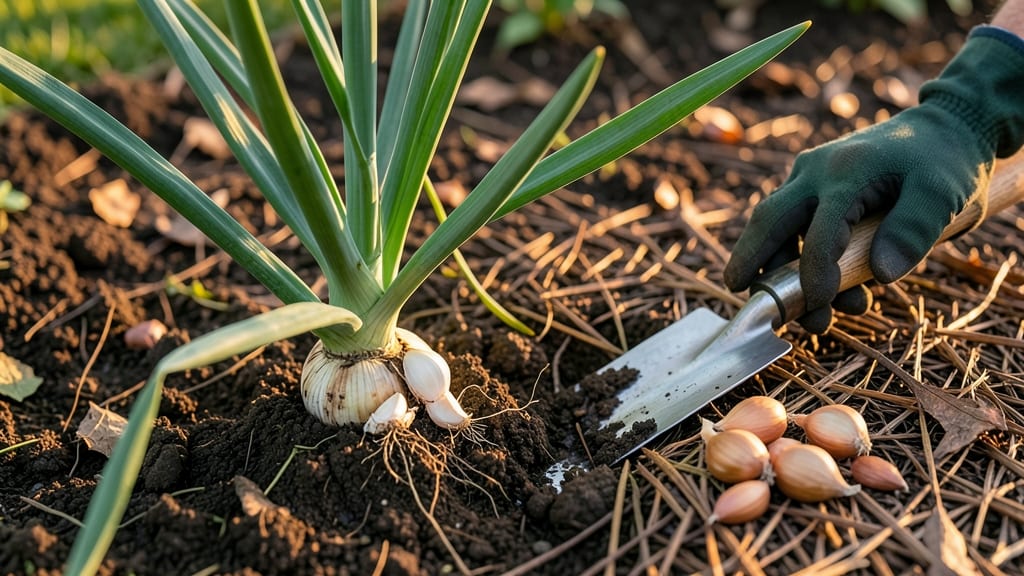
Planting garlic in Minnesota isn’t just about timing—it’s about outsmarting the 4a-5b zone’s early freezes and short growing season. Miss the mid-fall window, and your 🧄 crop could rot before it even starts.
But get it right, and you’ll harvest plump bulbs by late summer—something many gardeners struggle with in our unpredictable climate.
Most Minnesota gardeners swear by planting garlic between September and October, but the exact date depends on your last frost and soil conditions. Too early, and the cloves might sprout before winter; too late, and they won’t establish roots before the ground freezes.
I’ll break down the ideal window for your specific zone and how to adjust if frost sneaks up sooner than expected.
What sets successful Minnesota garlic growers apart isn’t just when they plant—it’s how they prepare the soil and protect their crop. From mulching strategies to choosing the right variety for cold climates, small tweaks can mean the difference between a meager harvest and a bountiful one.
Let’s dive into the exact steps to plant garlic for maximum yield in Minnesota’s tough conditions.
Whether you’re a seasoned gardener or a beginner eager to try 🧄, this guide will give you the confidence to plant at the perfect moment. We’ll cover everything from soil temperature checks to frost-proofing tips, so you can look forward to harvesting garlic by next summer—without the guesswork.
Minnesota garlic planting dates by hardiness zone (USDA 3-5)
Garlic thrives in Minnesota’s cold climate when planted at the right time. The best window is mid-fall, but exact dates vary by USDA zone. Plant too early, and cloves rot; too late, and they won’t establish roots before winter.
Here’s how to nail your timing for zones 3, 4, and 5.
Minnesota’s unpredictable frost dates make garlic planting tricky. Most gardeners aim for 4-6 weeks before ground freeze, but early frosts can shift this window. For example, zone 3 (northern MN) has a shorter margin than zone 5 (southern MN).
Use these calendar guidelines as a starting point, but always check your local frost forecast. A sudden cold snap can turn a perfect planting day into a failed crop. Adjust based on soil temperature—40-50°F is ideal for root establishment.
For zone 3 gardeners, aim for September 15-October 5. If you miss this window, consider spring planting in early April, but yields will be smaller. Use hardneck varieties like ‘Music’ or ‘German White’—they handle Minnesota’s cold better than softnecks.
In zone 4, stretch your window to September 25-October 15. This zone offers flexibility, but don’t wait past October 15. Soil should be workable but not frozen. A simple test: push a screwdriver into the ground—if it goes in easily, it’s ready.
Zone 5 gardeners have the longest window: October 1-15. Planting in early October gives garlic time to establish roots before winter. If you’re in southern MN (zone 5b), you might even squeeze in a late planting by November 1, but only if soil temps stay above freezing.
Adjust for early/late frosts by monitoring weather forecasts. If a hard freeze is predicted before planting, delay until conditions improve. Use row covers or mulch heavily to protect young plants if frost threatens after planting.
Pro tip: Plant smaller cloves (not the biggest ones) for better yields. Break apart bulbs and use cloves from the outer rings. Space them 4 inches apart in rows 12 inches apart for optimal airflow and bulb development.
After planting, mulch with straw (4-6 inches) to insulate roots. This prevents heaving (when soil freezes and pushes bulbs out) and keeps soil temps stable. Remove mulch in early spring to allow soil to warm.
Remember: Garlic needs cold to form bulbs. Without proper vernalization (chilling), you’ll get skinny, weak stems and poor yields. Minnesota’s winters provide this naturally—just get the timing right!
Minnesota garlic planting dates by hardiness zone (USDA 3-5)
Garlic thrives in Minnesota’s USDA zones 3-5, but the planting window shifts dramatically depending on your exact location. In zone 3 (northern MN), you’ll need to plant earlier to avoid early frosts, while zone 5 (southern MN) offers a slightly longer window.
The golden rule? Plant 4-6 weeks before the ground freezes—typically between mid-September and mid-October.
Minnesota’s first hard frost usually hits between mid-October and early November, but this can vary by 5-10 days depending on the year. For example, Duluth (zone 3b) may see frost by October 15, while Rochester (zone 4b) might hold off until October 25.
Always check your local last frost date as a backup.
| Zone | Ideal Planting Window | Soil Temp Goal | Frost Risk |
|---|---|---|---|
| 3a-3b (North MN) | September 15 - October 10 | 45-50°F | High (Oct 10-20) |
| 4a-4b (Central MN) | September 25 - October 15 | 40-45°F | Moderate (Oct 15-25) |
| 5a-5b (South MN) | October 1 - October 20 | 35-40°F | Low (Oct 25-Nov 5) |
If you miss the fall window, don’t panic—spring planting is possible but riskier. Plant in early April when soil temps hit 40°F, but expect smaller bulbs. Spring garlic also faces higher disease pressure from Minnesota’s damp springs.
For best results, stick to fall planting and use hardneck varieties, which handle cold better than softnecks.
Pro tip: Use a soil thermometer to confirm readiness. Garlic cloves need soil temps between 40-50°F to sprout properly. If temps are too warm (60°F+), cloves may rot before winter. Mulch heavily with straw or leaves after planting to insulate bulbs and prevent frost heave.
Minnesota’s short growing season means garlic needs 240-300 days to mature. Planting too late in fall can delay harvest into late August, cutting your season short. Aim for early October in most zones to balance frost risk and harvest timing.
For extra insurance, stagger plantings in two-week intervals across your ideal window. This spreads out harvest times and reduces risk if an early frost hits part of your crop.
Just remember: hardneck varieties (like ‘Music’ or ‘German White’) are your best bet for Minnesota’s climate—they thrive in cold and produce flavorful scapes too!