
Plants
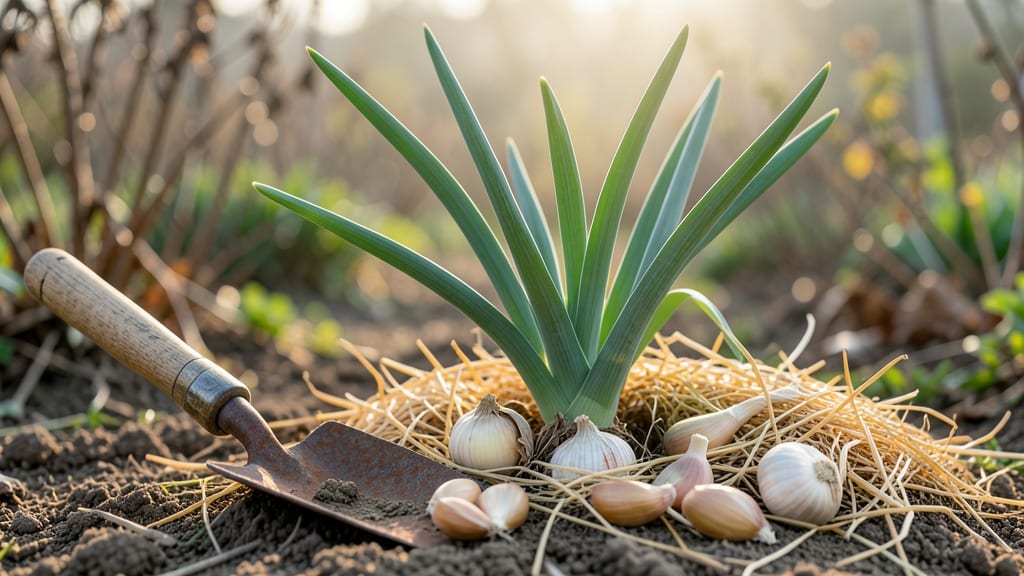
Planting garlic in Alabama at the wrong time can mean the difference between plump, flavorful bulbs and a disappointing harvest. The key to success lies in timing it right—especially in zones 7b-8a—so your 🧄 thrives before summer’s heat arrives.
Fall is by far the best season to plant garlic in Alabama, with October and November offering the perfect window. This timing allows the cloves to establish strong roots before winter dormancy, setting the stage for robust growth when spring arrives.
Skipping this window could leave your garlic struggling to mature before the heat sets in.
But why does timing matter so much? Alabama’s mild winters and long growing season mean garlic planted too late may bolt early, while planting too soon risks frost damage.
I’ll walk you through the exact steps to prepare your soil, select the right varieties, and adjust for your specific region—whether you’re in North or South Alabama.
From soil prep to frost protection, I’ve got the game-changer tips you need to grow garlic that’s not just surviving, but thriving. Let’s get your garden ready for a harvest of bold, healthy garlic come May or June.
Best fall planting months in Alabama for maximum garlic bulb size
Alabama gardeners know that fall-planted garlic thrives in the state’s mild winters, but timing is critical. The ideal window is mid-October through November, when soil temperatures drop below 70°F but before hard freezes. This gives cloves time to root before winter dormancy, ensuring larger bulbs by harvest season.
In North Alabama (USDA zones 6b-7a), aim for planting by early November to avoid early freezes. South Alabama (zones 7b-8a) has more flexibility, allowing plantings through mid-November. Always check your local average first frost date—planting 4-6 weeks before ensures roots establish before winter.
Soil temperature is your best guide. Use a soil thermometer to confirm temperatures are consistently below 60°F. If you miss fall, a February planting works for a smaller harvest, but bulbs won’t be as robust.
Alabama’s microclimates matter. Coastal areas like Mobile can plant later, while inland regions (e.g., Huntsville) need earlier plantings. Adjust based on elevation—higher areas freeze sooner.
For hardneck vs. softneck varieties, hardnecks (like 'Music' or 'German White') are better for Alabama’s climate. They thrive in colder winters, while softnecks (like 'Silverskin') may struggle with heat stress if planted too late.
Pro tip: If you’re unsure about timing, use row covers to extend the season. They protect young plants from unexpected freezes while allowing sunlight for growth.
🌱
| Region | USDA Zone | Ideal Planting Window | Soil Temp Threshold | Notes |
|---|---|---|---|---|
| North Alabama | 6b-7a | Mid-October–Early November | Below 60°F | Early freezes common; use row covers. |
| Central Alabama | 7b | Late October–Mid-November | Below 65°F | Flexible timing; hardnecks preferred. |
| South Alabama | 8a | Late October–Early December | Below 70°F | Later plantings possible; watch for heat stress. |
Missed the fall window? Don’t panic. A February planting in Alabama still yields edible garlic, though bulbs will be smaller and less flavorful. This works best in South Alabama, where winters are milder. For North Alabama, stick to fall for best results.
Always choose large, firm cloves from organic sources. Smaller cloves produce smaller bulbs, and diseased cloves spread rot. Soak cloves in neem oil solution (1 tsp neem oil per gallon of water) for 30 minutes before planting to deter pests like garlic bulb fly.
Finally, mark your calendar for harvest season—typically late May to early June in Alabama. Look for brown lower leaves and firm bulbs to know it’s time to dig.
✂️
How to prepare Alabama soil and garlic cloves for fall planting success
Preparing your Alabama garden for garlic starts with soil testing and clove selection. Since Alabama’s USDA zones 7b-8a have heavy clay soils in many areas, amending your beds is critical for preventing rot and ensuring strong root growth.
I always test my soil’s pH level—garlic thrives in slightly acidic soil between 6.0 and 7.0.
For clove selection, Alabama’s mild winters favor hardneck varieties like ‘Music’ or ‘German White’, which produce larger bulbs and scapes. Softneck varieties like ‘Silverskin’ work too but may struggle with summer heat if planted too early.
I source my cloves from local nurseries in early September to give them time to cure and dry before planting.
Soil preparation takes 4-6 weeks before planting. Work in 2-3 inches of compost or well-rotted manure to improve drainage, and mix in a balanced fertilizer (10-10-10) at planting time. Alabama’s clay soils can compact easily, so I add coarse sand or perlite to create pockets for root expansion.
🌱 Alabama Garlic Soil & Clove Prep Checklist
- ☑️ Test soil pH (6.0-7.0) 4 weeks before planting
- ☑️ Amend with 2" compost + 1 tbsp 10-10-10 fertilizer per sq ft
- ☑️ Choose large, firm cloves (1.5"+ diameter)
- ☑️ Soak cloves in 1% hydrogen peroxide for 10 mins to prevent rot
- ☑️ Plant 4-6 weeks before first frost (mid-October in most areas)
- ☑️ Space rows 12" apart for easy harvesting
One trick I’ve learned from Alabama gardeners is to soak cloves in a 1% hydrogen peroxide solution for 10 minutes before planting. This disinfects the cloves and prevents fungal diseases like white rot, which thrives in Alabama’s humid winters.
After soaking, let them dry completely in the sun for 1-2 hours to avoid waterlogged soil.
When planting, position cloves with the pointed end up, about 2 inches deep and 4-6 inches apart in rows. I mark my rows with stakes to avoid disturbing the soil later.
In North Alabama’s cooler zones, you can plant as late as early December, but South Alabama’s warmer winters mean you should finish by mid-November to avoid winter sprouting.
After planting, I apply a 2-3 inch layer of straw mulch to insulate the soil and retain moisture. This is especially important in Alabama’s unpredictable winters, where temperatures can swing from freezing to 60°F in a week.
The mulch also suppresses weeds, which compete with garlic for nutrients during early spring growth.