
Plants
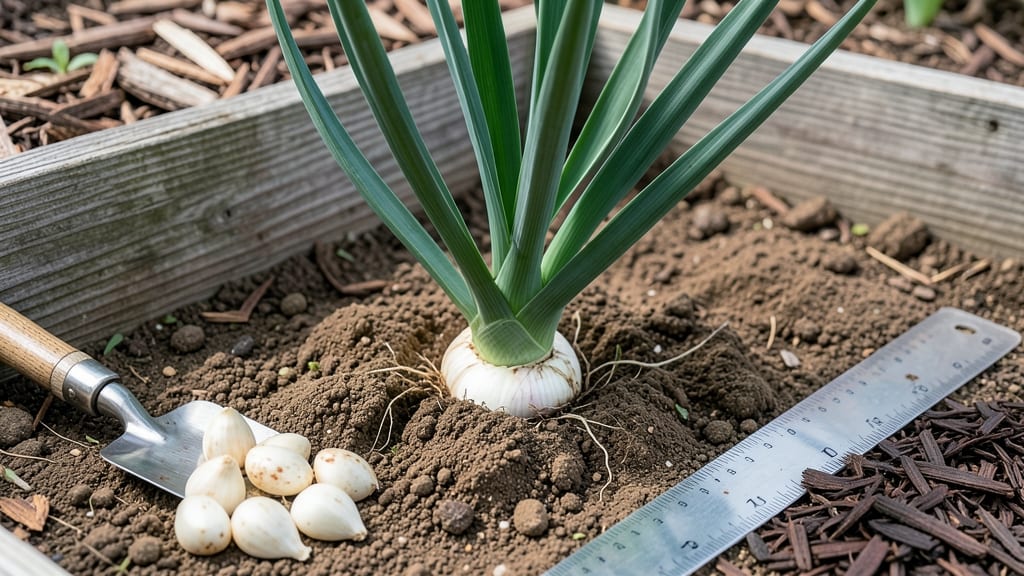
Planting garlic in Rhode Island at the wrong time can mean the difference between plump, flavorful bulbs and wasted effort. The key to success lies in timing it just right—4 to 6 weeks before the first frost, when the soil is cool but still workable.
For USDA Zone 6a gardeners, that window typically opens in late October and closes by mid-November. But here’s the catch: coastal areas near Narragansett Bay stay warmer longer, while inland spots freeze faster.
Missing this window risks stunted growth or frost damage before your 🧄 garlic even gets a chance to establish roots.
I’ve grown garlic in Rhode Island for years, and I can tell you—getting the timing right isn’t just about the calendar. It’s about understanding your microclimate, prepping the soil, and choosing the right varieties.
Let me walk you through the exact steps to plant garlic this fall so you’ll be harvesting bold, hardneck bulbs next summer.
Whether you’re a first-time gardener or a seasoned pro, these insights will help you avoid common mistakes and set your garlic up for success. Ready to dig in?
Rhode Island’s ideal fall planting window for garlic
Rhode Island’s USDA Zone 6a climate creates a unique challenge for garlic growers. The 4-6 week pre-frost window is critical—plant too early, and your cloves may sprout and get damaged by early cold snaps. Plant too late, and they won’t establish roots before winter sets in.
For most of the state, this window opens in late October and closes by mid-November, but coastal areas have a slightly extended window.
Hardneck varieties like 'German White' and 'Music' thrive in Rhode Island’s climate because they’re cold-hardy and produce bold, flavorful bulbs. These varieties need that cool fall soil to trigger root development, but they also need time to establish before the ground freezes solid.
The key is planting when soil temperatures drop to 40-50°F—warm enough for root growth but cool enough to prevent premature sprouting.
Here’s the science behind it: garlic cloves need 40-60 days to establish roots before winter dormancy. If planted too early, they’ll sprout and get damaged by early frosts. If planted too late, they won’t have enough time to root before the ground freezes.
Rhode Island’s average first frost date is November 15, but coastal areas like Narragansett and Newport often see frost 1-2 weeks later.
| Planting Zone | Ideal Planting Window | Soil Temp Range | Key Varieties |
|---|---|---|---|
| Coastal (Zone 6a+) | Late October - Early November | 40-50°F | 'German White', 'Music', 'Silverskin' |
| Inland (Zone 6a) | Mid-October - Late October | 45-55°F | 'German White', 'Chesnok Red', 'Artichoke' |
| High Elevation (e.g., Glocester) | Early October - Mid-October | 50-60°F | 'Music', 'German Red', 'Creole' |
To pinpoint your exact planting window, check Rhode Island’s frost-free date maps from the National Oceanic and Atmospheric Administration (NOAA). Coastal areas like Providence and Westerly often have 10-14 days longer before frost than inland spots like Burlington or North Kingstown.
For example, if your area’s average first frost is November 1, aim to plant by October 10-15 to give your garlic 4-6 weeks to root.
I always test my soil temperature with a soil thermometer before planting. The ideal range is 40-50°F—any warmer, and your cloves may sprout too early. Any colder, and root growth slows dramatically.
If you’re in a coastal microclimate, you might push planting to early November, but inland gardeners should start by mid-October to avoid frost risks.
Hardneck varieties like 'German White' are my top recommendation for Rhode Island because they handle our cold winters and produce large, hardneck bulbs perfect for roasting or braiding. These varieties also form scape shoots in late spring, which you can harvest for flavorful garlic greens without sacrificing bulb size.
For softer-necked varieties like 'Silverskin', plant slightly earlier in late September since they’re less cold-tolerant.
One common mistake I see is planting garlic too shallow or too deep. Cloves should go 2 inches deep, with the pointed end up. Space them 4-6 inches apart in rows 12 inches apart to allow for bulb expansion.
If you’re planting in heavy clay soil (common in inland RI), mix in compost or sand to improve drainage. Garlic hates soggy roots, so well-draining soil is a must.
After planting, cover the bed with 4-6 inches of straw mulch to insulate the soil and protect cloves from freeze-thaw cycles. This mulch will also suppress weeds and retain moisture.
In coastal areas, you might remove some mulch in late winter to let sunlight warm the soil, but inland gardeners can leave it until early spring to delay warming.
Remember, the goal is to give your garlic roots before frost and leaves after frost. With the right timing, you’ll be harvesting plump, flavorful bulbs next July or August—just in time for summer cooking! 🧄
How to adjust planting dates for Rhode Island’s coastal vs. inland microclimates
Rhode Island’s coastal areas enjoy a moderating effect from Narragansett Bay that delays frost by 1-2 weeks compared to inland regions. This means gardeners near the coast can plant garlic 2 weeks later than those in the interior.
For example, while inland areas should plant by mid-October, coastal gardeners can safely wait until early November—just 4-6 weeks before the first frost.
This microclimate difference creates a 10-14 day planting window shift between Providence and Burlington. The bay’s warmth extends the growing season near the shore, but inland areas face earlier freezes. Even within 10 miles, you might see a 7-day difference in frost dates, so local knowledge matters.
| Region | Planting Window | Avg. First Frost | Soil Temp Goal |
|---|---|---|---|
| Coastal (Narragansett, Newport) | Week 1-2 of October | November 22 | 40-50°F |
| Inland (Providence, Warwick) | Week 3-4 of October | November 15 | 45-55°F |
| High Elevation (Glocester, Foster) | Late September | November 10 | 50-60°F |
To find your exact frost dates, use the NOAA Climate Data portal or Rhode Island’s Frost-Free Date Calculator. These tools show 30-year averages for your specific ZIP code. For example, Westerly typically has frost on November 25, while North Kingstown sees it by November 10.
Adjust your planting date by subtracting 4-6 weeks from your area’s frost date.
Soil temperature is just as critical as frost dates. Use a soil thermometer to confirm readings between 40-50°F before planting. Coastal soils stay warmer longer due to the bay’s influence, while inland areas cool faster.
If your soil is above 55°F, your cloves may sprout prematurely and get damaged by early frosts. Wait for cooler nights to trigger proper root development.
For coastal gardeners, I recommend planting 'German White' or 'Music' in early November when soil temps drop to 45°F. Inland growers should plant 'Chesnok Red' or 'Artichoke' by mid-October to ensure root establishment.
The right variety plus precise timing means the difference between plump bulbs and stunted growth.
Pro tip: Mark your planting dates on a garden calendar with both frost dates and soil temperature targets. I use color-coded flags—red for frost dates, blue for soil temps—to stay organized. This visual system helps me adjust planting weeks in advance if weather patterns shift unexpectedly.
Remember, the goal is roots before frost and leaves after frost. With Rhode Island’s microclimates, getting this timing right ensures your garlic survives our cold winters and thrives next summer. 🌱