
Plants
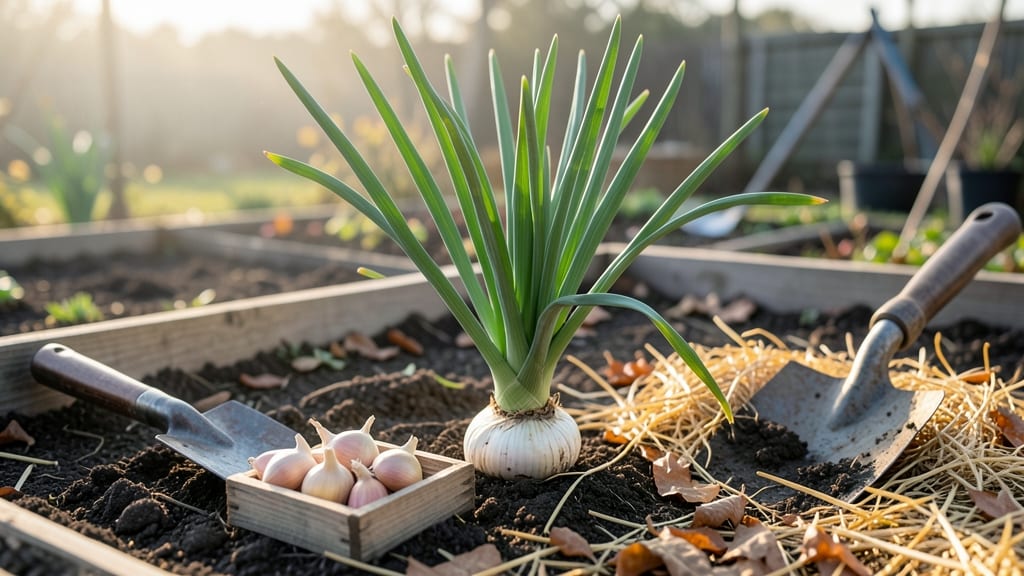
Planting garlic in Oklahoma at the wrong time can mean the difference between robust, flavorful bulbs and weak, stunted growth. The key to success lies in timing your fall planting just right—between October and November—so the cloves establish roots before winter dormancy sets in.
For Oklahoma gardeners in zones 6b-7a, this window ensures your 🧄 thrives through the cold months and delivers plump harvests by late June. But getting it wrong—planting too early or late—can leave your garlic vulnerable to frost damage or poor bulb development.
Whether you're growing hardneck varieties like 'Music' or milder softnecks, the right timing maximizes your yield. I’ll break down the exact dates for your specific zone, soil prep tips, and how to adjust for Oklahoma’s unpredictable weather patterns.
Let’s dive into the step-by-step strategy to guarantee your garlic survives the winter and produces the biggest, most flavorful bulbs possible—no guesswork required.
Best fall planting dates for Oklahoma garlic by hardiness Zone
Oklahoma’s USDA Hardiness Zones 6b-8a create a 6-week window for planting garlic—typically between mid-October and early December. This timing ensures cloves establish roots before winter dormancy, while avoiding the risk of premature sprouting from early planting or frost damage if planted too late.
Hardneck varieties like ‘Music’ thrive in Oklahoma’s cold winters, while softneck types such as ‘German White’ tolerate milder zones. The key is planting when soil temps drop to 40–50°F—a sure sign roots will anchor before freezing.
In Zone 6b (northern OK), aim for late October; in Zone 7a-8a (southern OK), stretch until mid-November.
Miss the fall window? Spring planting is possible but yields smaller bulbs and requires earlier sowing (February) to mature before summer heat. For best results, stick to fall—it’s the gold standard for Oklahoma garlic growers.
| Zone | Ideal Planting Window | Soil Temp Threshold | Variety Recommendation | Frost Adjustment |
|---|---|---|---|---|
| 6b (Northern OK) | Late October–Early November | 40–45°F | Hardneck (‘Music’) | Plant 4–6 weeks before first frost |
| 7a (Central OK) | Mid-October–Mid-November | 45–50°F | Hardneck/Softneck (‘Chesnok Red’) | Extend to late November if mild winters |
| 7b-8a (Southeastern OK) | Early October–Early December | 50–55°F | Softneck (‘German White’) | Plant 6–8 weeks before frost |
Adjust your planting date based on microclimates. High plains areas (e.g., Altus) freeze earlier than southeastern OK (e.g., Tulsa), so plant 2–3 weeks earlier in northern regions. Conversely, urban heat islands in Oklahoma City may delay frost—monitor local forecasts.
For hardneck varieties, prioritize October planting to maximize scape production (those prized garlic shoots). Softnecks, like ‘German White’, can handle later dates but risk smaller bulbs if planted after November 15.
Use mulch (straw or leaves) after planting to insulate bulbs during winter. In Zone 6b, apply 4–6 inches; in milder zones, 2–3 inches suffices. This protects roots from temperature swings that can stress garlic.
Ever wonder why some gardeners plant garlic in September? It’s a high-risk strategy—cloves may sprout too early, leading to weak roots before winter. Stick to the October–November window for consistent success.
Need a backup plan? Spring planting works but requires earlier sowing (February) and consistent watering to compensate for shorter growing seasons. Yields will be 30–50% smaller than fall-planted garlic.
Track your first frost date using Oklahoma Mesonet or local extension offices. Planting 4–6 weeks before ensures roots establish before dormancy—the secret to plump, flavorful bulbs by harvest season.
How to time garlic planting for zero-frost bulb development
Timing your garlic planting in Oklahoma isn’t just about the calendar—it’s about giving your cloves a 4-6 week head start before the ground freezes. This ensures roots establish before winter dormancy, setting the stage for bold, frost-resistant bulbs by harvest.
The key? Plant when soil temps hit 40–50°F and count backward from your first frost date (typically mid-November in most of Oklahoma).
For most of Oklahoma’s USDA Zones 6b–7a, aim to plant between mid-October and early November. In Zone 7a (southeastern OK), you can push planting into early December, while Zone 6b (western OK) may need to plant as early as late September.
Use your local frost-free days (about 180 days for garlic) to fine-tune timing—plant too early, and cloves may sprout before winter; too late, and roots won’t anchor deeply enough.
Here’s how to calculate your perfect window: Subtract 120 days (garlic’s maturity period) from your last frost date (mid-April). This lands you in mid-December, but adjust for your zone—earlier in colder areas and later in warmer microclimates.
For example, Tulsa (Zone 7a) might plant until November 15, while Claremore (Zone 6b) should aim for October 15.
Pro tip: If your fall planting window closes early due to frost, you can try a spring planting (February–March) for smaller bulbs, but yields will be 50% lower than fall-planted garlic. For best results, stick to fall and let winter’s chill sweeten the bulbs naturally.
Just remember—patience is key! Your garlic won’t sprout until spring, but those roots will be hard at work underground all winter long.
Watch for green shoots in early spring (March) as a sign your timing was perfect. If you see sprouts before winter, your cloves were planted too early—next year, adjust your window 2–4 weeks later.
For Oklahoma gardeners, this fall timing strategy is your ticket to plump, flavorful garlic by July! 🧄