
Plants
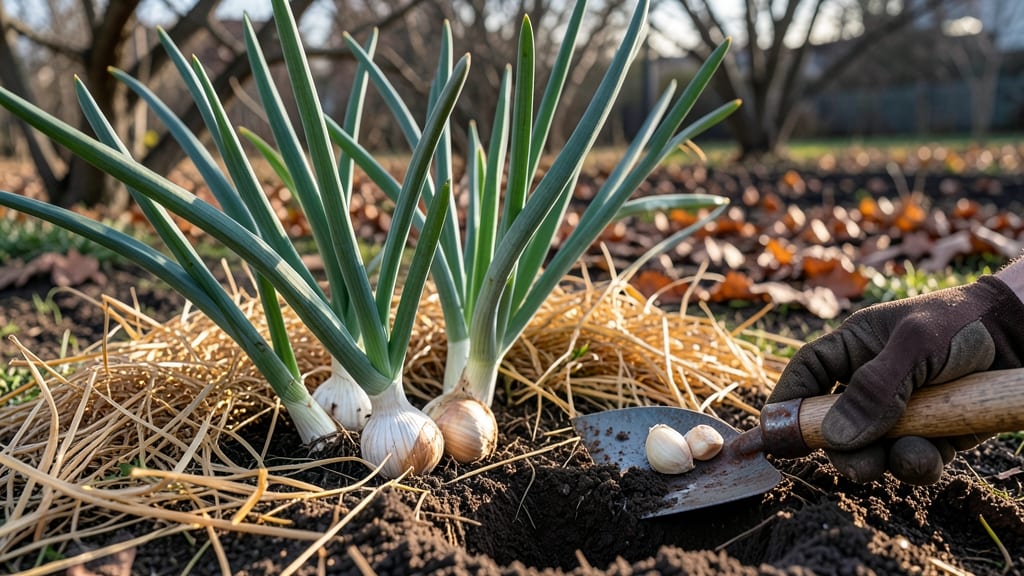
Timing your 🧄 garlic planting in Western North Carolina isn’t guesswork—it’s a science that separates a bountiful harvest from a disappointing one.
The key lies in those crisp fall days when soil temps drop but the ground stays workable, typically between October and November, giving your cloves time to root before winter’s chill sets in.
If you’ve ever wondered why some gardeners swear by late fall planting while others prefer early winter, the answer lies in your USDA Zone 6b-7a climate. Here, the balance between frost dates and soil conditions makes all the difference.
Plant too early, and you risk rot; too late, and your bulbs won’t mature properly by next summer’s harvest.
I’ve spent years perfecting the method for this region, and what I’m about to share will help you avoid common mistakes—like planting at the wrong depth or ignoring soil drainage.
You’ll learn how to adjust for Western NC’s microclimates, whether you’re in the mountains or the piedmont, and exactly when to mulch for extra frost protection.
Ready to grow plump, flavorful garlic that rivals store-bought? Let’s dive into the exact steps to time your planting for success, so you’re harvesting those golden cloves by June or July—just in time for your favorite recipes.
Optimal planting dates for zero-frost garlic in Western NC
Western NC’s USDA Zones 6b-7a create a unique window for planting garlic that avoids winter kill while ensuring robust bulb development. The sweet spot? Mid-October to early November, when soil temps hover between 40°F and 60°F—ideal for root establishment before ground freeze.
This timing aligns with our region’s average first frost (mid-October) and last frost (mid-November), giving cloves 4-6 weeks to root before winter’s chill. For hardneck varieties (like Music or Chesnok Red), this window maximizes cold exposure for bulb formation.
If you’re growing softneck garlic (like Silverskin), aim for late October to early November—these varieties tolerate slightly warmer soils and are better suited for our piedmont areas where winters are milder.
For mountain regions above 3,000 feet, push planting to early October—soil freezes faster, and you’ll need that extra time. Test soil readiness by pressing your finger 4 inches deep; if it’s cool but workable, it’s time to plant.
Pro tip: Use a soil thermometer to confirm temps. Below 40°F slows root growth, while above 65°F risks rot. Western NC’s high humidity also means well-draining soil is non-negotiable—amend with compost if your garden holds water.
If you miss the fall window, spring planting (March) is possible but risky—bulbs mature 30-50% smaller due to shorter growing season. For zero-frost success, stick to fall.
Remember: Moon phases don’t affect garlic growth, but root crops thrive with a waxing moon in Taurus or Virgo signs. Plant on a Friday or Saturday in Western NC for best results—less weekend garden traffic!
After planting, mulch heavily (4-6 inches) with straw or leaves to insulate bulbs through winter. This protects against freeze-thaw cycles and keeps soil temps stable for root development.
Your goal? Harvest plump, flavorful garlic by June or July—just in time for summer cooking. With these dates, you’ll avoid the most common mistakes and set yourself up for a zero-frost success story.
How to adjust planting for Western NC’s microclimates
Western NC’s diverse terrain—from mountain valleys to piedmont plains—means your garlic’s success hinges on local conditions. Elevation shifts frost dates by weeks, and soil drainage varies dramatically between regions.
For example, Asheville’s piedmont (Zone 7a) enjoys milder winters, while Boone’s mountains (Zone 6b) face earlier freezes. Adjust your planting window accordingly.
In mountain regions above 3,000 feet, plant by early October—soil freezes faster, and you’ll need that extra time for roots to establish. Test soil readiness by pressing your finger 4 inches deep; if it’s cool but workable, it’s time.
In piedmont areas, you have until mid-November due to later frost dates and warmer microclimates.
🌿 Key Adjustment: Use a soil thermometer to confirm temps between 40°F and 60°F. Below 40°F, root growth stalls; above 65°F, rot risks increase. Western NC’s high humidity also demands well-draining soil—amend with compost if your garden holds water.
🌱 Mountain Regions (Zone 6b)
Pros
- Cooler temps slow pests
- Longer root establishment
- Hardier varieties thrive
Cons
- Soil freezes earlier
- Shorter growing season
- More mulch needed
🌿 Piedmont Regions (Zone 7a)
Pros
- Later frost dates
- Warmer soil for softneck
- Longer harvest window
Cons
- Higher humidity risks rot
- Pests thrive longer
- Less cold exposure
For soil drainage, piedmont areas often need raised beds or sandy amendments to prevent waterlogging, while mountain soils may benefit from organic matter to retain moisture. Always plant on mounds (2-3 inches high) to improve drainage and reduce rot risk.
💧 Mulching Matters: Apply 4-6 inches of straw or leaves after planting to insulate bulbs through winter. In piedmont areas, this protects against freeze-thaw cycles; in mountains, it prevents soil heaving from repeated freezing. Replenish mulch in January if heavy rains expose soil.
If you’re in a transition zone (e.g., near Black Mountain), split your planting: half in October (for hardnecks) and half in November (for softnecks). This hedges against unpredictable frost dates. Always mark your rows to avoid disturbing roots during winter snow shoveling!
Finally, avoid planting near trees—their roots compete for nutrients, and their shade reduces sunlight. Choose a sunny, open spot with 6+ hours of direct light daily. With these adjustments, your garlic will thrive regardless of whether you’re in the smoky mountains or the piedmont plains.