
Plants
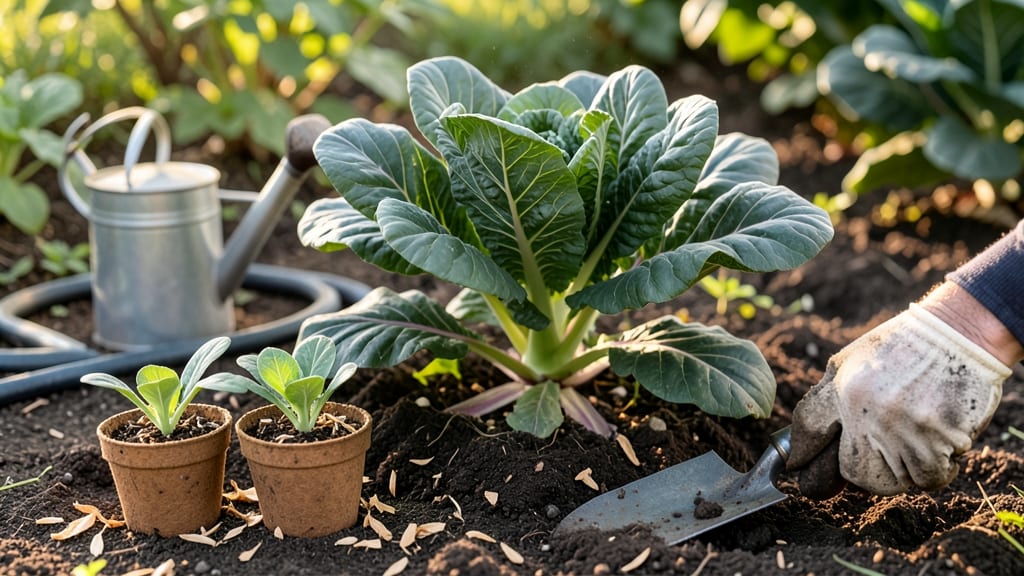
Planting collards in North Carolina at the wrong time can mean bitter leaves or wasted effort—but getting the timing right unlocks sweet, tender greens all season long.
Whether you're in the mountains or the coastal plains, knowing when to sow these 🥬 powerhouses makes the difference between a thriving garden and a disappointing one.
The key is understanding your USDA zone (6b-8a) and working with North Carolina's mild winters and long growing seasons. Early spring and late summer are your best bets, but a few weeks before the first frost can extend your harvest into winter.
I'll break down the exact months that work for your specific heat zone, so you can plant with confidence.
You might think collards are just a cool-season crop, but with the right timing, you can enjoy them year-round. We'll cover how to stretch your planting window, protect young plants from unexpected frosts, and choose varieties that thrive in North Carolina's diverse climate.
Let's get those seeds in the ground at just the right moment.
Ready to transform your garden into a collard patch that produces through fall and winter? The secrets to perfect timing start here, with science-backed advice tailored to NC's unique growing conditions. Your future harvests will thank you.
Best collard planting months in North Carolina by heat zone (USDA 7a-8b)
Collards thrive in North Carolina’s cool-season climate, making them a perfect fit for USDA zones 7a-8b. The key to success lies in planting during optimal temperature windows—typically 4-6 weeks before the first frost for fall harvests or early spring for summer growth.
Since NC’s regions vary dramatically (from the cool mountains to the warmer coast), timing adjustments are critical.
For mountain regions (USDA 7a), like Asheville, aim for March 15-April 15 plantings to avoid late frosts. In the Piedmont (USDA 7b-8a), Raleigh gardeners can start as early as February 20 or push into late summer (August 1) for a fall harvest.
Coastal areas (USDA 8a-8b), such as Wilmington, can even plant as late as September 15 thanks to milder winters.
Collards are a cool-season crop, meaning they prefer 50-75°F soil temperatures. Planting too early in cold, wet soil can stunt growth, while waiting too long risks bolting (premature flowering) as temperatures rise. The ideal window balances these factors, ensuring robust leaf production.
🌱
| Region/Zone | Best Planting Months | Last Frost Date | Soil Temp Goal (°F) |
|---|---|---|---|
| Mountains (USDA 7a) | March 15-April 15 | April 15 | 50-60°F |
| Piedmont (USDA 7b-8a) | February 20-March 30 or August 1-15 | March 20-April 5 | 55-65°F |
| Coastal (USDA 8a-8b) | February 15-April 1 or August 15-September 15 | March 10-April 10 | 60-70°F |
*Adjust dates 1-2 weeks earlier for high-altitude mountain areas or later for coastal microclimates.
Spring plantings in NC should occur 4-6 weeks before your last frost date to ensure mature plants before summer heat sets in. For example, if your last frost is April 1, plant by February 15.
This timing allows collards to establish roots before soil temperatures exceed 75°F, which stresses the plants.
For a fall harvest, NC gardeners often plant in late summer (August-September). This second planting window takes advantage of cooler autumn temperatures and provides fresh greens through October, November, and even December in milder zones. Coastal areas can extend this window even later, sometimes into early October.
Pro tip: Use NC State Extension’s frost date calculator (available online) to pinpoint your exact last frost date. This tool accounts for microclimates, ensuring you plant at the optimal time for your specific county. For example, Asheville’s last frost often occurs 2 weeks later than Raleigh’s.
🌿
Collards planted in summer (June-July) may struggle in NC’s heat but can still produce if given extra shade and consistent water. However, these plantings are riskier and often yield smaller, less flavorful leaves.
If you’re set on summer collards, opt for shade-tolerant varieties like ‘Georgia Southern’ and provide afternoon shade with row covers or nearby trees.
Always prepare your soil before planting by amending with 2-3 inches of compost and ensuring a pH of 6.0-7.0. Collards prefer well-draining, slightly acidic soil, and proper prep prevents nutrient deficiencies that can stunt growth. Test your soil in early spring to address any issues before planting.
☀️
Best collard planting months in North Carolina by heat zone (USDA 7a-8b)
North Carolina’s USDA zones 7a-8b create microclimates where collards thrive year-round—but timing varies dramatically between the mountains, Piedmont, and coastal plains. The ideal planting window shifts from early spring to late summer, with soil temperatures and frost dates dictating success.
In zone 7a (mountains), aim for March-April or August-September, while zone 8b (coast) can start as early as February or push into October.
Collards are cool-season crops, meaning they prefer temperatures between 50°F-75°F. Planting too early in cold soil (<40°F) stunts growth, while late summer plantings must beat the first frost (typically November 15 in most regions). The key is balancing soil warmth and daylength—collards bolt (go to seed) when days grow too long or temps exceed 85°F.
| Heat Zone | Best Planting Months | Soil Temp | Frost Risk | Harvest Window |
|---|---|---|---|---|
| USDA 7a (Mountains) | March 15–April 15 August 1–September 15 |
50°F–65°F | High frost risk Nov 1–Nov 15 |
October–December January–February |
| USDA 7b (Piedmont) | February 28–April 1 July 15–September 1 |
55°F–70°F | Moderate frost risk Nov 10–Nov 20 |
September–December January |
| USDA 8a (Coastal Plains) | February 15–March 15 July 1–August 31 |
60°F–75°F | Low frost risk Nov 20–Dec 1 |
August–December January–February |
| USDA 8b (Outer Banks) | January 15–February 28 June 15–September 15 |
65°F–80°F | Minimal frost risk Dec 1–Dec 15 |
July–December January–March |
For mountain gardeners (USDA 7a), focus on March-April plantings to avoid early spring frosts. Use row covers if seeding in February, as soil temps below 50°F slow germination. In the Piedmont (7b), you can start as early as late February, but prioritize August-September for a winter harvest.
Coastal gardeners in 8a-8b enjoy the longest windows—plant in January-February for summer greens or July-August for fall/winter harvests.
Pro tip: Check your local frost dates using the NC State Extension map—even within zones, microclimates vary. For example, Asheville’s last frost averages April 15, while Wilmington rarely sees frost after December 1.
Adjust your planting by 2-4 weeks based on your county’s history. Always plant seeds ¼ inch deep and keep soil moist until germination (7-10 days at ideal temps).
If you miss the spring window, don’t panic—late summer plantings (August-September) produce sweeter leaves by winter. The trade-off? Collards grown in cooler months develop higher sugar content, making them a winter staple.
Just be sure to space plants 18–24 inches apart to prevent disease and ensure airflow, especially in humid coastal areas.
Ready to plant? Grab your seeds, test soil pH (6.0–7.0 is ideal), and mark your calendar for the next frost date. With this zone-specific guide, your collards will thrive whether you’re in the Appalachian foothills or the Outer Banks. 🥬