
Plants
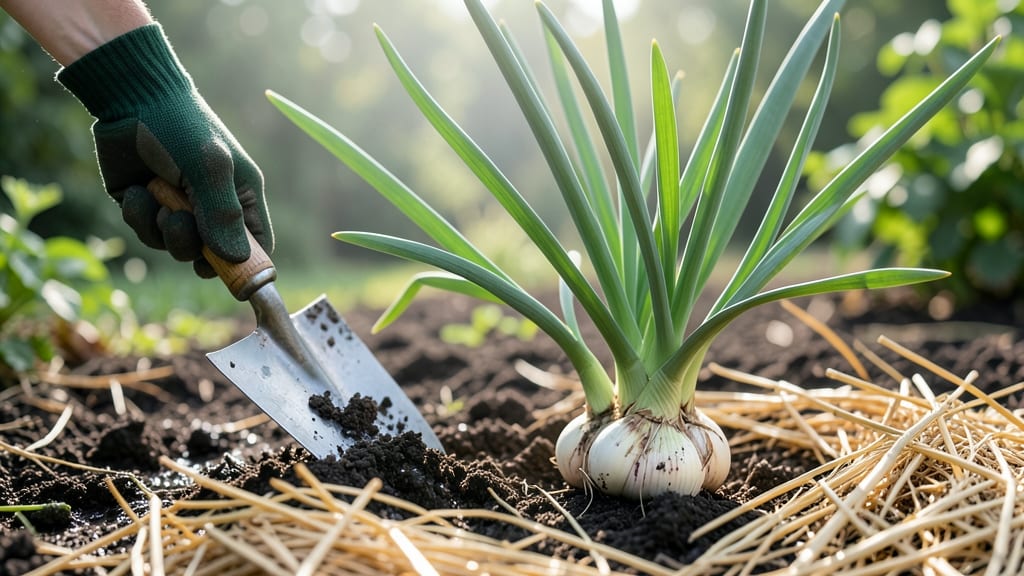
Planting your 🧄 garlic at the wrong time in Virginia could mean the difference between a thriving harvest and wasted effort—especially when hard freezes roll in unexpectedly.
Unlike spring crops, garlic needs a head start in the fall to establish strong roots before winter dormancy, but Virginia’s 7a-7b zones complicate timing with their unpredictable frost patterns.
If you’ve ever wondered why some gardeners swear by early October plantings while others wait until November, the answer lies in soil temperatures and frost risks.
Getting it right means your garlic will develop bulbs that are plump, flavorful, and ready to harvest by late June—no more shriveled cloves or half-baked results.
I’ll walk you through the exact fall planting windows for Virginia’s zones, including how to adjust for early freezes or mild winters.
You’ll learn the key steps to prepare your soil, choose the right varieties, and protect your crop through winter—so you can enjoy a harvest that rivals store-bought (or even beat it).
Whether you’re a first-time planter or a seasoned gardener, these insights will help you avoid common mistakes and maximize your garlic’s potential. Let’s get your cloves in the ground at the perfect time for a bountiful 2025 harvest.
Virginia garlic planting deadlines by hardiness Zone (7a-7b)
Virginia’s 7a and 7b hardiness zones create distinct deadlines for planting garlic, with Zone 7a (colder) needing earlier action than Zone 7b (warmer). The key is planting 4-6 weeks before the ground freezes—typically between mid-October and mid-November—to give roots time to establish before winter dormancy.
In Zone 7a (northern VA), aim for October 15–31 to avoid early freezes that can damage young plants. Zone 7b (central/southern VA) offers a slightly later window of October 31–November 15, but don’t delay too long or bulbs may develop poorly.
Soil temperatures below 50°F (10°C) signal it’s time to plant. Use a soil thermometer to confirm—garlic needs cool but not frozen soil to root properly. In Virginia, this usually aligns with fall’s last warm spell before winter sets in.
🌱
| Zone | Ideal Planting Window | Soil Temp Requirement | Frost Risk | Adjustment Tip |
|---|---|---|---|---|
| 7a (Northern VA) | October 15–31 | 45–50°F (7–10°C) | High (first frost: mid-October) | Plant by October 15 to avoid early freezes |
| 7b (Central/Southern VA) | October 31–November 15 | 50–55°F (10–13°C) | Moderate (first frost: late October) | Extend window to November 15 if mild fall |
To calculate your local planting deadline, subtract 4–6 weeks from your area’s average first frost date. For example, if your first frost is November 15, plant by October 1–15. Check the Virginia Cooperative Extension’s frost maps for precise local data.
Regional variations matter: Coastal Virginia (Zone 7b) can often plant later due to milder winters, while the Piedmont (Zone 7a) may need earlier plantings to avoid early freezes. Monitor weather forecasts for unseasonably warm falls, which can delay planting but also extend the window.
Pro tip: If you miss the fall window, spring planting is possible in Virginia, but bulbs will be smaller. Plant in February–March for a summer harvest, though flavor and size won’t match fall-planted garlic.
🌿
How to time garlic planting for maximum bulb size in Virginia’s climate
Timing your garlic planting isn’t just about avoiding frost—it’s about giving your cloves the cool-season growing window they need to develop large, flavorful bulbs. In Virginia, where winters can be unpredictable, the secret lies in soil temperature management and mulching strategies that extend the growing season naturally.
For maximum bulb size, aim to plant when daytime temperatures hover around 60–70°F (15–21°C) but nights dip below 50°F (10°C). This balance encourages root growth without triggering premature flowering. In Zone 7a, this often means late October plantings, while Zone 7b gardeners can wait until early November.
🌱
🌿 3 Critical Factors for Bulb Size
- Planting Depth: 2 inches deep for hardneck varieties, 1 inch for softneck—deeper = larger bulbs in clay soils
- Mulch Thickness: 4–6 inches of straw or leaves insulates roots through winter, preventing freeze-thaw cycles that split bulbs
- Variety Choice: Hardneck garlic (e.g., 'Music' or 'German White') thrives in Virginia’s climate, while softneck (e.g., 'Silverskin') needs warmer winters
💡 Pro Tip: Test soil pH (6.0–7.0) before planting—Virginia’s clay soils often need lime or sulfur adjustments for optimal bulb development.
Once planted, focus on winter protection to ensure consistent bulb growth. Apply a thick layer of organic mulch (straw or shredded leaves) after the ground freezes to insulate roots.
In Zone 7a, where winters are harsher, consider adding a 12-inch layer of mulch to prevent soil temperature fluctuations that can stress the plants.
Spring care is equally important. As temperatures rise in March–April, remove half the mulch to allow soil warming, which triggers bulb maturation. Avoid fertilizing during this period—garlic needs low nitrogen to focus on bulb development rather than leafy growth.
A light application of 5-10-10 fertilizer in early spring supports regrowth without overstimulating foliage.
Watering plays a subtle but critical role. While garlic is drought-tolerant once established, deep watering every 10–14 days during dry spells in late winter ensures roots have moisture for bulb expansion. Overwatering in spring can lead to rot or split bulbs, so always check soil moisture before watering.
🌿 By mastering these timing and care techniques, you’ll coax larger, more flavorful bulbs from Virginia’s unpredictable climate—proving that patience and preparation pay off in the harvest. The key is treating garlic like a low-maintenance winter crop rather than a spring-planted vegetable.