
Plants
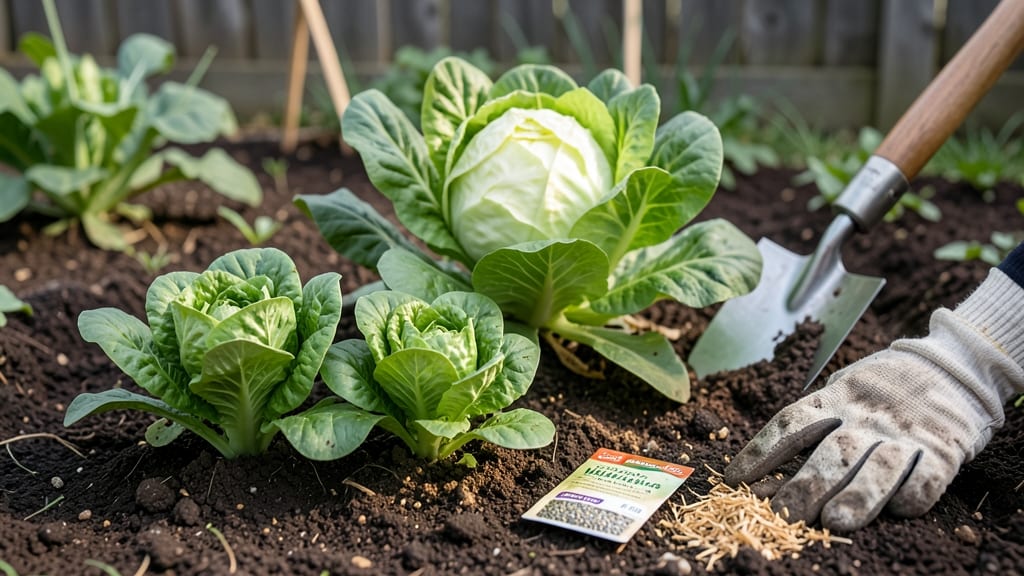
Planting lettuce in Texas at the wrong time can turn your crisp 🥬 dreams into bitter disappointment—because bolting happens fast when the heat arrives too soon. The key to success lies in understanding your local climate zone, whether you're in North Texas's cooler stretches or South Texas's extended growing season.
Most Texas gardeners know the struggle: spring plantings bolt by May, and summer heat makes lettuce wilt before it even forms heads.
But with the right timing—late August through November for fall and February to early April for spring—you can enjoy fresh salads straight from your garden for months.
In this guide, I’ll break down the exact deadlines for your region, including how to stretch your harvest window with shade tricks and heat-resistant varieties. No more guessing—just crisp, zero-bolting lettuce all season long.
Ready to master Texas lettuce planting? Let’s dive into the calendar that keeps your greens thriving, no matter where you are in the 8a-10b zones.
Texas lettuce planting calendar: exact fall and spring deadlines to avoid bolting
Mastering the Texas lettuce planting calendar means avoiding the heartbreak of bolting lettuce—when your crisp greens turn bitter and flower prematurely. The key? Timing your fall and spring plantings to align with Texas' USDA zones 8a-10b and regional frost patterns.
Unlike cooler climates, Texas' long, hot summers force lettuce to bolt quickly, so fall is your golden window for success.
Texas' three distinct regions—North, Central, and South—each have unique last frost dates that dictate your planting deadlines. For example, North Texas gardeners face a February 15 last frost date, while South Texas enjoys frost-free winters until December 15.
These differences mean your planting windows can shift by 6-8 weeks depending on where you live.
Here’s the non-negotiable rule: Plant lettuce 6-8 weeks before your first expected frost to ensure a full harvest before cold snaps. In Texas, this translates to late August through early November for fall plantings and February through early April for spring.
Miss these windows, and you’ll risk heat stress or frost damage.
| Region | Last Frost Date | Fall Planting Window | Spring Planting Window | First Frost Date |
|---|---|---|---|---|
| North Texas (USDA 8a) | February 15 | Late August - Early October | February - Early April | December 15 |
| Central Texas (USDA 8b) | January 15 | Late August - Early November | February - Early April | November 15 |
| South Texas (USDA 9a-10b) | December 15 | Late August - Early December | February - Early May | October 15 |
Texas' longer daylight hours in summer trigger lettuce to bolt, so avoid planting during April through September unless you’re using heat-tolerant varieties like 'Jericho' or 'Black Seeded Simpson'. Even then, shade cloth becomes your best friend to block intense midday sun.
For spring plantings, aim to harvest before May’s heat wave hits. Start seeds indoors in January and transplant outdoors by February to give seedlings a head start. In fall, direct-sow seeds 6-8 weeks before your first frost—this ensures mature plants before cold weather sets in.
Pro tip: Use a frost calendar from your local AgriLife Extension office for hyper-localized deadlines. Texas A&M’s Frost/Freeze Forecast is a game-changer for adjusting your planting timeline year to year.
Don’t overlook soil temperature—lettuce seeds need 40-75°F soil to germinate. In Texas, this means waiting until soil cools below 80°F in fall or planting in early spring when nights dip below 60°F. A soil thermometer is a $10 investment that saves you from wasted seeds.
Remember: Day-length sensitivity is your enemy in Texas. Lettuce bolts when days exceed 14 hours of light, which happens April through August. By sticking to fall and spring windows, you’ll dodge this pitfall entirely.
🌱
How to extend lettuce season in Texas heat: shade, mulch, and variety hacks
Texas summers are brutal for lettuce—90°F+ temperatures send most varieties bolting within weeks. But with the right strategies, you can extend harvests into June or push fall planting later than usual. The key? Heat tolerance, shade management, and succession planting.
My secret weapon? Heat-tolerant varieties like 'Jericho' or 'Black Seeded Simpson', which handle 85°F+ soils better than standard butterhead. These stay crisp longer, even when temps flirt with 100°F. Pair them with shade cloth (30-50% block), and you’ve got a fighting chance.
🌱 Visual Tip: Use a summary table below to compare heat-tolerant varieties, their ideal planting windows, and care adjustments.
| Variety | Heat Tolerance | Planting Window | Shade Needs |
|---|---|---|---|
| Jericho | Excellent (up to 90°F) | Feb–April, Aug–Sept | 30% shade cloth |
| Black Seeded Simpson | Good (up to 85°F) | Feb–March, Sept–Oct | 40% shade cloth |
| Romaine (e.g., 'Parris Island') | Moderate (up to 80°F) | Feb–April, Sept–Nov | 50% shade cloth |
For spring extensions, start seeds indoors in January and transplant after March 15 (when soil temps drop below 80°F). Use row covers to shield seedlings from heat spikes—even a 30°F drop can reset bolting triggers.
Mulching is non-negotiable. A 2-inch layer of straw keeps roots 10°F cooler and retains 30% more moisture.
Water deeply in the early morning (before 8 AM) to prevent fungal issues from evening dampness. Drip irrigation is your best friend here—it delivers water right to the roots without wetting leaves.
Succession planting every 2 weeks ensures a continuous harvest. For example, sow 50% of your fall crop in August (with shade), then another 50% in September as temps cool. This staggered approach lets you harvest through December before frost hits.
💧 Pro Tip: If your lettuce starts bolting prematurely, harvest the outer leaves immediately—this redirects energy to leaf growth instead of seed production. Pair this with cooling the soil by watering heavily at dusk (just don’t overdo it—waterlogged roots are just as bad as heat stress).