
Plants
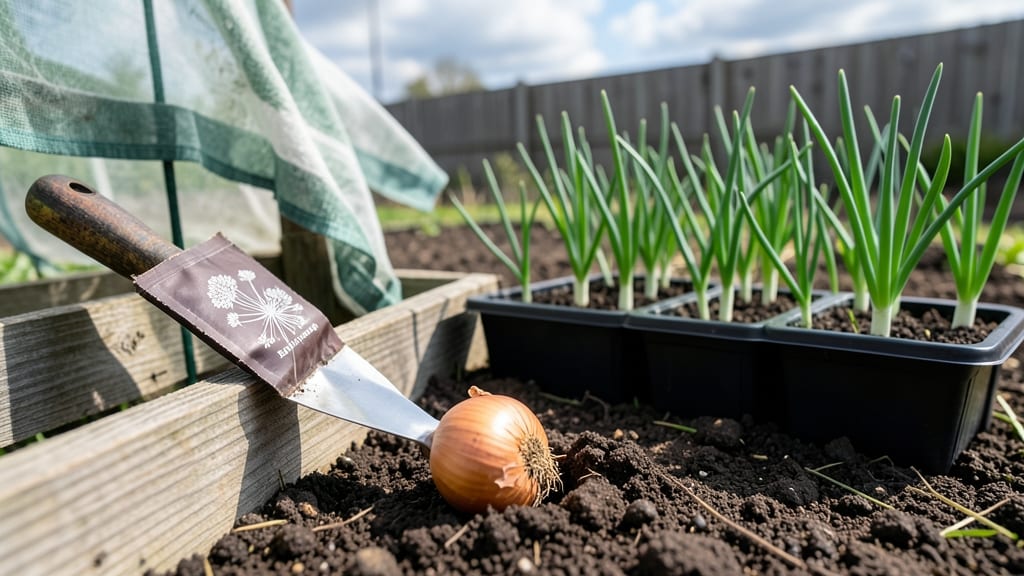
Planting onions in Michigan at the wrong time can turn your hard work into bitter disappointment—or worse, a wasted garden bed. The key to sweet, plump 🧅 bulbs lies in understanding your USDA Zone 5b-6b climate, where frost lingers until mid-April and unpredictable spring weather can trigger bolting.
Most gardeners assume "early spring" means March, but rushing sets or seeds into cold soil risks stunted growth. Instead, aim for late March to early April when soil temps hit 45°F–60°F, the sweet spot for germination without bolting.
Fall planting? August–September works for green onions, but bulb varieties need extra care in Michigan’s short season.
Here’s the game-changer: soil temperature tricks like frost cloth or mulch can extend your window by 2–3 weeks, giving onions the stable conditions they crave. I’ll show you exactly how to time it right—no guesswork, just Michigan-proven results.
Whether you’re growing candy onions for sandwiches or hardnecks for storage, nailing the timing means fewer scraps and more harvests. Let’s dive into the calendar, soil secrets, and variety picks that’ll make your onions thrive.
Michigan onion planting calendar: exact dates by variety and region
Michigan’s diverse climate zones mean your onion planting timeline should vary based on whether you’re in the Upper Peninsula, Northern Lower Peninsula, or Southern Michigan.
The key is planting 4-6 weeks before your last frost date—typically mid-April to early May—but adjusting for short-day, intermediate-day, or long-day onion varieties makes all the difference.
For spring planting, start with onion sets or transplants in March or early April, while seeds can go in slightly later (late March to early April). Fall planting for overwintering onions works best in August or early September, giving bulbs time to mature before frost.
Let’s break down the exact windows by region and variety.
🌱 Onion Variety Day-Length Needs:
| Variety Type | Best for Michigan Zone | Planting Window | Notes |
|---|---|---|---|
| Short-Day | Southern Michigan (5b-6a) | March 15 - April 15 | Sweet, mild flavor; plant early to avoid bolting |
| Intermediate-Day | Northern Lower Peninsula (5a-5b) | April 1 - May 1 | Versatile; good for both spring and fall planting |
| Long-Day | Upper Peninsula (4b-5a) | April 15 - May 10 | Best for storage; plant later to prevent early bolting |
| Green Onions | All Regions | March 1 - September 1 | Harvest young for scallions; no bolting risk |
In Southern Michigan, where last frosts hit mid-April, you can start onion sets as early as late February under frost cloth.
For the Upper Peninsula, wait until after April 15 to avoid frost damage, even if using cold frames. Fall planting works best in August for Southern Michigan and early September for Northern regions.
Pro tip: Use Michigan State University’s frost date map to pinpoint your exact last frost date. Then count back 4-6 weeks for spring planting or 8-10 weeks before your first frost for fall crops. ‘Candy’ onions and ‘Sweet Sandwich’ are top picks for Michigan’s climate.
For container gardening, start seeds indoors 6-8 weeks before transplanting (by March 1 for most regions). Use biodegradable pots to avoid disturbing roots when moving outdoors. Containers also let you extend the season by moving pots to protected spots during late frosts.
Remember: Soil temperature matters just as much as air temperature. Aim for 45°F-60°F for germination—colder soils delay sprouting. Mulch with straw after planting to maintain even soil temps and reduce weeds. This simple step can boost bulb size by 20% in Michigan’s variable climate.
If you’re in Zone 5a (Upper Peninsula), prioritize long-day varieties like ‘Yellow Sweet Spanish’ for storage, while Zone 6a gardeners can experiment with short-day ‘Texas Early White’ for sweeter, earlier harvests. Always rotate crops to prevent soil-borne diseases like white rot.
🌱 For a foolproof schedule, mark your calendar with these Michigan onion milestones:
- March 1: Start seeds indoors (if using)
- March 15:
Soil temperature secrets: how to time onion planting for maximum bulb formation
Onions are finicky about soil temperature, and Michigan’s USDA Zones 5b-6b add another layer of challenge. Plant too early when the ground is still chilly (<45°F), and your onions will sit and rot. Wait too long, and they’ll bolt—shooting up into bitter green stalks instead of forming sweet bulbs. The magic window? 45°F–60°F, where roots establish without stress.
Here’s the kicker: Michigan’s average last frost date is April 15, but soil warms 2–3 weeks later in the Upper Peninsula. Use a soil thermometer to check depth (2–3 inches down) before planting. If it’s below 45°F, delay or use frost cloth to create a warmer microclimate.
🌱Key Takeaway
Plant onions in Michigan when soil temps hit 45°F–60°F—this prevents bolting and ensures strong bulb formation. Use frost cloth or mulch to extend your window by 2–3 weeks if needed.
For spring planting, aim for late March in southern Michigan (where soil warms faster) or early April in the Upper Peninsula. If you’re planting sets or transplants, they tolerate slightly cooler soil (down to 40°F), but seeds need that 50°F minimum to germinate.
Pro tip: Cover seed rows with black plastic mulch to warm the soil faster—it can shave 1–2 weeks off your waiting time.
Fall planting? August–September is your window, but focus on green onions or short-day varieties like ‘Texas Early White’. Bulb onions planted in fall rarely mature before winter in Michigan’s climate, but you can try them in the southernmost regions (Zone 6b) with heavy mulch.
Always plant 8–10 weeks before the first frost (typically October 15) to give roots time to establish.
Watch for unpredictable temperature swings, a Michigan specialty. If a late frost hits after planting, cover onions with frost cloth immediately—even a light freeze can stunt growth.
Conversely, if daytime temps soar above 80°F while nights stay cool, onions may bolt prematurely. Shade cloth (30–50%) can help regulate temps during heatwaves.
Remember: consistency is key. Onions hate temperature fluctuations, so choose a spot with well-draining soil and 6–8 hours of sun, then monitor soil temps weekly. When you nail this, you’ll harvest plump, sweet bulbs instead of scraggly green tops—no bitter surprises here! 🌱