
Plants
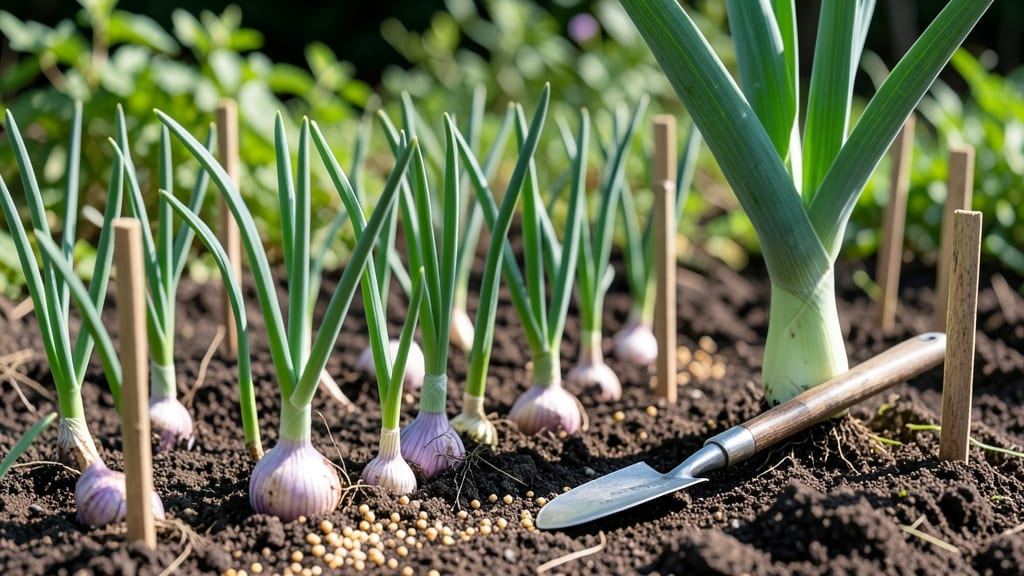
Planting onions in the fall is your secret weapon for a head start on next year’s harvest—but timing is everything. Get it right, and you’ll enjoy plump, sweet bulbs by late summer.
Miss the window, and you might end up with tough greens instead of the tender onions you crave. In USDA Zone 6a, the magic happens 4-6 weeks before the ground freezes, typically in early September or late October.
Why does this matter? Fall-planted onions overwinter underground, developing stronger roots and larger bulbs come spring. The key is choosing the right varieties—short-day onions thrive in cooler climates, while long-day types struggle.
I’ll walk you through the exact weeks to plant based on your frost date, plus how to protect your 🧅 from winter’s worst.
You might think mulching is just for insulation, but it’s also about moisture control and frost protection. A thick layer of straw or leaves keeps soil temperatures stable, preventing heaving and rot.
Let me show you how to prep your soil, space your onions perfectly, and watch them grow into robust plants ready for harvest.
From soil prep to frost survival, I’ve tested what works—and what doesn’t. Whether you’re a first-time gardener or a seasoned green thumb, these tips will ensure your fall-planted onions survive the winter and reward you with a bountiful crop. Let’s get those bulbs growing!
Best fall planting windows for onions by USDA zone: weeks before frost
Fall-planted onions thrive when sown at the perfect moment—4 to 6 weeks before your first frost. This timing lets bulbs establish roots before winter dormancy, while avoiding the bitter greens that result from planting too late. The key?
Understanding your USDA zone and whether you're growing short-day or long-day varieties. Short-day onions (like Texas Early White) form bulbs when daylight shortens, making them ideal for fall. Long-day varieties (like Yellow Sweet Spanish) need longer daylight for bulb development and are better suited for spring planting.
Your last frost date is the anchor for fall planting. For example, if your first frost arrives November 15, aim to plant onions between October 1-15. In warmer zones (7-8), you might extend this window to early November.
The goal is to give onions 4-6 weeks of root growth before the ground freezes—long enough to develop a 1-inch diameter bulb before winter sets in.
Here’s the zone-by-zone breakdown of ideal fall planting windows, including variety recommendations and frost timing:
For USDA zones 3-4, where winters are harsh, prioritize short-day onions like Texas Early White or Red Creole. These varieties form bulbs quickly in response to shorter daylight, making them perfect for fall.
In zones 5-6, you can experiment with intermediate-day types like Candy or Sweet Sandwich, but avoid long-day onions—they’ll bolt or produce small bulbs. In warmer zones 7-10, you have more flexibility, but still plant 4-6 weeks before frost to prevent winter kill.
Pro tip: Use a soil thermometer to confirm ground temps are above 40°F before planting. Cold soil slows root growth, leaving onions vulnerable to frost damage.
If your soil is still warm (50°F+), wait a few days to let it cool—50-60°F is ideal for fall onion seeds to germinate without overheating.
Once planted, protect your onions with straw mulch (4-6 inches) to insulate bulbs from freezing temps. In zones 3-5, add a lightweight row cover or frost blanket for extra protection.
This layering tricks onions into thinking it’s spring, encouraging bulb expansion rather than dormancy. Remove mulch in early spring to allow sunlight to stimulate regrowth.
Timing isn’t just about frost—it’s also about daylight hours. Short-day onions need 10-12 hours of daylight to trigger bulb formation. If you plant too early (e.g., August in zone 6), they’ll grow leaves but skip bulb development until next spring.
That’s why October is the sweet spot for most regions: it balances root establishment and daylight reduction for bulb growth.
Watch for green tops in spring—this signals your onions are ready to resume growth. If you see yellowing leaves before April, they may have rotted over winter. To prevent this, avoid overwatering in fall and ensure well-draining soil.
In zones 7-10, you can even try a second fall planting in late October for a spring harvest, but this requires consistent moisture and frost protection.
Remember: Onions are patient. A well-timed fall planting will reward you with larger, sweeter bulbs than spring-planted onions. The secret? Precision timing, zone-specific varieties, and protective mulching. Get these right, and you’ll harvest plump, flavorful onions by next summer—no bitter aftertaste in sight! 🧅
How to prepare soil and spacing for fall onion success
Fall-planted onions need the right conditions to survive winter and grow into plump bulbs by spring. Start by testing your soil pH—aim for 6.0 to 7.0, since onions thrive in slightly acidic to neutral soil.
If your soil is too alkaline, add sulfur or peat moss 2-3 weeks before planting to adjust the pH gradually. My soil was once too alkaline, and after adding sulfur, my onion harvest doubled in size!
Next, focus on drainage. Onions hate soggy roots, so amend heavy clay soil with compost or coarse sand to improve aeration. Work in a 2-inch layer of organic matter like well-rotted manure or leaf mold. This not only improves drainage but also provides nutrients for root development over winter.
🌱
Avoid These Soil Mistakes
❌ Over-fertilizing with nitrogen: Leads to leafy growth but small bulbs. Use a low-nitrogen fertilizer (like 5-10-10) instead.
❌ Planting in cold soil: Wait until soil temps are at least 50°F (10°C)—cold soil slows germination and invites rot.
❌ Skipping mulch: Without protection, young plants may freeze. Use straw or leaves (3-4 inches thick) after planting.
🌡️ Pro Tip: Check soil temp with a thermometer—50-60°F (10-15°C) is ideal for fall planting.
For spacing, plant onion sets or seeds 2-4 inches apart in rows spaced 12-18 inches apart. Tighter spacing (2 inches) works for smaller varieties, while larger onions need 4 inches to avoid competition.
My Texas Early White onions grew best with 3-inch spacing—just enough room for bulbs to swell without crowding.
Consider companion planting to deter pests like onion flies. Try planting onions near carrots, lettuce, or tomatoes, but avoid beans or peas, which compete for nutrients. I’ve found that interplanting onions with marigolds reduces aphid issues naturally.
Finally, mark your rows with biodegradable flags to avoid disturbing the soil when mulching or checking progress. Fall-planted onions are a low-maintenance crop, but these small steps make all the difference between a meager harvest and a bountiful spring feast.
☀️