
Plants
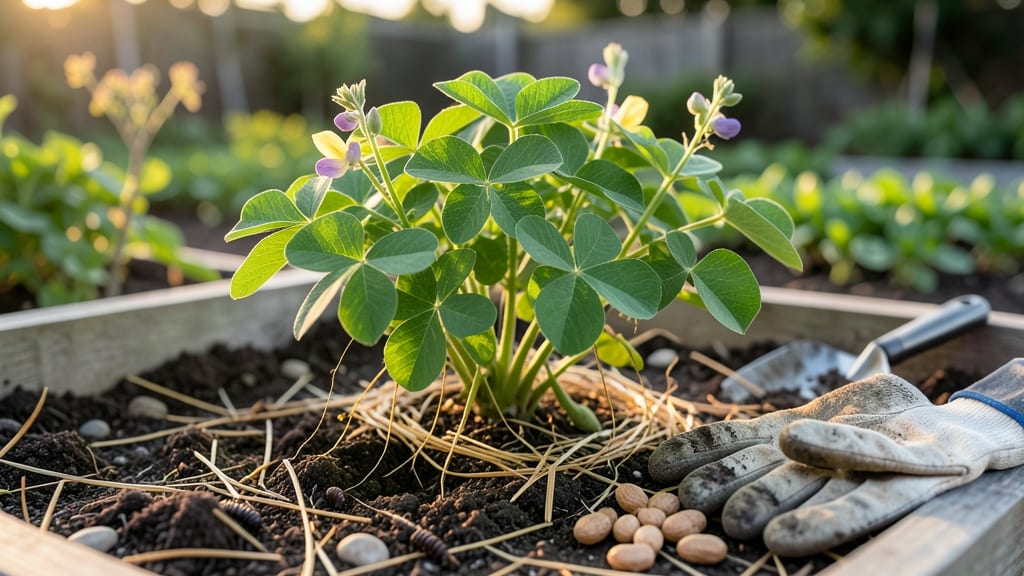
Planting peanuts in North Carolina isn't just about the calendar—it's a delicate dance with soil temperature, frost risks, and the 68°F threshold that triggers germination. Get it wrong, and your 🥜 crop could vanish before it even sprouts.
Most gardeners in zones 7a-8b wait until mid-April to early June, but the real secret lies in warm soil, not just warm air. A soil thermometer becomes your best friend here, because peanuts refuse to germinate until the ground reaches that magic temperature.
Why does timing matter so much? Because peanuts need a long, frost-free growing season—120 days minimum—to develop those signature pods underground. Plant too early, and a late frost could wipe out your crop before it starts.
I’ll show you exactly how to time your planting for maximum yield, from reading your local frost-free dates to choosing the right varieties for NC’s climate. Let’s get those peanuts growing the right way.
Optimal planting dates for peanuts in NC based on soil temperature
Peanuts thrive in North Carolina’s warm climate, but getting the timing right is everything. Unlike many crops, peanuts won’t germinate until the soil reaches a steady 68°F—any cooler, and your seeds will rot in the ground.
This means calendar dates alone won’t cut it; you’ll need to check soil temperature with a soil thermometer or rely on local historical data.
Most NC growers aim for planting between mid-April and early June, but this shifts depending on your USDA zone (7a–8b). In cooler mountain regions like Asheville (Zone 7a), wait until late May, while coastal areas like Wilmington (Zone 8a) can plant as early as April.
The key is planting after the last frost date—typically around March 15 in Piedmont and April 1 in the Coastal Plain.
Here’s the critical rule: Never plant peanuts in cold soil. Even if the air feels warm, underground temperatures can lag behind. For example, a 70°F air temp might hide a 55°F soil temp—a recipe for failure.
Use a soil thermometer to confirm consistency at 4–6 inches deep, where peanut roots will form.
Early-season varieties like Virginia-type peanuts can tolerate slightly cooler soils (65°F), while Runner and Spanish types need that 68°F minimum. If you’re unsure, err on the side of waiting—peanuts planted too early often suffer from poor germination, fungal diseases, or stunted growth.
🥜 NC Peanut Planting Timeline by Soil Temp
| Soil Temperature | Planting Window | Best Varieties | Notes |
|---|---|---|---|
| 65–67°F | Late April–May | Virginia types | Cooler zones only; risk of slow germination |
| 68–70°F | Mid-April–early June | Runner, Spanish | Ideal for most of NC; fastest growth |
| 70°F+ | March–April (coastal) | Early Runner | Best for Zone 8b; harvest earlier |
🌡️ Pro Tip: Use a soil thermometer for 3–5 days to confirm stable temps before planting.
If you’re planting in containers or raised beds, soil warms up faster than in-ground plots. This gives you a 2–3 week head start compared to traditional garden beds.
Just ensure your containers have drainage holes—peanuts hate soggy roots—and use black plastic mulch to raise soil temps by 5–10°F.
For home gardeners, late May is the safest bet across most of NC. This timing aligns with peak soil warmth and avoids the late spring frosts that can still hit Piedmont in April.
If you’re in the Coastal Plain (Zones 8a–8b), you might squeeze in an early April planting, but monitor weather forecasts for unusual cold snaps.
One common mistake? Planting based on air temperature alone. For example, a 75°F day in April might hide a 58°F soil temp at night. To avoid this, plant in the late afternoon when soil has absorbed daytime heat.
If you’re unsure, test a few seeds in a small patch first—if they sprout within 7–10 days, your soil is ready.
Remember: Peanuts need 120–150 days to mature. If you plant too late (e.g., after June 15), your crop may not reach harvest before the first frost in November.
Use this rule of thumb: Count backward from your average first frost date (e.g., 120 days before Nov 15 = July 5 for a late planting).
For maximum yield, aim to have peanuts flowering by mid-July. This ensures pods develop in warm, dry conditions—ideal for shelling. If your plants bolt too early (from heat stress), pods may become small or shriveled.
Mulch with straw or pine needles to keep soil temps stable and moisture consistent.
🌱 Final Checklist Before Planting: ☑️ Soil temp at 68°F+ (use a thermometer!) ☑️ Last frost date has passed (check local data) ☑️ Well-drained soil (peanuts hate soggy roots) ☑️ Full sun location (6+ hours daily) ☑️ pH 6.0–6.5 (test your soil!) 💧
Optimal planting dates for peanuts in NC based on soil temperature
North Carolina’s peanut-growing season hinges on one critical factor: soil temperature. Unlike many crops, peanuts won’t germinate until the ground reaches a steady 68°F. That’s why my planting schedule always starts with a soil thermometer—not the air temperature.
For most of NC (zones 7a-8b), the sweet spot is mid-April to early June. But this varies by region: Eastern NC can plant as early as late March, while the Mountains wait until May. The key is waiting until soil stays above 68°F for 5+ days.
Here’s my foolproof method: Check soil temps at 10 AM for 3 mornings in a row. If it’s consistently 68°F or warmer at 2-inch depth, it’s time to plant. Pro tip: Dark-colored mulch warms soil faster if you’re pushing an early start.
| Region | Ideal Planting Window | Soil Temp Trigger | Last Frost Date |
|---|---|---|---|
| Eastern NC (Coastal) | Late March - Mid-April | 68°F+ (earlier possible) | March 1-15 |
| Central NC (Raleigh/Charlotte) | Mid-April - Early May | 68°F+ (consistent) | March 15-30 |
| Western NC (Asheville) | Early May - Mid-May | 70°F+ (warmer needed) | April 15-30 |
For early-season varieties (like Spanish types), I plant as soon as soil hits 68°F—even if air temps dip. These mature in 90-100 days, so they can escape early summer heat. Mid-season varieties (Runners) get planted 2-3 weeks later for a July harvest.
Never plant before the last frost date—peanuts are frost-sensitive at any stage. I’ve lost entire crops when a late freeze hit tender seedlings. Always check your county’s NC State Climate Office for localized frost data.
One final tip: If your soil stays cool past June, consider black plastic mulch to raise temperatures by 5-10°F. It’s worth the investment for a reliable crop in cooler microclimates.