
Plants
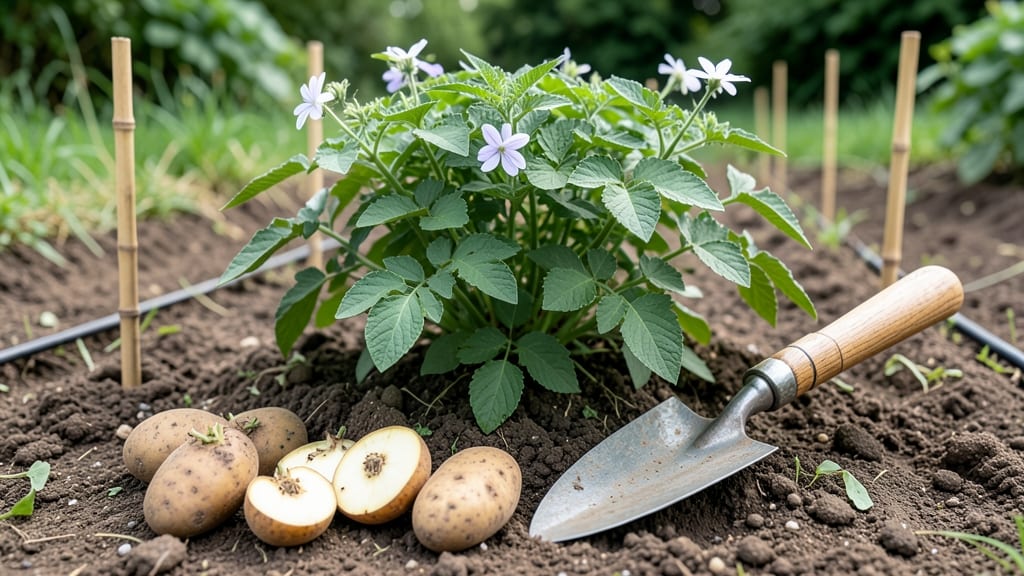
Planting potatoes at the wrong time in Australia can turn your 🥔 dreams into a soggy mess—or worse, a total flop. Unlike temperate climates, Australia’s diverse zones mean frost isn’t the only enemy; heat stress and regional microclimates play just as big a role in your harvest’s fate.
If you’ve ever wondered why your neighbor’s potatoes thrive while yours struggle, the answer likely lies in timing. Whether you’re in Queensland’s subtropical warmth or Victoria’s cooler highlands, knowing the exact window to plant makes all the difference between a bountiful harvest and wasted effort.
In this guide, I’ll break down the ideal planting months for every Australian state, including how to adjust for early vs. late varieties. You’ll learn how to avoid common mistakes—like planting too early and risking blight or too late and missing the sweet spot for tuber growth.
By the end, you’ll have a clear, regional-specific plan to time your potato planting perfectly—so you can dig up gold instead of disappointment. Let’s get those spuds in the ground the right way!
Australia’s potato planting zones by state: frost-free timing guides
Australia’s climate varies dramatically from state to state, making potato planting a regional game. In cooler southern states like Victoria and Tasmania, you’ll plant potatoes in autumn (March–May) to avoid frost, while tropical Queensland allows year-round planting with spring (August–September) being ideal.
Even within states, microclimates mean your neighbor’s perfect timing might fail for you.
Soil temperature is your secret weapon—potatoes need 10–15°C soil temps to sprout. Use a soil thermometer to check depth (10cm down). In NSW and SA, aim for planting when daytime highs hit 20°C to balance growth and disease risk.
Meanwhile, Western Australia’s Mediterranean climate lets you plant in late winter (August) for spring harvests.
Here’s how each state’s climate dictates your potato planting window:
| State | Best Planting Window | Soil Temp Requirement | Frost Risk | Harvest Window |
|---|---|---|---|---|
| New South Wales (NSW) | March–April (autumn) or August–September (spring) | 10–15°C (avoid below 8°C) | High (June–August) | September–November (autumn) or February–April (summer) |
| Victoria (VIC) | March–May (autumn) or August (early spring) | 12–16°C (frost-sensitive) | Very High (May–September) | October–December (spring) or March (summer) |
| Queensland (QLD) | Year-round (best: August–October or February–March) | 15–25°C (avoid >30°C) | Low (rare) | November–January (spring) or May–July (winter) |
| Western Australia (WA) | August–September (late winter) or March (autumn) | 10–14°C (Mediterranean climate) | Moderate (June–August) | October–December (spring) or February (summer) |
| South Australia (SA) | March–April (autumn) or August (spring) | 11–15°C (dry regions need extra moisture) | Moderate (May–September) | September–November (spring) or February (summer) |
| Tasmania (TAS) | March–April (autumn) or September (spring) | 10–13°C (cool maritime climate) | High (June–August) | October–December (spring) |
In NSW and Victoria, frost is the biggest enemy—plant too early, and your tubers will freeze before harvest. I once lost a crop in Melbourne’s June frost because I planted in late winter instead of waiting for autumn.
Use frost cloth if you’re pushing the envelope, but it’s better to wait.
For Queensland growers, heat stress is the challenge. Plant in spring or autumn to avoid summer’s 30°C+ soil temps, which cause hollow hearts (a common potato deformity).
Mulch heavily with straw or lucerne hay to keep roots cool. In WA’s drier regions, focus on moisture retention—plant deeper (15cm) and use drip irrigation.
Tasmania’s cool climate means you can plant earlier than most, but September plantings often yield better because they avoid late-spring rains that promote blight. Test your soil’s pH (5.0–6.5 ideal)—Tasmanian soils can be acidic from rainfall, stunting growth.
Pro tip: Use seed potatoes certified for your state—NSW’s “Kennebec” thrives in cool climates, while QLD’s “Bonita” handles heat better. Check your local Department of Agriculture guidelines for disease-resistant varieties.
How to adjust planting dates for early vs. late potato varieties
Choosing the right potato variety isn’t just about taste—it’s about aligning harvest times with your region’s climate. In Australia, first-early varieties like ‘Rocket’ or ‘Nadine’ mature in 90–100 days, while maincrop varieties like ‘Desiree’ or ‘Bonita’ take 120–150 days. Your planting window shifts dramatically based on these timelines.
For example, in temperate zones like Victoria or Tasmania, I plant first-early varieties in late August to harvest by mid-November, avoiding summer heat stress. Meanwhile, maincrop varieties go in early September for a January–February harvest, timing them to miss peak blight season.
In subtropical Queensland, the game changes entirely. Here, I can plant first-early varieties in March–April for a June–July harvest, leveraging cooler winter months. Late varieties? They’re risky—unless you’re in higher-altitude areas like the Granite Belt, where I might try them in May for a September–October pick.
| Variety Type | Ideal Planting Window | Harvest Window | Best For |
|---|---|---|---|
| First-Early | Late Aug–Sept (temperate) / Mar–Apr (subtropical) | Nov–Dec (temperate) / Jun–Jul (subtropical) | Quick harvests, summer crops |
| Second-Early | Early Sept–Oct (temperate) / Apr–May (subtropical) | Dec–Jan (temperate) / Aug–Sep (subtropical) | Staggered harvests, blight avoidance |
| Maincrop | Early Sept (temperate) / May–Jun (high-altitude) | Jan–Feb (temperate) / Sep–Oct (high-altitude) | Storage potatoes, large yields |
Staggering plantings is my secret weapon for continuous harvests. For instance, in New South Wales, I’ll plant first-early varieties in late August, then second-early in mid-September, and maincrop in early October. This ensures I’m eating homegrown spuds from November through February without gaps.
Pro tip: Always check your last frost date (even in Australia’s warmer zones) and add 2–3 weeks before planting early varieties. In Perth’s Mediterranean climate, I delay until early September to avoid unpredictable winter rains that can rot tubers before harvest.
If you’re new to this, start with one variety per season and track your results. I failed miserably with maincrop potatoes in Brisbane until I realized the summer heat caused hollow hearts.
Now, I stick to first-early varieties there and save maincrops for cooler highland areas like Mount Tamborine.