
Plants
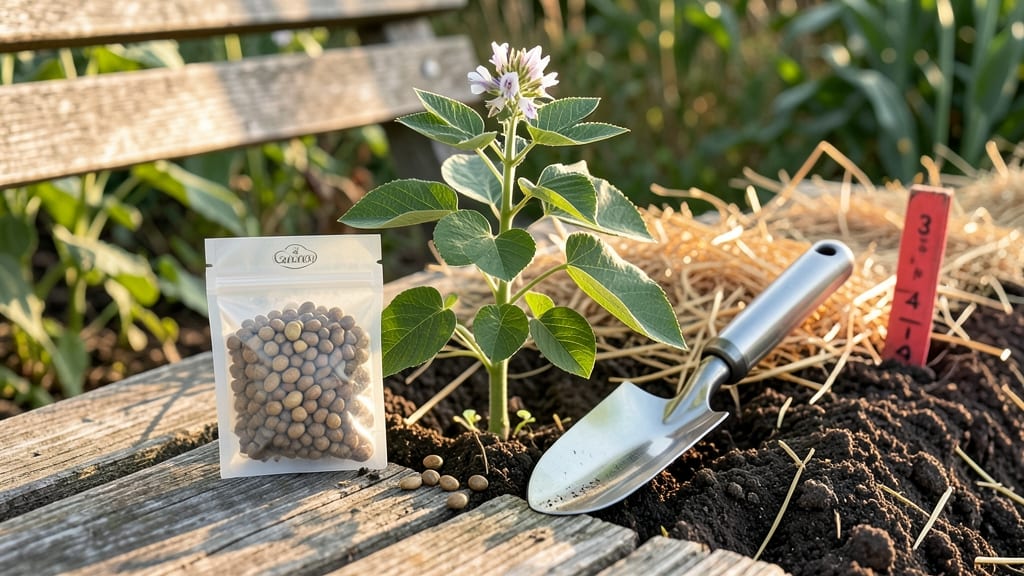
Planting soybeans in Alabama at the right time can mean the difference between a bountiful harvest and wasted effort—because even a few weeks off can stress your plants before they’ve had a chance to thrive.
With Alabama’s USDA zones 7b-8b offering a long growing season, you’ve got a prime opportunity, but knowing when to drop those seeds is the key to success.
Most gardeners in the state plant soybeans between April and June, aligning with soil temperatures of at least 60°F—a critical threshold for germination. But here’s the catch: timing varies slightly between northern and southern Alabama, where frost risk and summer heat play different roles.
Whether you’re in the cooler hills or the warmer Black Belt, getting the window right ensures your 🌱 soybeans grow strong and avoid heat stress or early frost damage.
In this guide, I’ll break down the exact planting deadlines for your zone, how to adjust for Alabama’s microclimates, and the 5 warning signs you’re planting too early or late. You’ll also discover which soybean varieties handle Alabama’s heat best, so you can maximize your yield without the guesswork.
Ready to set your soybeans up for success? Let’s dive into the zone-specific deadlines and tips that’ll have your crop thriving from seed to harvest.
USDA zone-specific soybean planting deadlines in Alabama (with frost risk analysis)
Alabama’s USDA zones 7a-8b create a diverse planting landscape, where frost risk and soil temperature dictate your soybean schedule. In northern Alabama (7a), the last frost typically occurs around March 15, while southern Alabama (8b) can plant as early as February in microclimates.
However, soybeans need soil temps of 60°F+ to germinate—waiting too long risks heat stress in summer.
For maximum yield, aim to plant between April and June, with May being ideal for most varieties. Early planting (March-April) works only in southern zones (7b-8b) where frost is rare, while northern Alabama growers should delay until after April 15 to avoid frost damage.
The critical "do not plant after" deadline varies by zone: June 15 for 7a and July 1 for 8b.
Here’s how Alabama’s microclimates impact your planting timeline:
| USDA Zone | Last Frost Date | Optimal Planting Window | Soil Temp Threshold | Critical Deadline |
|---|---|---|---|---|
| 7a (North AL) | March 15 | April 15 - May 15 | 60°F+ | June 15 |
| 7b (Central AL) | March 1 | April 1 - June 1 | 60°F+ | June 30 |
| 8a (South AL) | February 15 | March 15 - June 15 | 55°F+ | July 15 |
| 8b (Southeast AL) | January 31 | February 28 - July 1 | 55°F+ | August 1 |
Use a soil thermometer to confirm 60°F+ soil temps before planting—cold soil delays germination by 3-5 days. In northern Alabama (7a), early maturing varieties like 'AGS 440' (90-day maturity) are ideal, while southern zones (8a-8b) can handle heat-tolerant varieties like 'AGS 533' (110-day maturity).
Always check the Alabama A&M Extension’s frost alerts for real-time adjustments.
Missed the window? Summer planting is possible in southern Alabama (8a-8b) with short-season varieties, but yields drop by 20-30%. For northern zones (7a-7b), summer planting risks heat stress and pod abortion. If you must plant late, choose drought-tolerant varieties and mulch heavily to retain moisture.
Pro tip: Direct-seed soybeans at 1-1.5 inches deep for best germination. Avoid transplanting—soybeans hate root disturbance. In humid Alabama summers, use fungicide-treated seed to prevent Phytophthora root rot, a common issue in southern zones.
Track your local frost risk using the Alabama Climate Toolkit (available at www.auburn.edu), which provides hyper-local frost forecasts. For example, Montgomery (7a) may see frost in early April, while Mobile (8b) rarely drops below 40°F after February.
Adjust your planting date 2-3 weeks earlier if your area has a history of late frosts.
Remember: Soybeans need 90-120 days to mature. Planting in late May-June in northern Alabama risks harvest before first frost (Nov 15). Use a harvest maturity calculator (like the one from University of Georgia Extension) to pick the right variety for your zone.
🌱
How to adjust planting dates for Alabama’s microclimates (coastal vs. northern regions)
Alabama’s diverse geography means your soybean planting dates should vary depending on whether you’re in the humid coastal regions or the hotter northern hills.
Coastal areas like Mobile and Baldwin County often experience delayed planting due to lingering moisture, while northern zones like Madison or Jackson County face earlier heat stress. Adjusting your timeline by even 1-2 weeks can prevent stunted growth or heat damage.
For northern Alabama (USDA zones 7a-7b), where last frost averages March 15, aim to plant AGS 440 or AGS 430 varieties between mid-April and early May. These early-maturing types handle cooler soils better and avoid the brutal July-August heat that can stress soybeans.
In contrast, southern Alabama (zones 8a-8b) can safely plant heat-tolerant varieties like AGS 533 as late as mid-June, thanks to longer frost-free seasons.
🌱 Coastal gardeners should wait until soil temperatures hit 65°F+ (cooler soils slow germination) and monitor humidity—excess moisture can lead to fungal diseases. Use raised beds or well-draining soil if your area stays soggy into spring.
Meanwhile, northern growers should prioritize shade cloth or afternoon watering to protect seedlings from sudden heat spikes after planting.
| Region | USDA Zone | Best Varieties | Planting Window | Key Adjustment |
|---|---|---|---|---|
| Northern Alabama | 7a-7b | AGS 440, AGS 430 | Mid-April to May 15 | Wait for soil >60°F; avoid July heat |
| Coastal Alabama | 8a-8b | AGS 533, Hill | Late April to June 15 | Delay until soil >65°F; watch humidity |
| Black Belt | 8a | AGS 533, Bragg | May 1 to June 10 | Plant late to avoid early heat stress |
Rainfall patterns also dictate your planting strategy. Use the Alabama A&M Extension’s rainfall maps to predict delays—if your area gets 3+ inches of rain in a week, wait until the soil dries to 1 inch deep before sowing.
In drier northern zones, drip irrigation can help maintain consistent moisture during germination. For coastal areas, mulching with straw reduces fungal risks from prolonged dampness.
Pro tip: Test your soil’s pH (ideal range: 6.0-7.0) before planting—Alabama’s clay soils often need lime amendments to prevent nutrient lockout. Northern regions may also benefit from compost top-dressing to improve drainage.
By tailoring your approach to your microclimate, you’ll give your soybeans the best shot at thriving despite Alabama’s unpredictable weather.
💧 Final tip: Bookmark the National Weather Service’s Birmingham or Mobile forecasts for real-time adjustments. If a heatwave is predicted within 2 weeks of planting, opt for shade-tolerant varieties or use row covers until seedlings establish roots.