
Plants
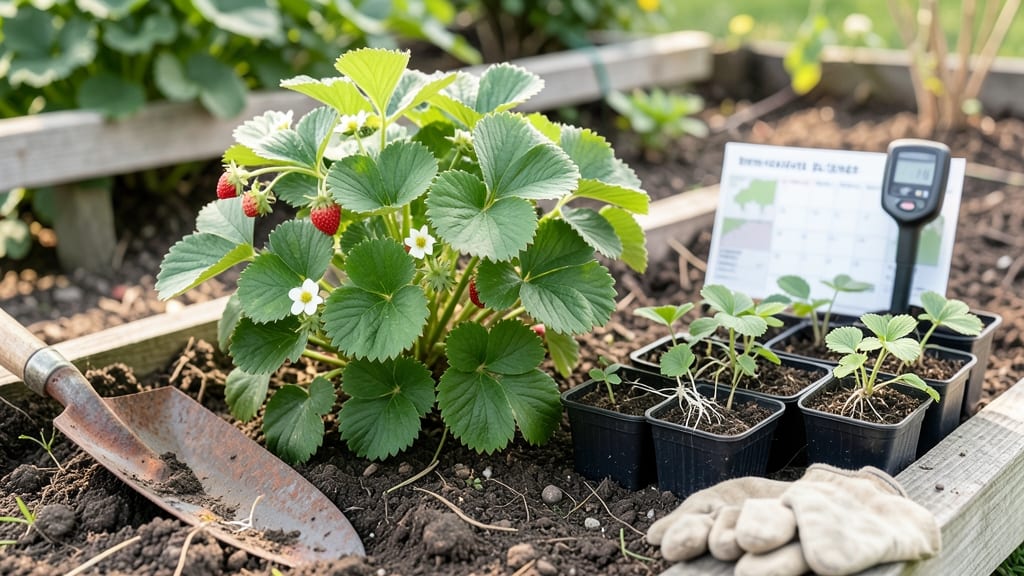
Planting strawberries in Kansas at the wrong time can mean the difference between a bountiful harvest of sweet 🍓 and struggling plants that never quite thrive. With the state’s variable climate—from USDA Zone 5b to 7a—getting the timing right is critical for strong root establishment and fruit production.
Most Kansas gardeners swear by early spring planting in March or April, when soil temperatures warm enough to support growth but frost risks are still manageable.
But late summer or early fall (July-August) also offers a prime window for planting, especially for varieties that need time to establish before winter.
Whether you’re a first-time grower or a seasoned gardener, understanding these two key planting windows will help you avoid common mistakes like weak roots or delayed fruiting. I’ll break down the best approach for your specific Kansas region, plus soil prep tips to set your strawberries up for success.
Ready to grow juicier, healthier strawberries? Let’s dive into the exact timing and techniques that work best for Kansas gardens—so you can enjoy homegrown berries from spring through fall.
Best planting times for strawberries in Kansas: spring vs. fall breakdown
Kansas gardeners have two prime windows to plant strawberries: early spring or late summer/fall, each with distinct advantages for our USDA zones 5b-7a.
The key is matching your timing to soil temperatures and frost risks—plant too early, and your strawberries may suffer from cold damage; too late, and they won’t establish strong roots before winter.
Let’s break down the best strategies for March-April spring planting and July-August fall planting, tailored to Kansas City, Wichita, and Topeka’s microclimates.
For spring planting, aim for 4-6 weeks before your last frost date (typically March 15-April 15). This gives plants time to develop roots before the heat of summer.
In western Kansas (zones 6-7a), you can plant slightly earlier (late February-early March), while eastern Kansas (zones 5b-6a) should wait until mid-to-late March to avoid frost damage. Soil temperatures should ideally reach 40-50°F at planting time.
Fall planting, however, offers a longer harvest window the following year.
Plant 6-8 weeks before your first frost (typically July 15-August 15), ensuring plants have time to establish roots before winter. Northern Kansas (zones 5b-6a) should plant by early August, while southern Kansas (zones 6b-7a) can extend planting until mid-August.
Fall-planted strawberries often produce larger berries the following season because they focus on root growth instead of fruiting.
🌱 Did You Know? Kansas’ clay-heavy soils can delay soil warming in spring. Use a soil thermometer to confirm temperatures are above 40°F before planting—cold soil slows root development and increases disease risk.
| Planting Window | Ideal Soil Temp | Frost Risk | Best Varieties | Harvest Window |
|---|---|---|---|---|
| Spring (March-April) | 40-50°F | Low (after last frost) | June-bearing (e.g., Jewel, Chandler) | May-July |
| Fall (July-August) | 50-60°F | Moderate (before first frost) | Ever-bearing (e.g., Seascape, Ozark Beauty) | August-October (next year) |
🌱 Pro Tip: Use black plastic mulch in spring to warm soil faster and extend the growing season.
If you’re in Wichita or western Kansas, prioritize fall planting—the hotter, drier summers make spring planting riskier. Meanwhile, Kansas City and eastern regions can successfully plant in both seasons, thanks to cooler springs and longer growing seasons.
For container gardening, fall planting is often easier because you can move pots to sheltered areas before winter.
One critical mistake Kansas gardeners make is planting June-bearing varieties in fall—they’ll try to fruit before winter, weakening the plant. Instead, opt for ever-bearing or day-neutral varieties in fall, which focus on root growth.
For spring planting, June-bearing varieties are ideal because they’ll produce a heavy crop in their first fruiting season.
To extend your harvest, consider successive planting: plant a small batch in spring for early berries and another in late summer for a fall crop. Just be sure to space plants 18-24 inches apart to allow airflow and reduce disease risk—a common issue in Kansas’ humid summers.
With the right timing, you can enjoy homegrown strawberries from May through October!
For urban gardeners, raised beds or containers work well—just ensure they have 6-10 hours of sun and use well-draining soil mixes to prevent root rot. Mulch heavily with straw or wood chips to retain moisture and regulate soil temperature, especially in Kansas’ hot summers and cold winters.
How to prepare Kansas soil for strawberry planting: soil tests, amendments, and mulching tips
Kansas’ clay-heavy, alkaline soils can be a challenge for strawberries, which thrive in slightly acidic, well-draining soil. Before planting, I always test my soil’s pH—aim for a range of 5.5-6.5.
You can grab a DIY soil test kit from your local garden center or send a sample to K-State Research and Extension for a detailed analysis. If your soil is too alkaline (common in Kansas), amend it with sulfur or peat moss to lower the pH gradually over time.
Next, focus on improving drainage and organic matter. Strawberries hate soggy roots, so I mix in compost or well-rotted manure to loosen the clay and improve water retention. For raised beds, blend 50% native soil with 50% compost—this creates the perfect lightweight, nutrient-rich medium.
If you’re planting in-ground, work 2-3 inches of compost into the top 6-8 inches of soil before setting your strawberries.
🌱 Pro Tip: Kansas’ hot summers can dry out soil quickly. To combat this, I always add 1-2 inches of mulch right after planting. Use straw or shredded leaves—they’ll retain moisture, suppress weeds, and keep roots cool. Avoid wood chips, as they can raise soil pH over time.
🌱 Step-by-Step Soil Prep Checklist
- ☑️ Test soil pH (aim for 5.5-6.5)
- ☑️ Amend with compost (2-3 inches mixed in)
- ☑️ Loosen clay soil with a garden fork or tiller
- ☑️ Add sulfur if pH is above 7.0
- ☑️ Mulch heavily with straw or leaves
- ☑️ Space plants 18-24 inches apart for airflow
✂️ Why It Works: Loose, acidic soil + mulch = healthier roots and bigger berries!
For container gardening, use a mix of 50% potting soil, 30% compost, and 20% perlite to ensure drainage. I’ve had great success with 5-gallon buckets—just drill drainage holes in the bottom and place them on saucers.
Containers warm up faster in spring, so I often plant my spring strawberries 2-3 weeks earlier than in-ground plants.
One common mistake I see is skipping soil prep entirely. Strawberries are light feeders but need consistent nutrients. If your soil is poor, your plants will struggle even with perfect timing.
I always side-dress with compost mid-season to give my strawberries a boost. For organic fertilizer, use a balanced 10-10-10 or a fish emulsion every 4-6 weeks during the growing season.
Finally, rotate your planting location every year to prevent soil-borne diseases like verticillium wilt, which thrives in Kansas’ humid summers. If you must replant strawberries in the same spot, wait at least 3 years to let the soil recover.
With the right soil prep, your Kansas strawberries will thrive year after year, giving you sweeter, juicier berries with minimal effort.
For urban gardeners with limited space, consider hanging baskets or vertical planters. Just ensure they get 6+ hours of sun daily and use a well-draining mix. With these soil prep tips, you’ll set your strawberries up for successful growth—no matter where you garden in Kansas! 🌱