
Plants
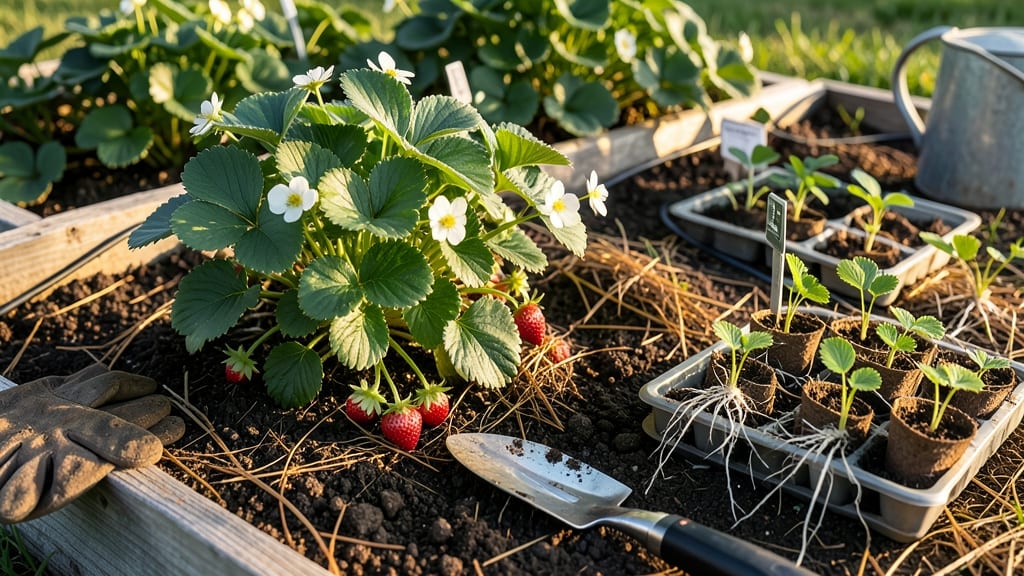
Planting strawberries in Florida isn’t just possible—it’s a year-round opportunity, but timing is everything for the best harvests. Unlike northern gardens, Florida’s 9a-11 zones let you grow 🍓 in every season, but rushing it can lead to heat stress or disease.
The key? Planting during cooler months when roots establish before summer’s intensity.
Most Florida gardeners swear by fall and winter as the sweet spot for strawberries, but summer plantings work too—if you choose heat-tolerant varieties like Chandler or Camarosa. The trick is avoiding June’s brutal heat and hurricane season disruptions, which can wash out young plants.
With the right prep, you can stretch harvests from February to November.
I’ll break down the exact months to plant in your specific Florida zone, plus soil prep secrets to beat humidity and pests. Whether you’re a first-timer or a seasoned grower, these strategies will help you skip the guesswork and enjoy juicy, homegrown strawberries all year.
Ready to turn your Florida garden into a strawberry powerhouse? Let’s dive into the calendar that’ll make your harvests predictable—and delicious.
Florida’s 3 strawberry planting zones: when to plant by region
Florida’s climate is unique—no frost zones mean you can grow strawberries year-round, but timing still matters. The state’s three distinct zones (North, Central, and South) each have ideal planting windows to avoid heat stress or hurricane season disruptions. Let’s break down the best times for each region.
In North Florida (USDA Zones 8a-9a), cooler winters and occasional light frosts (rare but possible) make fall and early spring the sweet spot. Central Florida (Zones 9a-9b) enjoys milder winters, allowing winter and summer plantings with shade protection.
Meanwhile, South Florida (Zones 10a-11) thrives with year-round plantings, but summer heat requires extra care.
| Zone | Best Planting Months | Key Considerations | Recommended Varieties |
|---|---|---|---|
| North Florida (8a-9a) | September-October (fall) & February-March (spring) | Avoid summer heat; use mulch for winter protection | Chandler, Camarosa, Sweet Charlie |
| Central Florida (9a-9b) | November-December & May-June (with shade) | Summer plantings need 50% shade cloth to prevent sunburn | Florida Belle, Seascape, Fortuna |
| South Florida (10a-11) | Year-round (avoid July-August peak heat) | Use drip irrigation to conserve water; watch for pests | Sweet Charlie, Camarosa, Oso Grande |
For June-bearing varieties (like Chandler), plant in fall for a spring harvest or early spring for fall fruiting. Everbearing varieties (e.g., Seascape) produce fruit in both seasons but need consistent moisture.
In North Florida, September-October plantings avoid winter chill, while Central and South Florida gardeners can stretch plantings into late spring with shade.
One critical mistake? Planting in July-August without shade. Summer heat causes sunburn on leaves and poor fruit set. Instead, opt for heat-tolerant varieties like ‘Sweet Charlie’ and use 30-50% shade cloth during peak afternoon sun.
South Florida gardeners can push boundaries with year-round plantings, but always monitor soil moisture—drip irrigation is a game-changer.
Pro tip: Test your soil’s pH (5.5-6.5) before planting. Florida’s sandy soils often need compost or peat moss to retain moisture and nutrients. Add 2-3 inches of organic mulch (straw or pine needles) to keep roots cool and suppress weeds.
This is especially crucial in Central and South Florida, where summer heat dries out soil quickly.
If you’re in North Florida, don’t overlook winter mulching. Even light frosts can stress plants, so cover beds with straw or black plastic in December-January. For Central and South Florida, focus on shade and irrigation—these are your biggest allies for summer success.
With the right timing and care, you’ll enjoy sweet, juicy strawberries nearly year-round!
🌱 Ready to plant? Start with bare-root plants in fall or potted seedlings in spring. Avoid transplanting during hurricane season (June-November)container gardening if you’re in coastal areas for extra flexibility.
Month-by-month strawberry planting calendar for Florida gardens
Florida’s year-round growing potential means you can plant strawberries in nearly every month—but not all times are equal. My month-by-month calendar reveals the optimal windows for planting, based on temperature, humidity, and hurricane risks. For example, September-October is prime for fall plantings, while February-March sets you up for spring harvests.
Each month brings unique challenges: June’s heat can scorch young plants, while hurricane season (June-November) demands extra prep. I’ll show you how to work with Florida’s quirks to get consistent harvests from February through November.
Let’s break it down by month so you can pick the perfect timing for your garden.
- 1 January-February: Best time for fall-planted varieties. Soil is cool, and humidity is low, reducing disease risks. Ideal for June-bearing types like Chandler.
- 2 March-April: Prime window for everbearing varieties. Temperatures are mild (70-80°F), and rain is less intense. Perfect for Florida Belle or Sweet Charlie.
- 3 May: Risky but possible with shade cloth (30-50% coverage). Use drip irrigation to avoid leaf burn. Best for heat-tolerant varieties like Camarosa.
- 4 June-August: Avoid planting due to extreme heat (often above 90°F). If you must, use black plastic mulch to protect roots and water twice daily.
- 5 September-October: Best fall planting window. Soil stays warm enough for root growth but cools for flowering. Pair with companion plants like borage to deter pests.
- 6 November-December: Winter planting works for cool-season varieties. Use row covers if nights dip below 50°F. Harvests start as early as February.
Timing isn’t the only factor—soil prep and variety choice matter just as much. For example, planting June-bearing varieties in September gives you a spring harvest, while everbearing types planted in March produce two harvests (spring and fall).
I’ll cover these strategies in the next section, but first, let’s tackle the critical deadlines you can’t miss.
One non-negotiable rule in Florida: Never plant during hurricane season (June-November) without hurricane ties or raised beds. I’ve seen entire strawberry beds lost to flooding—don’t let that happen to you.
Instead, focus on September-October for fall plantings or January-February for spring harvests. These windows give your plants 6-8 weeks to establish roots before summer’s intensity.
For container growing, adjust your timeline slightly: plant 2-4 weeks earlier than in-ground beds since pots dry out faster in Florida’s heat. Use well-draining mixes with perlite and coco coir to prevent root rot. Containers also let you move plants to shadier spots during peak summer heat.
Ready to pick your planting month? Bookmark this calendar and mark your soil prep dates now. The sooner you plan, the sooner you’ll be enjoying homegrown strawberries—no matter which Florida zone you’re in. 🍓