
Plants
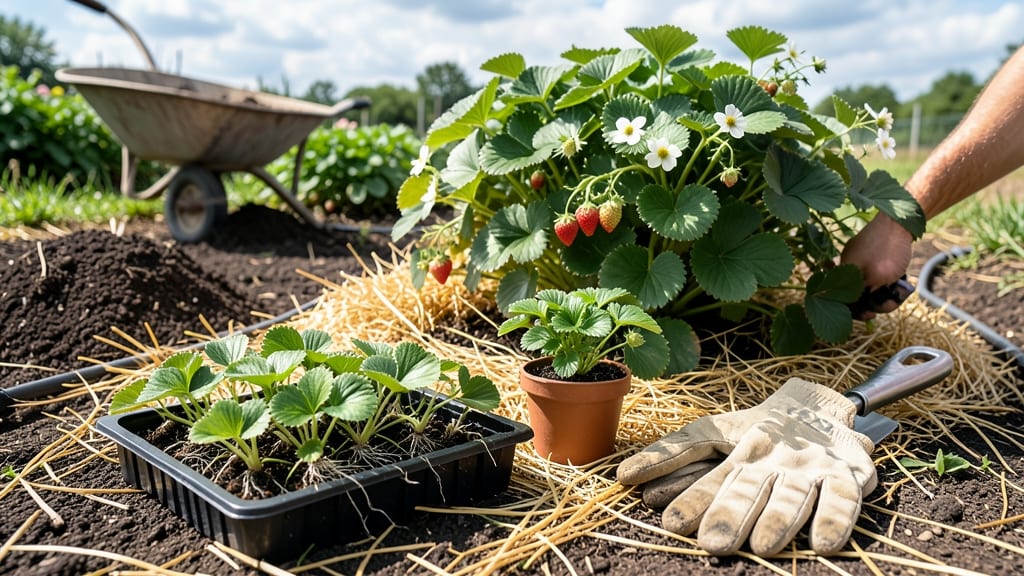
Planting strawberries in Tennessee at the wrong time can mean the difference between a bountiful harvest of juicy 🍓 and a sad, frost-nipped disappointment. With last-frost dates shifting from mid-April in the mountains to late March in West Tennessee, timing is everything—and getting it right depends on your specific microclimate.
Whether you're in the cooler Appalachian foothills or the warmer Memphis Delta, knowing when to plant ensures your strawberries thrive. I’ll walk you through the exact windows for both spring and summer planting, so you can avoid frost damage and maximize sweet, ripe berries by May or September.
You’ll also discover which strawberry varieties handle Tennessee’s 6a-7b climate best, plus pro tips for extending your growing season with mulch or cold frames. Let’s get those plants in the ground at the perfect moment!
Ready to turn your garden into a strawberry paradise? The key starts with the calendar—and I’ve got the region-specific dates to make it foolproof.
Tennessee strawberry planting dates by microclimate Zone (avoid frost risk)
Planting strawberries in Tennessee requires precision—your last frost date can vary by 100+ miles, depending on whether you're in the Appalachian foothills or the Memphis Delta.
I’ve broken down the optimal planting windows for each region, so you can time your spring or fall planting to avoid frost damage and maximize berry production.
For East Tennessee (USDA Zones 6a-6b), like Knoxville or Chattanooga, the last average frost date is around April 15. This means your best planting window is March 1–April 15, with soil temperatures above 40°F.
In Middle Tennessee (Zones 6b-7a), such as Nashville, you can plant February 15–March 30, while West Tennessee (Zones 7a-7b), like Memphis, allows January 15–March 15.
Here’s the visual breakdown of planting dates by region, including soil temperature thresholds and frost risk:
| Region | USDA Zone | Last Frost Date | Best Planting Window | Soil Temp Threshold |
|---|---|---|---|---|
| East Tennessee | 6a-6b | April 15 | March 1–April 15 | 40°F+ |
| Middle Tennessee | 6b-7a | March 30 | February 15–March 30 | 45°F+ |
| West Tennessee | 7a-7b | March 15 | January 15–March 15 | 50°F+ |
If you’re planting in late summer for a fall harvest, aim for July 1–August 15 across all regions.
This gives strawberries time to establish roots before first frost, which typically hits Mid-October in East Tennessee and Late October in West Tennessee. Everbearing varieties, like Seascape, thrive with this approach, producing two harvests per year.
For June-bearing varieties, such as Chandler, stick to spring planting only.
These varieties need chilling hours (300–500) during winter to fruit well, so planting in fall won’t yield the same results. Day-neutral varieties, like Albion, are more flexible and can handle both spring and fall plantings.
Pro tip: Use a soil thermometer to confirm soil temperatures before planting. Strawberries struggle in cold, wet soil, which can rot crowns. If your soil is below 40°F, wait 1–2 weeks or use black plastic mulch to warm the soil faster.
This is especially critical in East Tennessee’s cooler microclimates, where late frosts can linger into May.
Don’t overlook microclimate variations within your region. For example, higher elevations in Great Smoky Mountains areas may have last frosts 2–3 weeks later than valley towns. Check your local cooperative extension office for hyper-local frost data, or use the National Weather Service’s frost prediction maps to fine-tune your timing.
For urban gardeners in Nashville or Memphis, consider container planting to extend your season. Containers warm up faster in spring and can be moved to protected spots if frost threatens. Just ensure your pots have drainage holes and use lightweight potting mix to prevent root rot.
Finally, mark your calendar for Tennessee’s peak strawberry months: May–June for spring plantings and September–October for fall plantings. With the right timing, you’ll enjoy sweeter, juicier berries and avoid the heartbreak of frost-nipped plants.
How to extend strawberry season in Tennessee using cold frames and mulching
Tennessee’s unpredictable spring nights—where frost can linger until mid-April in the mountains—often mean strawberries planted too early suffer. But with the right tricks, you can push planting dates earlier by 2-4 weeks or even extend fall harvests.
Cold frames and mulching are my top tools for beating Tennessee’s frost risk and giving you earlier berries or a second harvest in fall.
Cold frames act like mini greenhouses, trapping heat from the sun and raising soil temperatures by 5-10°F. This lets you plant 4-6 weeks before the official last-frost date, especially in East Tennessee’s cooler zones.
For example, in Johnson City (Zone 6a), you might start planting as early as late February under a cold frame, compared to mid-March for in-ground planting.
Mulching, on the other hand, protects roots from temperature swings and retains moisture. Straw mulch is my go-to because it insulates soil while allowing airflow to prevent rot. Apply a 3-4 inch layer after planting, and you’ll see faster root establishment and fewer frost-damaged plants.
Black plastic mulch is another option—it warms soil faster but requires more maintenance to prevent overheating.
📌 Pro Tip: Combine both methods for maximum protection. Use a cold frame to start plants early, then transfer them to mulched beds once soil temperatures stabilize. This two-step approach can extend your harvest window by up to 6 weeks in Tennessee’s shorter growing season.
Use a low-profile cold frame (12-18 inches tall) with clear plastic or glass. Place it on south-facing slopes to maximize sun exposure. Fill with a mix of 50% compost and 50% potting soil to retain heat.
Apply straw mulch in early April (after last frost risk) or black plastic in late March for soil warming. Remove plastic in May to avoid overheating roots.
Use floating row covers on nights when temps drop below 32°F. Secure edges with bricks or soil to prevent wind damage. Remove covers during the day for pollination.
Plant only when soil temps reach 45°F (use a soil thermometer). In West Tennessee, this is usually early March; in East Tennessee, wait until mid-April.
For summer planting, mulching is equally critical. After planting in July or August, apply mulch to insulate roots from late-summer heat and keep soil moist during Tennessee’s dry spells. This helps everbearing varieties like 'Seascape' produce a fall harvest in September or October, just before first frost.
Don’t overlook the power of shade cloth during peak summer either. In the Memphis area (Zone 7b), strawberries planted in late July can scorch if exposed to 90°F+ temps. A 30% shade cloth over new plants for the first 2 weeks reduces stress and boosts survival rates.
With these techniques, you can turn Tennessee’s short growing season into a year-round strawberry advantage. Start with cold frames for early spring, mulch for summer protection, and you’ll be harvesting berries 3 months longer than the average gardener. 🌱