
Planting
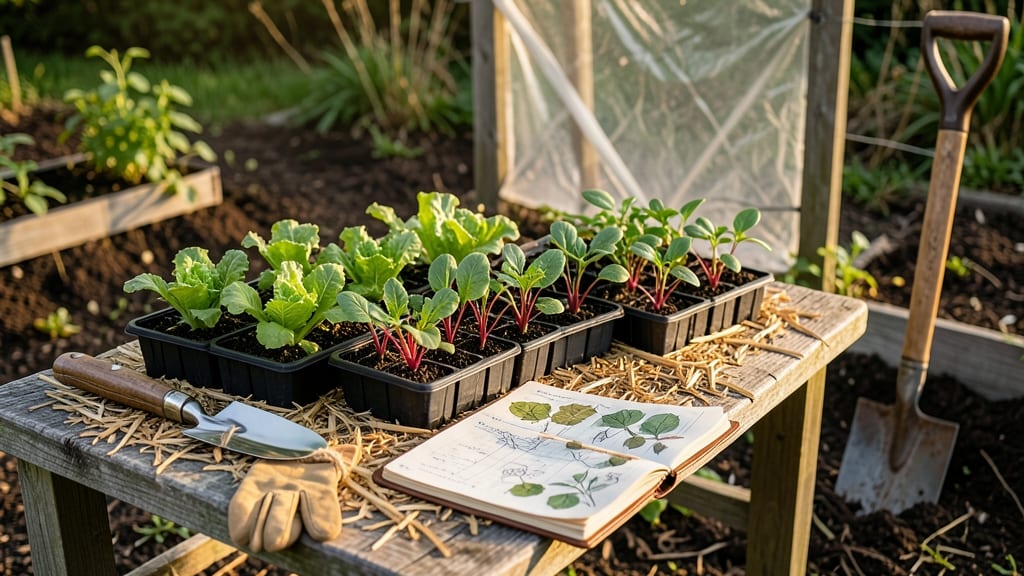
Planting your garden in East Tennessee at the wrong time can turn your hard work into frost-bitten disappointment—especially when those mountain chill and valley humidity collide.
The key to success isn’t just knowing what to plant, but when to put those seeds in the ground for your 🌱 General Garden Plants (East Tennessee) to thrive.
With USDA Zones 6a-7a, you’ve got a narrow window between late March and early May for cool-season crops like spinach and peas, while warm-season lovers like tomatoes need to wait until after that last frost—usually mid-April.
But here’s the catch: timing varies between Knoxville’s urban heat and the Smoky Mountains’ cooler air.
I’ll break down the exact planting schedule for your region, so you can avoid common mistakes like bolting lettuce or stunted tomatoes. Whether you’re a seasoned gardener or just starting, these tips will help you maximize your harvest from spring to fall.
Ready to transform your garden from a gamble into a guaranteed success? Let’s dive into the perfect planting timeline tailored just for East Tennessee’s unique climate.
East Tennessee planting zones: when to start cold-hardy crops for maximum yield
East Tennessee spans USDA Zones 6b-7a, where cold-hardy crops like peas, spinach, and potatoes thrive when planted at the right time.
The key is understanding your microclimate—whether you're in the cooler Smoky Mountains or the warmer Knoxville valleys—because even a few miles can shift your planting window by weeks.
For most of East Tennessee, the last average frost date falls around mid-April, but mountain areas can see frost as late as May 1st.
This means cold-hardy crops should start indoors 6-8 weeks before your target planting date, while hardy outdoor crops can go in the ground as early as late March in sheltered spots.
To maximize yield, I always test soil temperatures—cold-hardy crops like lettuce and kale grow best when soil is above 40°F. Use a soil thermometer to avoid planting too early, which can stunt growth or invite pests.
🌱 East Tennessee Cold-Hardy Planting Guide
| Crop | Start Indoors | Outdoor Planting Window | Season Extension Tip |
|---|---|---|---|
| Peas | Late February | Late March - Early April | Use row covers for earlier harvests |
| Spinach | Early March | Late March - Mid-April | Sow every 2 weeks for continuous harvest |
| Potatoes | Early March (chit sprouts first) | Mid-April (after last frost) | Plant in cold frames for earlier planting |
| Lettuce | Late February | Late March - Early May | Shade cloth for summer planting |
| Onions | Late March | Early April | Mulch heavily to retain moisture |
One of my favorite tricks for extending the season is using row covers or cold frames. These can push your planting window back by 3-4 weeks, letting you grow cool-season crops like broccoli and cabbage well into May or even June in mountain areas.
For perennial plants like asparagus or rhubarb, the best time to plant is in early spring (March-April) when the soil is workable but not frozen. These crops establish roots slowly, so giving them a head start in warmer soil ensures a stronger harvest in years to come.
Don’t forget about fall planting! Many cold-hardy crops like kale, radishes, and carrots can be sown as late as early September for a winter harvest. The cooler temperatures actually sweeten their flavor, making fall one of my favorite planting seasons.
If you're unsure about your exact frost dates, check the UT Extension Service or local Cooperative Extension offices—they provide hyper-local data that can save your garden.
For example, Johnson City averages a last frost on April 15th, while Gatlinburg might not see its last frost until May 1st.
For container gardening, cold-hardy crops can be planted 2-3 weeks earlier than in-ground plants because containers warm up faster. Just make sure to bury containers in the ground or wrap them in bubble wrap for extra insulation during chilly nights.
Finally, always keep an eye on the 10-day forecast before planting. A sudden cold snap can set back tender seedlings, so I never plant anything critical without checking the weather. When in doubt, start indoors—it’s the safest way to guarantee a head start on the growing season.
Heat-loving vegetables: the perfect East Tennessee planting timeline to avoid scorched crops
East Tennessee’s summer heat can turn your tomatoes and peppers into sad, wilted shadows if planted too early. The key is waiting until soil temperatures hit 60°F+—typically mid-May to early June—to give these heat-lovers the warm start they crave.
Skipping this step often leads to stunted growth or even death, especially in USDA Zones 6b-7a where nights can still dip chilly.
For tomatoes, aim to transplant seedlings after May 15th in most areas, but check your local last frost date.
In the Smoky Mountains, wait until June 1st to avoid late frosts. Peppers and okra are even more finicky—they need 70°F+ soil, so hold off until late May or early June unless you’re using black plastic mulch to warm the soil faster.
- 📅 Mid-May: Start tomato and pepper seeds indoors (6-8 weeks before last frost).
- 🌡️ Late May: Transplant seedlings when soil hits 60°F+ (use a soil thermometer!).
- ☀️ June 1st: Direct-sow okra and sweet potatoes in warm beds.
- 🌿 July-August: Succession plant beans and cucumbers every 2 weeks for continuous harvests.
- 🔥 Avoid planting before May 15th—cold soil stunts growth and invites disease.
Mulching is your secret weapon against blossom-end rot (a common tomato killer in East Tennessee’s fluctuating temps). Use straw or black plastic to keep soil consistently warm and moisture levels stable. For peppers, add a light shade cloth during July’s peak heat to prevent sunscald on fruits.
Even eggplants, which thrive in heat, benefit from afternoon shade in Zone 7a.
Watch for bolting in fast-maturing crops like bush beans—plant them in late May or early June to avoid the rush. If your tomatoes stop setting fruit in July’s heat, try hand-pollinating them with a small brush or give them a morning watering to boost humidity.
These tricks can double your yield when temps soar above 90°F.
Don’t forget about fall planting! In East Tennessee, you can sneak in a second crop of tomatoes or peppers by transplanting seedlings in early August. Choose fast-maturing varieties like ‘Early Girl’ tomatoes or ‘Jupiter’ peppers to harvest before the first frost (mid-October).
Just be ready to cover them with row covers if a cold snap sneaks in early.
Pro tip: Keep a planting journal to track what works in your microclimate. Some years, June 1st might be perfect for tomatoes, while others need a week later due to late frosts. Your garden’s success hinges on adapting to East Tennessee’s unpredictable transitions between spring chill and summer scorching.