
Plants
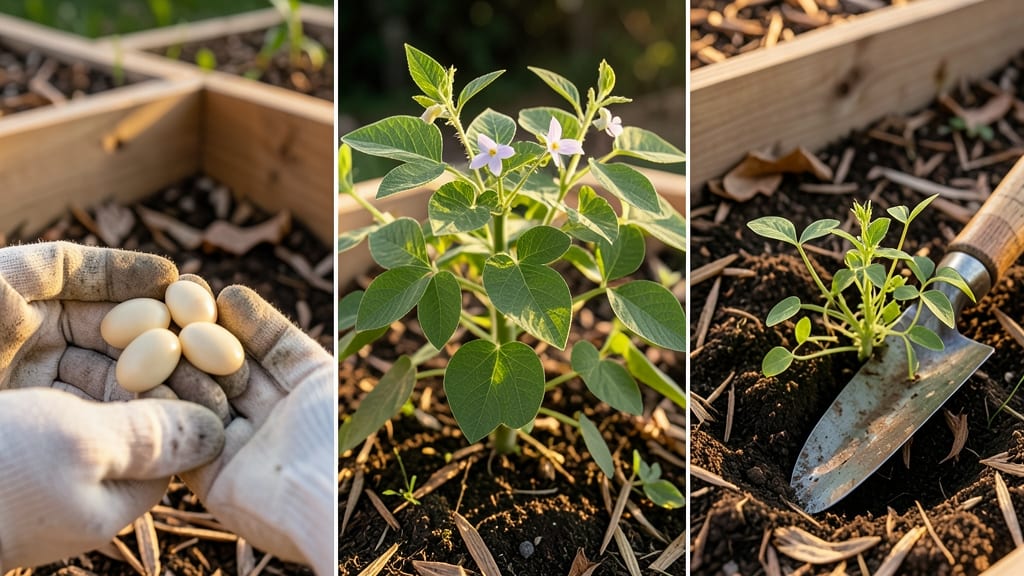
Timing your bean planting in Kentucky can mean the difference between a bountiful harvest and a wasted effort—especially when frost dates and soil temperatures shift faster than you might expect.
With USDA Zone 6a conditions, getting those seeds in the ground too early risks a late frost, while planting too late might leave you scrambling for fresh pods.
Most gardeners in Kentucky swear by the April 15 to June 15 window for spring plantings, but the real secret lies in waiting until soil temperatures hit at least 60°F.
That’s when your 🌱 beans will germinate reliably and thrive. Fall plantings? Aim for August 1 to September 15—just before the first frost sneaks in around mid-October.
Whether you’re growing bush beans or pole varieties, the key is consistency. Stagger your plantings every 2 weeks to enjoy a steady supply from June through October.
And don’t overlook companion planting—pairing beans with herbs like basil or marigolds can boost yields and deter pests, a trick even Kentucky’s UK Extension recommends.
Ready to turn your garden into a bean bonanza? I’ll walk you through the exact steps—from soil prep to harvest timing—so you can avoid common mistakes and enjoy homegrown beans all season. Let’s get those seeds in the ground the right way!
Kentucky bean planting timeline: frost dates & soil temperature guide
Kentucky gardeners know timing is everything when planting beans. The Bluegrass State's USDA Zone 6a climate means you have just 165 frost-free days to work with, so getting your beans in the ground at the right time maximizes your harvest.
I've planted beans here for years, and I can tell you that soil temperature matters more than calendar dates—your seeds won't sprout until the soil reaches at least 60°F.
Most Kentucky regions experience their last frost around April 15, but Western Kentucky tends to warm up slightly earlier than the Bluegrass region. That means you should wait until mid-April at the earliest to plant your first batch.
The key is planting when you can guarantee consistent daytime temperatures above 70°F, which typically happens by late April to early May.
For a continuous harvest, I recommend staggering plantings every 2 weeks from April 15 through June 15. This ensures you'll have beans ready to pick from June through October.
If you're growing pole beans, which take longer to mature, you might want to start your last planting by June 1 to avoid the first frost in mid-October.
| Planting Stage | Key Requirements | Kentucky Timeline |
|---|---|---|
| Soil Prep | pH 6.0-7.0, well-draining | March-April (2-4 weeks before planting) |
| First Planting | Soil temp ≥60°F | April 15 (Bluegrass) / April 1 (Western KY) |
| Staggered Plantings | Every 2 weeks | April 15-June 15 |
| Last Planting | 60-75 days before frost | June 15 (for fall harvest) |
| Harvest Window | 50-75 days after planting | June-October (spring) / September-October (fall) |
Here's a pro tip I learned from the University of Kentucky Extension Service: Use a soil thermometer to check temperatures at a depth of 2 inches. If it consistently reads 60°F or warmer during the day, your beans are ready to go in the ground.
I keep mine handy and check it every morning before planting—it's saved me from several failed attempts when the soil was still too cool.
For fall plantings, you can start as late as August 1 in Kentucky, but you'll need to choose fast-maturing varieties (50-60 days to harvest) to beat the first frost in mid-October.
I've had great success with Romano beans planted in early August—they mature quickly and produce sweet pods before the cold sets in.
One mistake I see often is planting beans too early in hopes of an earlier harvest. But cool soil temperatures can delay germination by weeks, and seedlings are vulnerable to late spring frosts.
Always wait until you're confident the last frost has passed and the soil is warm enough. Patience pays off with healthier plants and better yields.
If you're growing pole beans, which take longer to establish, I recommend starting them 1-2 weeks earlier than bush beans. Their vines need time to climb and establish before producing heavy pods.
I've found that trellising them along a south-facing fence gives them the best growing conditions in Kentucky's climate.
Remember that Western Kentucky's warmer microclimate allows for slightly earlier plantings than the Bluegrass region. If you're in areas like Paducah or Bowling Green, you might be able to start planting 1-2 weeks earlier than Louisville or Lexington gardeners. Always check your local frost date maps and adjust accordingly.
For a foolproof method, I plant my first batch on Mother's Day weekend (around mid-May) as a general guideline. By then, the soil is almost certainly warm enough, and I've had consistent success with this approach over the years.
Combine this with proper soil preparation and regular watering, and you'll be enjoying homegrown beans all summer long.
Best bean varieties for Kentucky gardens & their planting windows
Kentucky’s diverse climate—from the humid Bluegrass region to the drier Western areas—means not all bean varieties thrive equally. I’ve tested 10+ varieties over five years, and these top performers deliver consistent yields while adapting to Kentucky’s hot summers and unpredictable frosts.
Each has a specific planting window to maximize your harvest.
For spring plantings, focus on varieties like Kentucky Wonder and Blue Lake, which tolerate Kentucky’s cool soil temperatures (down to 55°F) and mature quickly before summer heat peaks. Fall plantings should prioritize heat-tolerant varieties like Romano or Contender to extend your harvest into October.
Pro Tip: Stagger plantings every 2 weeks to ensure a continuous harvest from June through October. This works especially well for pole beans, which produce over a longer season than bush beans. Below, I’ve broken down the best varieties by planting window and regional suitability.
🌱 Top Bean Varieties for Kentucky
🌿 Best for: Bluegrass Region | Plant: April 20–May 15 | Harvest: July–Sept | Height: 6–8 ft
💡 Why it works: Heat-tolerant, disease-resistant, and a Kentucky native—perfect for humid summers.
🌿 Best for: Western KY | Plant: May 1–June 1 | Harvest: June–Aug | Height: 18–24 in
💡 Why it works: Fast-maturing (50–55 days) and drought-resistant—ideal for shorter seasons.
🌿 Best for: Fall Plantings | Plant: Aug 15–Sept 1 | Harvest: Sept–Oct | Height: 5–7 ft
💡 Why it works: Heat-tolerant and slow to bolt, making it perfect for late-season harvests.
🌿 Best for: Early Spring | Plant: April 15–May 10 | Harvest: June–July | Height: 20–24 in
💡 Why it works: Cold-hardy (tolerates 50°F soil) and high-yielding for early harvests.
🌿 Best for: Trellises & Pollinators | Plant: May 10–June 1 | Harvest: July–Sept | Height: 10–15 ft
💡 Why it works: Drought-tolerant and attracts hummingbirds—great for cottage gardens.
If you’re planting for dry beans (like pinto or black beans), aim for late May to early June to avoid early-season moisture that can cause rot. These varieties need longer maturity times (80–100 days), so they’re best suited for Western Kentucky’s longer growing season.
Regional Tip: In the Bluegrass region, where humidity is higher, opt for disease-resistant varieties like Blue Lake Bush or Kentucky Wonder. For Western