
Plants
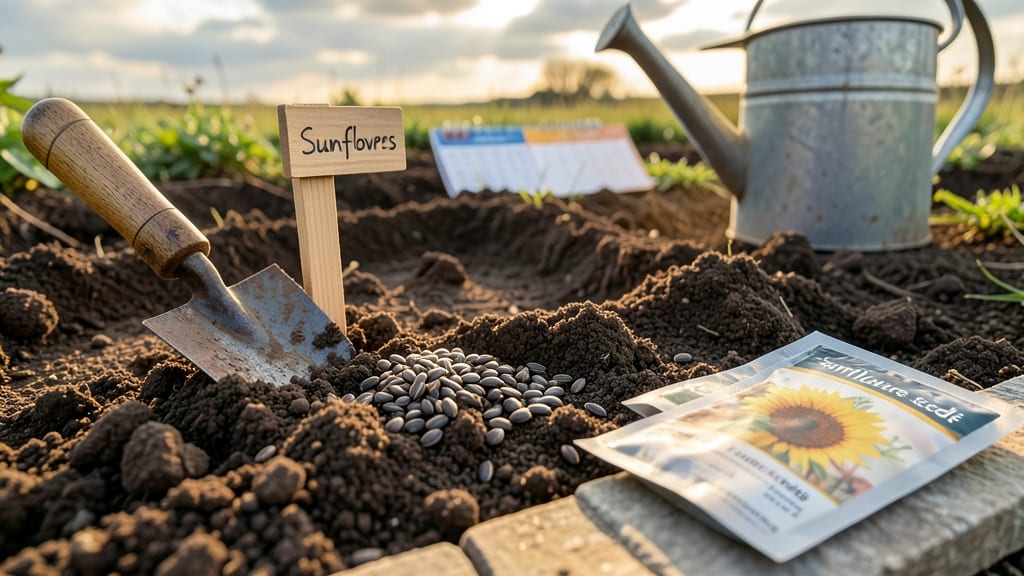
Planting sunflower seeds in Michigan at the wrong time can mean the difference between a 14-foot tower of golden blooms and a sad, frost-nipped failure. Since Michigan’s 5b-6b zones bring unpredictable frosts, timing your 🌻 seeds after the last frost—typically by mid-April—is the key to success.
Most gardeners in Michigan wait until late April or early June to sow sunflower seeds, once soil temperatures hit a steady 55°F. This ensures strong germination and gives your towering plants enough time to mature before the first frost hits in October.
But what if your spring is late? Or you’re growing giant varieties that need more time?
In this guide, I’ll break down the exact frost-free windows for Michigan’s zones, plus how to adjust for early or late planting. You’ll also discover the best sunflower varieties for your climate, how much sunlight they crave, and the simple watering routine that keeps them thriving from seed to harvest.
Ready to grow sunflowers that reach their full potential? Let’s dive into the planting schedule that works for Michigan’s unique growing season.
Michigan sunflower planting dates by USDA growing zone (with frost timeline)
Michigan’s USDA zones 4a-6b create a unique challenge for sunflower growers. The state’s 160 frost-free days mean you must plant seeds at the perfect moment—too early, and frost will kill tender sprouts; too late, and your 🌻 may not mature before winter.
Let’s break down the ideal planting windows for each zone, including soil temperature thresholds and frost timelines.
Most Michigan gardeners aim to plant sunflower seeds 4-6 weeks after the last frost date, typically between late April and early June. However, northern zones (like 4a-5a) need earlier starts, while southern zones (like 6a-6b) can wait until early June.
Below, I’ve outlined the exact frost-free windows for each zone, plus soil temperature guidelines for germination.
🌱 Key Rule: Wait until soil temperatures reach a steady 55°F—this ensures strong germination and prevents frost damage to young seedlings. Use a soil thermometer to check, especially in cooler zones.
🌱 Michigan Sunflower Planting Timeline by Zone
| Zone | Last Frost Date | Ideal Planting Window | Soil Temp for Germination | First Frost Risk |
|---|---|---|---|---|
| 4a (Northern MI) | May 10 | Late May - Early June | 55°F+ | Mid-September |
| 5a (Upper Peninsula) | May 5 | Early May - Late May | 55°F+ | Late September |
| 5b (Traverse City) | April 25 | Late April - Early May | 55°F+ | Mid-October |
| 6a (Grand Rapids) | April 15 | Early April - Late April | 50°F+ | Late October |
| 6b (Detroit) | April 10 | Late March - Early April | 50°F+ | Early November |
*Frost dates are averages—always monitor local forecasts for adjustments.
For gardeners in zones 4a-5a, where frost lingers later, consider starting seeds indoors 2-3 weeks before the last frost and transplanting seedlings after soil warms. This gives your sunflowers a head start before the 160-day growing window closes.
In warmer zones (like 6a-6b), you can even plant dwarf varieties as early as late March for a longer harvest season.
Pro Tip: Use black plastic mulch to warm soil faster in cooler zones. This can push your planting window 2-3 weeks earlier by raising soil temperatures by 5-10°F. Just remove the mulch once seeds sprout to prevent overheating.
If you’re growing giant sunflowers (like Mammoth varieties), plant them as early as possible—these need 120+ days to mature. In zone 5b, this means sowing by late April to ensure they reach 10+ feet before frost.
For dwarf varieties (like Teddy Bear), you have more flexibility and can plant up to early June.
One common mistake? Planting sunflowers too close to the last frost date. Even a light frost can damage young plants, so always err on the side of planting earlier—your sunflowers will thank you with taller stems and bigger blooms by harvest time. 🌻
5 Critical factors that determine the best sunflower planting time in Michigan
Timing your sunflower seeds in Michigan isn’t just about frost dates—it’s a delicate balance of soil warmth, daylight hours, and even your sunflower’s maturity group. While frost is the biggest threat, these 5 critical factors will help you fine-tune your planting schedule for maximum success.
Let’s explore how each one impacts your sunflowers’ growth from seed to towering bloom.
First, soil temperature is non-negotiable. Sunflower seeds need soil that’s consistently 55°F or warmer to germinate. In Michigan’s cooler northern zones (like 4a-5a), this often means waiting until late May—planting earlier can leave seeds sitting cold and damp, leading to rot.
Use a soil thermometer to check; if temperatures dip below 50°F, delay planting until conditions improve.
🌱 Pro Tip: Black plastic mulch can warm soil by 5-10°F, letting you plant 2-3 weeks earlier in cooler zones. Just remove it once sprouts appear to prevent overheating.
🌱 5 Factors That Dictate Michigan Sunflower Planting Success
- Soil Temperature: Minimum 55°F for germination (use mulch to warm soil faster).
- Daylight Hours: Sunflowers need 12+ hours of daylight to flower; plant after June 21 for shorter-day varieties.
- Maturity Group: Dwarf varieties (50-70 days) can plant later; giants (120+ days) need early starts.
- Microclimates: South-facing slopes warm faster; plant there 1-2 weeks earlier than shaded areas.
- Frost Risk: Even a light frost can damage young plants; avoid planting closer than 4-6 weeks to your zone’s last frost.
*Adjust planting dates based on your specific microclimate and sunflower variety.
Next, daylight hours play a surprising role. Sunflowers are long-day plants, meaning they need 12+ hours of daylight to trigger flowering. In Michigan, daylight naturally increases after the spring equinox (March 20), but shorter-day varieties may struggle if planted too late.
For example, giant Mammoth sunflowers (which take 120+ days to mature) must be planted by late April in zone 5b to avoid running out of growing time.
Don’t overlook maturity groups—this is where many Michigan gardeners go wrong. Sunflowers are categorized by days to maturity: 50-70 days (dwarf), 70-90 days (semi-dwarf), and 90-120+ days (giant).
In zone 6b (Detroit), you can squeeze in a late July harvest with dwarf varieties planted in early June, but giants planted then will never mature. Always match your variety to your zone’s frost-free window.
🌻 Common Mistake: Planting giant sunflowers too late. In zone 5a, even a 100-day variety planted in June won’t have time to reach 8 feet before frost. Stick to dwarf or semi-dwarf varieties for late starts.
Finally, leverage Michigan’s microclimates to extend your growing season. A south-facing slope can be 5-10°F warmer than a shaded backyard, letting you plant 1-2 weeks earlier. Similarly, urban areas with heat islands (like Detroit) may support later plantings.
Observe your garden’s unique conditions—sunflowers thrive where they get full sun (6+ hours/day), so choose your planting spot wisely.