
Plants
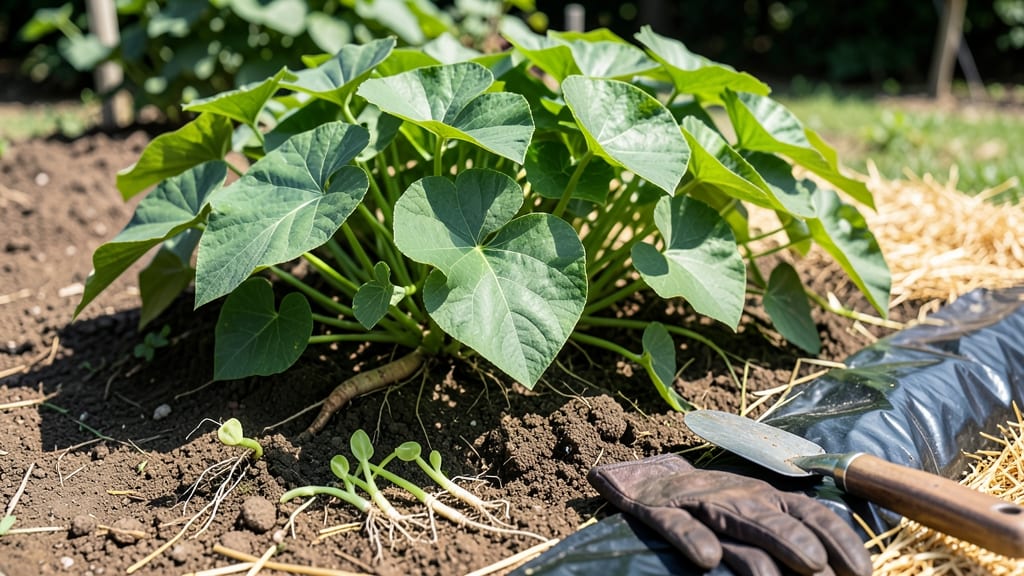
If you’ve ever wondered when do you plant sweet potatoes in Florida, timing is the secret weapon for turning your garden into a sweet, starchy success.
Planting sweet potato slips too early risks frost damage (though rare in zones 9a-11), while waiting too late means battling summer’s relentless heat before roots can establish. The sweet spot? A precise window where soil warmth and humidity work in your favor—without inviting pests or stressing young vines.
Florida’s extended growing season gives you two prime chances to plant: spring (March–June) and late summer (August–September). But here’s the catch—slips need 65°F+ soil to root properly, and summer’s brutal heat can scorch them if planted too soon.
I’ll show you exactly how to time it right, whether you’re growing Beauregard or Georgia Jet varieties, so your harvest comes in strong before winter sets in.
You don’t need a green thumb to nail this—just a few key tricks. From adjusting for your specific Florida region (North, Central, or South) to recognizing the ideal vine growth cues, I’ll break down the steps to avoid common pitfalls.
Think of it as a roadmap to sweet, starchy success—no more guessing, just confident planting.
Ready to transform your garden into a sweet potato powerhouse? Let’s dive into the exact timing, soil prep, and care tips that’ll have your vines spreading and your harvest overflowing.
Your future homegrown harvest starts with the right move—and trust me, the first step is all about when you put those slips in the ground.
Best planting windows for sweet potato slips in Florida’s climate zones
Florida’s frost-free climate means sweet potatoes can thrive year-round, but timing slips (young plants) is critical to avoid summer’s 90°F+ heat that stunts root growth. The 6-8 week vine establishment window before peak summer is your golden opportunity for maximum yields.
Let’s break down the ideal planting dates by Florida’s distinct climate zones.
Northern Florida (Zones 8a-9a) has cooler winters and hotter summers, while Southern Florida (Zones 10a-11) enjoys milder winters and intense humidity year-round. Central Florida (Zone 9b) blends these extremes. Each zone demands a slightly different approach to avoid heat stress or winter chill damage.
| Zone | Ideal Planting Window | Soil Temp Threshold | Key Consideration |
|---|---|---|---|
| Northern Florida (8a-9a) | Mid-March to early May | 65°F+ consistently | Avoid late spring rains that cause rot |
| Central Florida (9b) | Late February to early June | 60°F+ for 7+ days | Humidity spikes in June—plant early |
| Southern Florida (10a-11) | January to early August | 55°F+ (warmer soils year-round) | Year-round potential with shade cloth |
For Northern Florida, aim to plant slips by April 15th to give vines 8 weeks to establish before summer’s peak. Central Florida gardeners have more flexibility but should prioritize March-April plantings to avoid June’s oppressive heat and humidity.
Southern Florida’s mild winters allow for January-February plantings, but slips may bolt quickly in spring’s intense sun.
Microclimates matter too! Coastal areas stay cooler than inland zones, while urban heat islands can push soil temps 10°F+ higher. Use a soil thermometer to confirm 65°F+ before planting—this is non-negotiable for tuber formation. Inland areas often need 2-3 weeks earlier than coastal regions due to faster soil warming.
Don’t overlook late summer plantings (August-September) for a fall harvest. These slips benefit from cooler autumn temps and shorter daylight hours, which reduce vine stress. However, avoid planting after September 15th in Northern Florida—tubers won’t mature before frost risks (though rare).
Pro tip: Mulch heavily (3-4 inches of straw) after planting to maintain even soil temps. This prevents the fluctuations between day/night temps that stunt root growth. In Southern Florida, use shade cloth (30-50%) during peak summer to protect young slips from direct afternoon sun.
Remember, sweet potatoes are heat-loving but drought-sensitive once established. The goal is to get slips planted when soil is warm but before summer’s consistent 90°F+ days arrive. This balance ensures your vines focus on root development rather than heat stress.
For variety-specific timing, Beauregard and Georgia Jet (classic Florida favorites) thrive in March-April plantings, while Bonita (a tropical variety) can handle January-February starts in Southern zones. Always check seed packet guidelines for days to maturity—this dictates your harvest window.
🌱
How to time sweet potato slips for maximum yield before summer heat stress
Timing your sweet potato slips perfectly ensures they establish strong vine systems before Florida’s summer heat peaks. The key is planting 6-8 weeks before peak temperatures—typically late March to early June—when soil stays above 65°F consistently. This window lets vines spread 3-5 feet before heat stress halts growth.
Use a soil thermometer to confirm readiness—slips need warm soil to root quickly. In North Florida, aim for early April; in South Florida, late February works if you protect young plants from unpredictable rains. Cool mornings and warm afternoons create ideal conditions for rapid vine development.
⚠️ CRITICAL MISTAKE: Planting too early (before March 15) risks fungal diseases from lingering moisture. Waiting too late (after June 1) means vines struggle to mature before August heat, reducing tuber size. Balance is everything!
3-Step Checklist for Perfect Timing
- 🌡️ Soil Test: Wait until soil reaches 65°F+ at 3-inch depth. Use a soil thermometer for accuracy.
- 📅 Calendar Check: Plant 6-8 weeks before your area’s average 90°F+ days (e.g., May 1 for most of Florida).
- 🌱 Slip Readiness: Choose 4-6 inch slips with 2-3 leaves and no wilting. Avoid slips with yellowing leaves or soft stems.
For maximum yield, pair precise timing with well-draining soil and consistent moisture. Mulch with straw or pine needles to retain soil warmth and suppress weeds. Avoid overwatering—soggy soil causes rot, while drought stress shrinks tubers. Aim for 1 inch of water weekly during establishment.
Watch for vine sprawl as a sign of success. Healthy vines should cover 2-3 feet of ground within 30 days of planting. If growth stalls, check for pests (sweet potato weevils) or nutrient deficiencies (yellow leaves = nitrogen need). Adjust care immediately to keep vines thriving.
Harvest cues arrive 120-150 days after planting, when vines yellow and die back. Dig carefully with a fork to avoid bruising tubers. Store in a cool, dry place (60-65°F) for up to 6 months. Proper timing ensures sweet, starchy roots—not woody or bitter ones!