
Plants
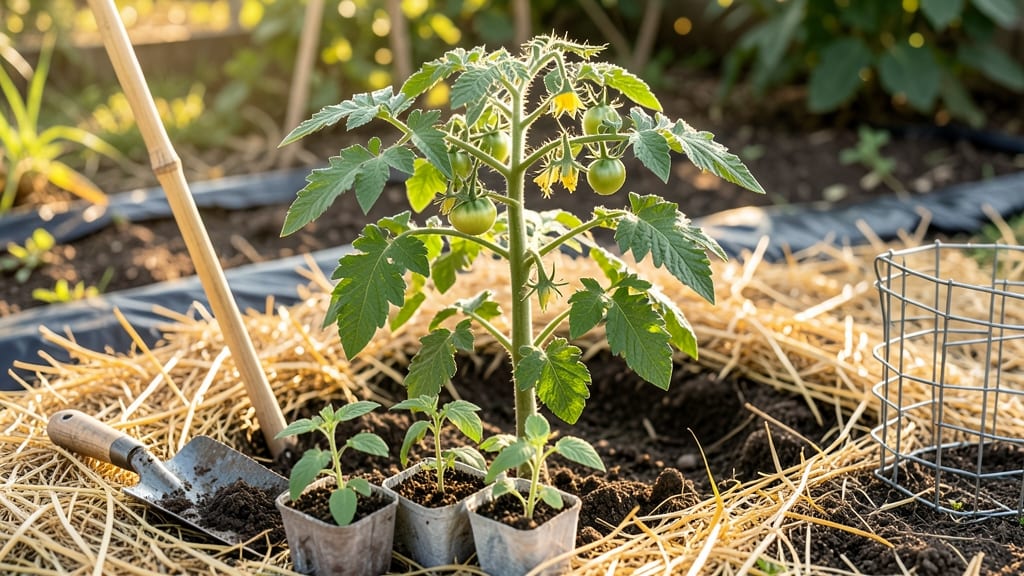
Planting tomatoes in North Carolina at the wrong time can mean the difference between a bountiful harvest and a sad pile of frost-nipped seedlings.
With the right timing, you can enjoy fresh 🍅 from early summer through fall—if you know when to start seeds indoors and when to set them in the ground.
Most gardeners here focus on the classic spring planting window, but savvy growers also take advantage of a second chance in late summer for fall harvests. The key is understanding your local frost dates and soil temperatures, which can vary dramatically from the coast to the mountains.
Whether you're a beginner or a seasoned gardener, getting these details right will save you time, money, and frustration.
In this guide, I'll break down exactly when to plant tomatoes in North Carolina—whether you're starting seeds indoors or buying transplants—plus how to extend your growing season for a longer harvest.
You'll learn the best dates for your specific region, how to protect your plants from late frosts, and which varieties thrive in both spring and fall plantings.
Ready to grow more tomatoes than you know what to do with? Let's get started with the planting schedule that works best for your North Carolina zone.
North Carolina tomato planting calendar: best dates for early spring vs fall harvests
North Carolina's diverse climate—from the Coastal Plain to the Mountains—means tomato planting dates vary dramatically. In USDA zones 7a-8b, your last frost date typically falls between mid-March (Coastal) and early April (Mountains), while first frost arrives by mid-November.
This gives you a 200-220 day frost-free window to grow tomatoes, but timing is critical.
For spring planting, aim to set out transplants or direct-sow seeds 2-3 weeks after your last frost date when soil temperatures hit 60°F+.
In the Piedmont region, this usually means mid-April to early May, while Mountain gardeners should wait until late April to early June due to cooler soils. Coastal areas can start as early as late March for heat-loving varieties.
Here's how North Carolina's three main regions differ in their ideal planting windows:
| Region | Last Frost | Spring Planting Window | Fall Planting Window | Heat-Tolerant Varieties |
|---|---|---|---|---|
| Coastal Plain (Zones 8a-8b) | Mid-March | Late March - early April | Late July - early August | 'Celebrity', 'Solar Fire' |
| Piedmont (Zones 7b-8a) | Late March | Mid-April - early May | Early July - mid-July | 'Better Boy', 'Mountain Merit' |
| Mountains (Zones 6b-7a) | Early April | Late April - early June | Late June - early July | 'Stupice', 'Glacier' |
For fall planting, the goal is to harvest before the first frost. Start seeds indoors 8-10 weeks before your target transplant date (typically late June to early July for most regions). Use fast-maturing varieties like 'Early Girl' (60 days) or 'Patio' (55 days) to ensure harvests before frost.
In the Coastal Plain, you might squeeze in a second planting as late as early August, while Mountain gardeners should finish by mid-July.
Soil temperature is just as critical in fall as spring. Tomatoes need 60°F+ soil to germinate, so use a soil thermometer to confirm readiness. If temps drop below 50°F at night, protect young plants with row covers or move containers to sheltered spots.
My go-to trick is using black plastic mulch to warm soil faster in cooler microclimates.
Don't overlook microclimates—your south-facing slope might warm up weeks earlier than your north-facing garden bed. I've seen 3-4 week differences in planting readiness within the same yard!
Test your soil's warmth by pressing your hand into it—if it feels warm to the touch (like bathwater), it's ready for tomatoes.
Pro tip: Use biodegradable pots for transplants to avoid transplant shock when moving to the garden. I've found that egg cartons or peat pots help roots establish faster in North Carolina's clay-heavy soils.
For direct sowing, plant seeds 1/4 inch deep in warm soil and keep them moist until germination (usually 7-14 days at 70°F+).
Remember that indeterminate varieties (like 'Beefsteak') need more time to mature, while determinate varieties (like 'Roma') produce faster. Match your planting date to your harvest goals—if you want summer tomatoes, plant early; for fall harvests, choose late-season varieties and plant accordingly.
🌱
North Carolina tomato planting calendar: best dates for early spring vs fall harvests
North Carolina's diverse climate—from the warm coastal plains to the cooler mountain regions—means your tomato planting schedule should match your specific USDA zone (7a-8b).
The key is planting when soil temperatures hit at least 60°F and nighttime lows stay above 50°F, which typically happens in mid-April to early June for spring plantings. But don't stop there—fall planting can give you a second harvest if timed correctly.
For spring planting, start seeds indoors 6-8 weeks before your last frost date (usually late March in most regions). Transplants should go into the ground 2-3 weeks after your last frost, which can range from early April in the coast to late May in the mountains.
Fall plantings, on the other hand, require selecting heat-tolerant varieties and starting seeds in late July to early August for a harvest before frost.
| Region | Last Frost Date | Spring Planting Window | Fall Planting Window | Best Varieties |
|---|---|---|---|---|
| Coastal (Zone 8a) | Early March | Mid-March to April | Late July to August | Celebrity, Better Boy |
| Piedmont (Zone 7b) | Mid-March | Late March to May | Early August to September | Early Girl, Sun Gold |
| Mountains (Zone 6b) | Late April | Late May to June | Mid-August to September | Mountain Merit, Stupice |
If you're planting in Zone 8a (coastal areas), you can even start seeds as early as February indoors for an earlier spring harvest. But avoid planting too soon—cool soil slows germination and weakens seedlings.
For fall plantings, focus on determinate varieties like 'Celebrity' or 'Roma,' which mature faster in cooler temperatures. These varieties also handle shorter daylight hours better than their indeterminate counterparts.
One trick I use is to plant a mix of early, mid, and late-season varieties in spring. This ensures a staggered harvest from June through October. For fall, I stick to one or two fast-maturing varieties planted in late July or early August.
This way, I can harvest before the first frost hits in November. Always check your local frost-free days—coastal areas often have 220+ frost-free days, while the mountains may only have 180-200 days.
Don’t forget to prep your soil properly! Tomatoes thrive in well-draining soil with a pH of 6.0-6.8. Add compost or aged manure a few weeks before planting to give your plants a nutrient boost.
If you're planting in fall, consider using black plastic mulch to warm the soil and extend the growing season by a few weeks. This small adjustment can make a big difference in your harvest timing.
Timing isn’t just about the calendar—it’s also about microclimates. A spot near a brick wall or fence can be 5-10°F warmer than the rest of your garden, giving you an extra edge for early or late plantings.
Pay attention to where the sun hits longest in your yard, and you’ll find the perfect spot for your tomatoes to thrive year-round.