
Plants
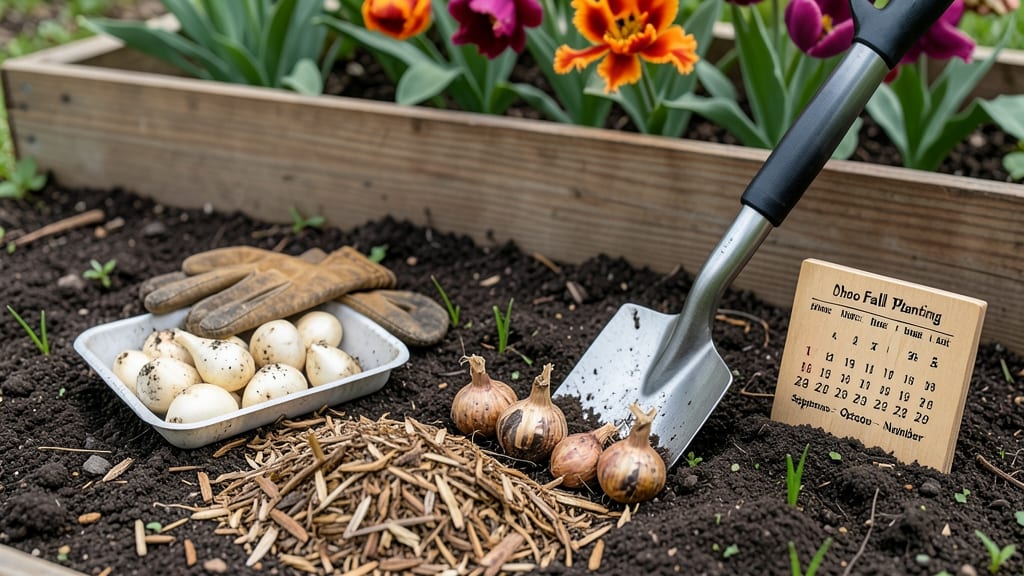
Planting your 🌷 tulips in Ohio at the wrong time can mean the difference between a stunning spring display and wasted bulbs. The key window—October through November—gives those bulbs just enough time to root before winter’s chill sets in.
Ohio’s Zone 6a climate demands precision: plant too early, and rot sets in; too late, and your tulips won’t bloom. But with the right soil prep and timing, you’ll unlock vibrant blooms that make every spring worth the wait.
I’ll break down the exact deadlines for your zone, how to check soil readiness, and even which tulip varieties thrive best in Ohio’s unpredictable falls. No more guessing—just reliable, show-stopping results.
Ready to transform your garden? Let’s dive into the perfect planting schedule that’ll have your tulips popping up like clockwork next spring.
Ohio tulip planting deadlines by hardiness Zone: exact dates & chill-hour requirements
Ohio’s diverse hardiness zones (5-7) create a tricky timeline for tulip planting. Most gardeners in Zone 6a (central Ohio) should aim for mid-October to early November, but zones 5 (north) and 7 (south) have slightly different deadlines.
The key? Planting 4-6 weeks before the ground freezes—typically when soil temps drop to 40-50°F.
Tulips need 12-16 hours of winter chill to bloom reliably. Ohio’s climate provides this naturally, but planting too late risks bulb rot before roots establish. Early planting (like late September) gives bulbs time to root before winter, while late planting (after mid-November) may leave them vulnerable to frost.
Here’s how Ohio’s zones break down for optimal tulip planting windows and critical deadlines:
| Zone | First Frost Date | Ideal Planting Window | Last Planting Deadline | Chill Hours Needed |
|---|---|---|---|---|
| 5 (north: Toledo, Youngstown) | Mid-October | Late September to early October | Early November | 14-16 hours |
| 6a (central: Columbus, Dayton) | Mid-October | Mid-October to early November | Mid-November | 12-14 hours |
| 7 (south: Cincinnati, Lexington) | Late October | Late October to early December | Early December | 10-12 hours |
For Zone 6a gardeners (the most common in Ohio), the sweet spot is October 15–November 1. This aligns with soil temperatures between 40-50°F, which is cool enough to prevent bulb rot but warm enough for root growth.
Use a soil thermometer to confirm—plant when temps hover around 50°F.
If you’re in Zone 5, don’t wait past early November, or bulbs may not root before winter. In Zone 7, you have more flexibility—planting into early December is often safe, but avoid soggy soil.
Pro tip: Use mulch (straw or leaves) after planting to insulate bulbs and protect them from freeze-thaw cycles.
Missed the fall window? Spring planting is possible in Ohio, but results are hit-or-miss. Plant tulip bulbs in late winter (February) for late spring blooms, but expect smaller, weaker flowers compared to fall-planted bulbs. This method works best for containers or forced bulbs indoors.
Ohio’s unpredictable fall weather can throw off even the best-laid plans. If temperatures plummet unexpectedly, cover newly planted bulbs with straw or mulch to prevent frost damage. Conversely, if warm spells linger, delay planting until soil cools—bulbs planted in warm soil rot quickly.
Remember: Tulips need 6-8 weeks of root growth before winter sets in. In Ohio, that means planting by November 15 at the latest for most zones. Use this rule of thumb: "When your neighbor’s lawn turns brown, it’s time to plant tulips"—a sure sign the soil is cool enough.
For reliable blooms, pair your planting timeline with well-draining soil and a sunny location (6+ hours of sun daily). In Ohio’s clay-heavy soils, amend with compost or sand to improve drainage. This ensures bulbs won’t suffocate in wet winters, a common issue in Ohio’s Zone 5-6.
How to time tulip planting for Ohio’s unpredictable fall weather: pro tips
Ohio’s fall weather can be as unpredictable as a toddler’s mood—one day warm and sunny, the next a sudden frost. To avoid planting tulip bulbs when the soil is too soft or too cold, I’ve learned to rely on soil temperature and frost forecasts more than calendar dates. The key is planting 4-6 weeks before the ground freezes, but Ohio’s variable climate means you’ll need to stay flexible. A soil thermometer is your best friend here. Tulip bulbs thrive when soil temps drop to 50-60°F—any warmer, and they’ll rot; any colder, and they won’t root properly. Check the soil in the late afternoon when it’s warmest. If it’s still above 60°F, hold off until temperatures dip. In most of Ohio, this usually lands in mid-to-late October, but don’t be surprised if you need to adjust by a week or two. Ohio’s first frost date varies by zone—October 15 in the north (Zone 5) and November 1 in the south (Zone 7). But frost isn’t the only threat; wet soil can suffocate bulbs just as much as freezing temps. If you’ve had heavy rains, wait until the ground drains and dries out slightly before planting. A quick trick? Press your finger into the soil—if it’s still damp 1-2 inches down, give it another week.⚠️ Watch for Early Freezes
Ohio’s unpredictable cold snaps can catch you off guard. If a hard freeze (below 20°F) is forecast within 2 weeks of planting, delay until soil temps stabilize. Use mulch (2-3 inches) after planting to insulate bulbs from temperature swings.
If you’re planting in late November or December, focus on well-draining soil and shallow planting (6 inches deep). Bulbs planted this late may not bloom as vigorously, but they’ll still survive if protected. For extra insurance, choose tulip varieties with lower chill-hour requirements (like ‘Darwin Hybrid’ or ‘Fosteriana’), which are more forgiving in shorter winters. Don’t forget to water deeply after planting—1 inch of water helps settle the soil and encourages root growth. But avoid overwatering, as soggy soil is a recipe for rot. Once planted, let nature take over; tulips are tough once established and can handle Ohio’s winter extremes with ease. Pro Tip: Mark your planting spots with flags or stakes so you remember where bulbs are buried under snow. Come spring, you’ll thank yourself for the clear path to vibrant blooms! 🌷🌿