
Plants
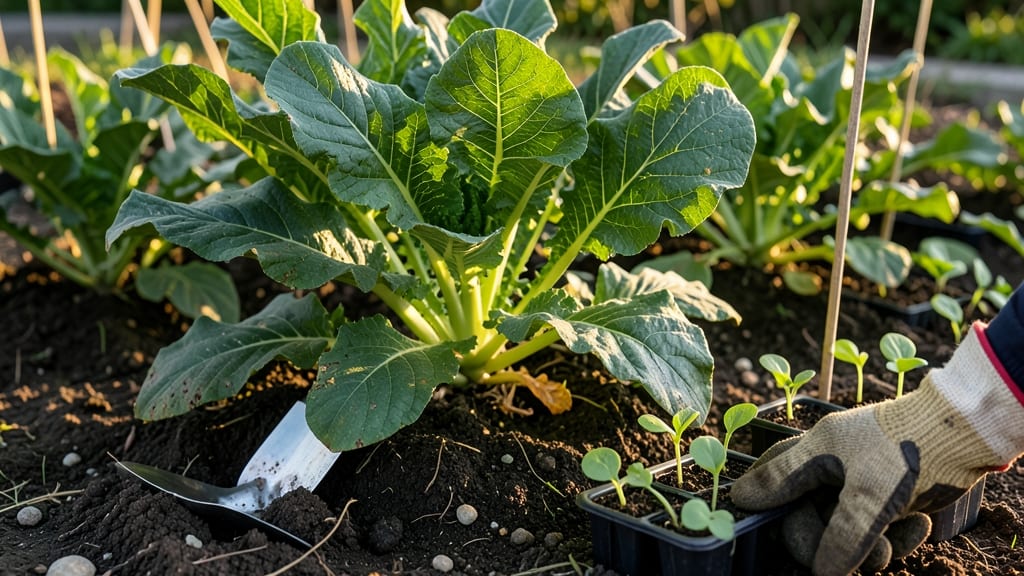
Planting turnip greens 🥬 in Tennessee isn’t just about throwing seeds into the soil—it’s about working with the state’s unpredictable frost dates to guarantee a thriving harvest.
Whether you're in East Tennessee’s cooler mountains or West Tennessee’s milder valleys, getting the timing right means the difference between a lush garden and a sad, frost-bitten disappointment.
Most gardeners here make one critical mistake: planting too early or too late, leaving their greens vulnerable to early freezes or bolting before they can be harvested. But with the right strategy, you can enjoy fresh turnip greens from May through November, even in Tennessee’s 6a-7b zones.
The secret lies in knowing exactly when to start seeds—both in spring and fall—to avoid those common pitfalls.
In this guide, I’ll walk you through the precise planting windows for your region, including how to adjust for Tennessee’s microclimates. You’ll learn when to sow seeds for a spring harvest (hint: it’s earlier than you think) and how to extend your growing season into fall without risking frost damage.
Let’s get those turnip greens thriving all year long!
Ready to transform your garden into a turnip green powerhouse? Whether you’re a beginner or a seasoned gardener, these time-tested tips will help you plant with confidence—and enjoy a bountiful, frost-free harvest. Let’s dive in!
Tennessee’s ideal turnip greens planting windows: spring vs. fall deadlines
Turnip greens thrive in Tennessee’s cool-season climate, making spring and fall the perfect planting windows. Since Tennessee spans USDA zones 6a-7b, frost dates vary slightly—East Tennessee tends to have earlier frosts than West Tennessee.
For zero-frost success, align your planting with these regional deadlines to avoid bolting or frost damage.
In spring, aim to plant turnip greens 4-6 weeks before your last frost date. For most of Tennessee, this means mid-March to early April. In fall, sow seeds 8-10 weeks before the first frost, typically late August to early September.
These windows ensure your greens mature before winter sets in.
Tennessee’s frost dates aren’t one-size-fits-all. East Tennessee (e.g., Knoxville) often sees its last frost by mid-April, while West Tennessee (e.g., Memphis) may wait until early May. Use your local Cooperative Extension Service frost data to fine-tune your schedule.
Here’s a quick reference for Tennessee’s planting zones:
| Region | Spring Planting Window | Fall Planting Window | Last Frost Date | First Frost Date |
|---|---|---|---|---|
| East Tennessee (Zone 6a) | Mid-March to early April | Late August to early September | Mid-April | Mid-October |
| Middle Tennessee (Zone 6b-7a) | Late March to early April | Early to mid-September | Early May | Late October |
| West Tennessee (Zone 7b) | Early to mid-April | Mid-September to early October | Early May | Early November |
For spring plantings, start seeds indoors 4-6 weeks before your last frost date if you’re eager for an early harvest. Direct sow outdoors once soil temperatures reach 40°F—use a soil thermometer to check.
In fall, prioritize cold-hardy varieties like ‘Purple Top White Globe’ or ‘Tokyo Cross’ to withstand light frosts.
If you’re in a warmer microclimate (e.g., urban Nashville), you might push spring plantings slightly later—early April—while still avoiding summer’s heat. Conversely, high-elevation areas (e.g., Great Smoky Mountains) may need to plant 2-3 weeks earlier to beat frost.
Pro tip: Use row covers or cold frames to extend your fall harvest into November. These tools add 4-6°F of protection, buying you extra time before winter sets in. Just remove covers during the day to prevent overheating.
Turnip greens are fast-growing, with harvests possible in just 30-45 days. Plan your fall plantings to mature before mid-October—any later, and you risk frost damage. For continuous harvests, stagger plantings every 2-3 weeks in both spring and fall.
Always monitor your garden’s microclimate. A south-facing bed warms up faster than a north-facing one, so adjust planting dates accordingly. If your garden is shaded, opt for partial-shade-tolerant varieties like ‘Seven Top Turnip’ to ensure success.
Finally, keep an eye on soil temperatures. Turnip greens prefer 50-70°F soil. If your spring soil is still below 40°F, wait a week or two—cold soil slows germination and can lead to damping off. A soil thermometer is your best friend for precision planting.
How to extend your turnip greens season in Tennessee using succession planting
Succession planting is your secret weapon for a continuous turnip greens harvest in Tennessee, even with the state’s unpredictable frost dates. By staggering plantings every 2-3 weeks, you’ll avoid harvest gaps and enjoy fresh greens from spring through fall.
This method works especially well for cold-hardy varieties like ‘Purple Top White Globe,’ which can tolerate light frosts and still produce tender leaves.
In Tennessee’s USDA zones 6a-7b, the key is to start your first planting in early March and continue through mid-September. Each new batch will mature just as the previous one is ready for harvest, ensuring you never run out of greens.
Urban gardeners can also leverage microclimates—like south-facing walls or raised beds—to extend the season even further.
Here’s how to create a succession planting schedule that guarantees a steady supply of turnip greens all season long:
- Start your first planting in early March (4-6 weeks before your average last frost date). This ensures greens are ready by late April, just as spring heat arrives.
- Sow new seeds every 2-3 weeks until mid-June for a summer harvest. Space seeds ½ inch deep and 1 inch apart in rows 12 inches apart.
- For a fall harvest, begin your last planting in mid-August and continue through early September. These greens will mature by October, just before frost.
- Use row covers or lightweight frost cloth to protect late-season plantings from early frosts. This can extend your harvest by 2-3 weeks into November.
- Choose cold-tolerant varieties like ‘Tokyo Cross’ or ‘Seven Top’ for fall plantings. These varieties handle light frosts (20-25°F) without bolting.
If you’re gardening in urban or suburban areas, take advantage of microclimates like sunny patios, rooftop gardens, or even containers on balconies. These spots often stay warmer than the surrounding area, allowing you to push your planting windows slightly later in the season.
For example, a south-facing container might support a late-September planting that wouldn’t survive in a cooler backyard spot.
To maximize your yield, always harvest outer leaves first, leaving the center to regrow. This encourages continuous production and gives you a longer harvest window from each planting. With this method, you’ll enjoy turnip greens from May through November, even in Tennessee’s variable climate.
Pro tip: Keep a planting journal to track which varieties perform best in your microclimate. Note when you started each batch, how long it took to mature, and any frost events that affected your greens. Over time, you’ll refine your schedule for zero-waste, year-round harvests!