
Vegetables
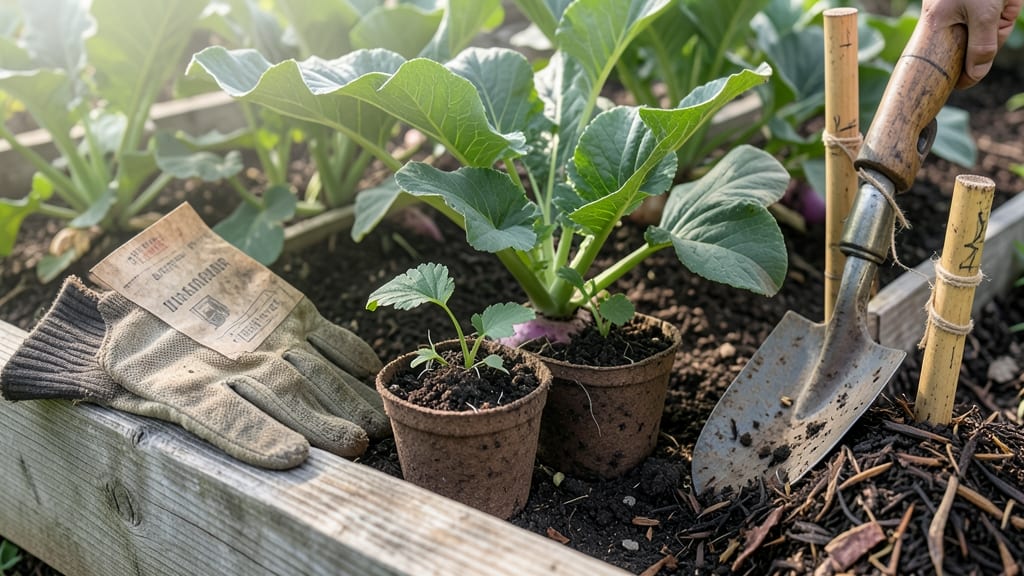
Planting turnips in the fall is your ticket to a fast, homegrown harvest—if you time it right. These crisp, earthy roots 🥬 thrive in cool weather, but miss the ideal window, and you’ll end up with bitter greens or tough roots instead of tender, sweet rewards.
Most gardeners swear by sowing turnips 4-6 weeks before the first frost, giving them enough time to mature before winter sets in. In USDA Zone 6a, that means late August to early September is prime time—but your local frost dates might shift the schedule slightly.
The key? Start seeds when soil temps dip below 75°F and nights stay cool.
What separates a successful fall turnip crop from a flop? It’s not just about dates—it’s about soil prep, spacing, and knowing when to harvest.
I’ll walk you through the exact steps, from prepping your garden bed to thinning seedlings for optimal growth, so you can enjoy fresh turnips straight from your backyard.
Whether you’re a first-time gardener or a seasoned pro, these tips will help you grow turnips that are sweeter, faster, and more abundant than ever. Let’s get those seeds in the ground at the perfect moment!
Fall turnip planting timeline by US hardiness Zones
Planting turnips in the fall is all about timing—get it right, and you’ll enjoy crisp roots and tender greens before winter sets in. The key is to sow seeds 4 to 6 weeks before your first frost date, giving them enough time to mature before cold temperatures arrive.
For most USDA zones, this means planting in late summer to early fall, typically between mid-August and mid-September. But the exact timing depends on your zone and local climate.
Turnips thrive in cool weather, so they’re perfect for fall planting. In warmer climates (zones 7-10), you can even extend the season into early October, while cooler zones (3-6) should aim for late August to early September.
The goal is to harvest roots before hard frost hits, but you can also enjoy the greens for longer if you time it right.
Here’s how to determine your ideal planting window: Check your average first frost date (usually found in local gardening guides or almanacs) and count backward 60 days for root harvests or 45 days for greens.
For example, if your first frost is November 15, plant roots by September 15 and greens by October 1.
Pro tip: If you’re in a transition zone (like 6a-7a), consider succession planting—sow a second batch 2-3 weeks after the first to stagger your harvest and extend the season. This works especially well in raised beds or container gardens, where you can control soil warmth better.
Before planting, prep your soil by adding compost or aged manure to ensure it’s rich in nutrients. Turnips prefer well-draining soil with a pH of 6.0 to 7.0.
If your soil is heavy clay, mix in sand or perlite to improve drainage. Avoid fresh manure, as it can cause bolting (premature flowering) in turnips.
Now, let’s break down the exact planting timeline by USDA zone to help you plan with confidence. Use this as your guide to avoid common mistakes like planting too early (risking bolting) or too late (stunted growth).
If you’re unsure about your zone, use the USDA Plant Hardiness Zone Map to find your location. Once you’ve nailed down your planting window, mark your calendar and set reminders—turnips grow fast, and you don’t want to miss the 60-day harvest window for roots or the 45-day window for greens.
After planting, keep the soil consistently moist (about 1 inch of water per week) and mulch with straw or shredded leaves to retain moisture and regulate soil temperature. Avoid overwatering, which can lead to rot or split roots.
If you notice leaves turning yellow or wilting, it’s a sign of overwatering or poor drainage—adjust your watering schedule immediately.
For container gardeners, choose large pots (at least 12 inches deep) with drainage holes. Plant seeds ½ inch deep and 1 inch apart, then thin seedlings to 2-4 inches apart once they’re 2 inches tall. This spacing ensures roots have room to grow without competing for nutrients.
Finally, don’t forget to harvest before hard frost—roots left in the ground too long will become woody and tough. Use a fork to loosen the soil around the roots, then gently pull them up.
For greens, harvest the outer leaves first to encourage regrowth. With the right timing and care, you’ll enjoy a bountiful fall turnip harvest that’s crisp, sweet, and full of flavor!
Fall turnip planting timeline by US hardiness Zones
Timing is everything when planting turnips for a fall harvest. Aim to sow seeds 4-6 weeks before your first frost date—this gives turnips 60-80 days to mature before winter sets in.
In USDA Zones 3-5, this typically means late August to mid-September, while Zones 6-8 can plant until early October.
Turnips thrive in cool weather, so avoid planting too early when soil temps exceed 70°F—this triggers bolting. Instead, focus on late summer soil prep: loosen soil, add compost, and ensure good drainage. This sets the stage for a successful fall crop.
🌱
| USDA Zone | Planting Window | First Frost Date | Harvest Timeframe |
|---|---|---|---|
| 3-5 | Late August - Mid-September | Mid-October | October - Early November |
| 6-8 | Early September - Early October | Late November | October - December |
| 9-10 | Mid-September - Mid-October | Early December | November - January |
For succession planting, sow a second batch 3-4 weeks after your first planting to extend your harvest. This works especially well in Zones 6-10, where mild winters allow for later harvests. Just be sure to use cold-hardy varieties like 'Purple Top White Globe' for best results.
If you're in a warmer climate (Zones 9-10), consider overwintering turnips by planting in late October. Use row covers to protect them from light frosts, and harvest as needed through winter. This extends your growing season dramatically!
Always check your local frost dates—they can vary by 1-2 weeks depending on elevation and microclimates. For example, mountain regions may frost earlier than valleys. Adjust your planting schedule accordingly to avoid bitter roots or bolting greens.
🌡️