
Plants
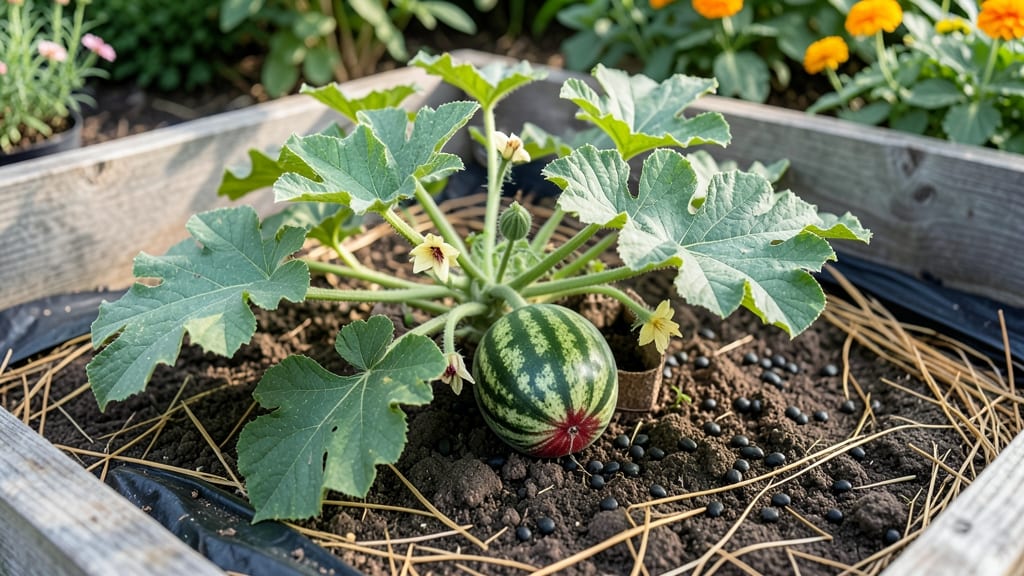
Planting watermelon in North Carolina at the wrong time can mean the difference between a bountiful harvest and a total loss to frost. The key isn't just waiting until spring—it's understanding your local microclimate and soil warmth, which vary dramatically from the coast to the mountains.
For most of NC's 6a-8b zones, the ideal window stretches from mid-April through early June, but coastal areas can start slightly earlier while mountain regions need to wait until late May.
Missing this window risks exposing tender seedlings to late frosts, which can devastate your crop before it even takes root.
I'll show you exactly how to time your planting for maximum success, including soil temperature checks, regional adjustments, and proven techniques to extend your growing season. Whether you're sowing seeds directly or transplanting seedlings, these strategies will help you avoid common pitfalls and get the sweetest, juiciest 🍉 watermelons possible.
From preparing your soil to protecting your plants from unexpected cold snaps, this guide covers everything you need to know to turn your NC garden into a watermelon paradise. Let's get started with the perfect planting schedule for your specific location.
Best planting dates for watermelon in NC by region (frost-free guarantee)
North Carolina’s diverse climate means your watermelon planting schedule should match your USDA zone and microclimate. Coastal areas like Wilmington (Zone 8b) can start 2-3 weeks earlier than the mountains (Zone 6a), where late frosts linger until mid-April.
Understanding these regional differences ensures your watermelon seeds thrive without frost damage.
For peak harvests, aim to plant when soil temperatures hit 70°F (21°C)—a critical threshold for watermelon germination. In most of NC, this aligns with late April to early June, but your exact timing depends on whether you’re in the Coastal Plain, Piedmont, or Mountains.
Let’s break it down by region to avoid common pitfalls like frost-killed seedlings or missed harvest windows.
🌱 PRO TIP: Use a soil thermometer to confirm readiness—watermelons won’t germinate below 60°F (15°C), and slow growth below 70°F delays harvests by weeks.
| Region | USDA Zone | Last Frost Date | Ideal Planting Window | Harvest Window | Key Notes |
|---|---|---|---|---|---|
| Coastal Plain (e.g., Wilmington, Morehead City) | 8a-8b | March 15 | Late March–mid-April | June–August | Humidity increases fungal risks; use raised beds. |
| Piedmont (e.g., Raleigh, Greensboro) | 7b-8a | April 1 | Mid-April–early May | July–September | Moderate climate; ideal for heat-tolerant varieties. |
| Mountains (e.g., Asheville, Boone) | 6a-7a | Mid-April | Late May–early June | August–early October | Shorter season; opt for early-maturing varieties. |
If you’re in the Coastal Plain, you can push your schedule even earlier by using black plastic mulch to warm soil faster. This trick lets you plant as early as late March in Zone 8b, giving you a 2-month head start on harvests.
Meanwhile, mountain gardeners should wait until after May 15 to avoid late frosts, which can kill young seedlings overnight.
For gardeners in Zone 7a or below, consider starting seeds indoors in March under grow lights. Transplant hardened-off seedlings after your last frost date (typically April 15 in the Piedmont).
This method extends your growing season by 4-6 weeks, ensuring you still get a harvest before fall’s first frost.
One common mistake is planting too early in cooler zones. Watermelons grown in 50°F (10°C) soil develop poor root systems and are prone to disease. Always wait for soil to reach 70°F+—even if air temperatures feel warm. A soil thermometer is your best tool for accuracy.
Regardless of your region, late June plantings are risky but possible with heat-tolerant varieties like ‘Sugar Baby’ or ‘Crimson Sweet’. These types mature in 70-80 days, giving them time to fruit before first frost. Just be prepared for smaller yields and prioritize disease prevention as summer heat intensifies.
Pro tip: Use a frost date calculator like the one from the NC State Extension to pinpoint your local frost risks. Bookmark their gardening calendar for real-time updates on planting windows tailored to your zip code. 🌡️
Best planting dates for watermelon in NC by region (frost-free guarantee)
North Carolina’s diverse climate means watermelon planting dates vary dramatically from the Coastal Plain to the Mountains. The key is planting after your region’s last frost date—and ensuring soil stays warm enough for germination (70°F+).
Let’s break it down by zone to avoid frost damage and maximize sweet harvests.
For Coastal NC (Zones 8a-8b), like Wilmington or Morehead City, you can plant as early as March 15 in protected beds with black plastic mulch. This region enjoys 180+ frost-free days, giving you a long growing season.
Meanwhile, Piedmont (Zones 7a-7b), including Raleigh and Greensboro, waits until April 15 to safely plant outdoors.
Mountain regions (Zones 6a-6b), such as Asheville or Boone, face later last frosts (May 1) and cooler soils. Here, direct-sowing after May 15 is critical—any earlier risks seed rot in chilly ground. For all regions, transplants (vs. seeds) can go in 2-3 weeks earlier if started indoors.
If you’re in Zone 7a (e.g., Charlotte), aim for April 22 (Earth Day!) as your target. For Zone 6a (e.g., Boone), wait until May 20—patience here prevents seedling loss.
Pro tip: Black plastic mulch can warm soil by 10°F, letting you plant 2 weeks earlier in cooler zones.
For late-season harvests, consider heat-tolerant varieties like Sugar Baby or Crimson Sweet, which thrive in NC’s summer heat. These can be planted as late as June 1 in Coastal areas, though yields may be smaller. Always harden off seedlings for 7–10 days before transplanting to avoid shock.
Missed the spring window? Don’t worry—fall planting is possible in Coastal NC with fast-maturing varieties (e.g., 60-day Sugar Baby). Start seeds indoors in July and transplant by August 15 for a September harvest before early frosts.