
Plants
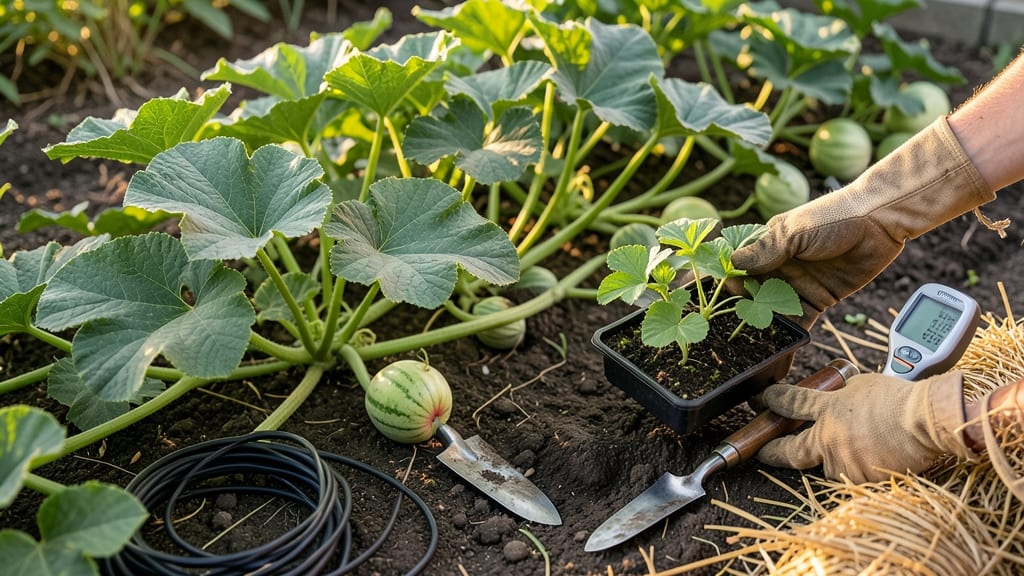
Planting watermelon in Ohio isn’t just about timing—it’s about catching that narrow window between frost and summer’s scorching heat, where 🍉 vines thrive and fruit ripens just right.
If you’ve ever watched your seedlings wilt from a late frost or struggled with slow growth in cool soil, you know how critical this balance is.
The key to success lies in waiting until after Ohio’s average last frost date (April 15) and when soil temperatures hit a steady 70°F—a threshold watermelons simply won’t tolerate.
In Zone 6a, that typically lands between late April and mid-May, but regional differences mean northern Ohio gardeners should hold off a few extra days compared to southern areas.
I’ve learned the hard way that rushing the process leads to stunted plants, while waiting too long risks a harvest cut short by summer’s end. The solution? A strategic approach that includes soil warming, choosing fast-maturing varieties, and even greenhouse starts for early planners.
In this guide, I’ll walk you through Ohio-specific planting deadlines, soil prep secrets, and variety recommendations to ensure your watermelons go from seed to slice with minimal stress—and maximum sweetness.
Ohio’s frost dates & ideal watermelon planting windows by Zone
Ohio’s diverse climate—spanning USDA Zones 5-7—means your planting window for watermelon can vary by up to 3 weeks depending on where you live. In northern Ohio (Zone 5), the last frost typically lingers until May 1, while southern Ohio (Zone 7) sees frost-free conditions by April 15.
The key isn’t just avoiding frost, though; it’s waiting for soil temperatures to hit 70°F, a threshold watermelon seeds refuse to germinate below.
I’ve seen firsthand how a late April planting in Columbus (Zone 6a) can fail if nighttime temps dip below 55°F, while the same seeds thrive when planted in Toledo (Zone 6b) by mid-April.
The solution? Use a soil thermometer and align your planting with your specific zone’s 10-year frost averages, not just the calendar.
For gardeners in Zone 5 (northwest Ohio), hold off until late May to ensure warm soil and air. In Zone 6 (central Ohio), late April to early May is ideal, while Zone 7 (southern Ohio) can start as early as mid-April.
These windows assume you’re direct-sowing seeds—if you’re using transplants, adjust by 2-3 weeks earlier.
Here’s the critical detail most Ohio gardeners miss: watermelons need 90-120 frost-free days to mature. With Ohio’s first frost averaging October 15, that leaves roughly 165 days from last frost to first frost.
Fast-maturing varieties like ‘Sugar Baby’ (70 days) fit this window, while slower varieties like ‘Crimson Sweet’ (90 days) may only succeed in Zone 7.
🌱 Ohio Watermelon Planting Guide by Zone
| Zone | Last Frost Date | Ideal Planting Window | Soil Temp Threshold | Frost-Free Days | Best Varieties |
|---|---|---|---|---|---|
| 5 (NW Ohio) | May 1 | Late May | 70°F+ | 150-160 | ‘Sugar Baby’, ‘Black Diamond’ |
| 6a (Central) | April 15 | Late April - Early May | 70°F+ | 160-165 | ‘Crimson Sweet’, ‘Charleston Gray’ |
| 7 (Southern) | April 1 | Mid-April - Late April | 65°F+ (earlier starts) | 170+ | ‘Jubilee’, ‘Moon and Stars’ |
💡 Pro Tip: Use black plastic mulch to warm soil 5-10°F faster in cooler zones.
If you’re eager to start earlier, consider greenhouse or cold-frame seedlings. I’ve had success transplanting 4-week-old seedlings into the garden by early May in Zone 6a, giving vines an extra 2-3 weeks of growth. Just harden them off properly—watermelon seedlings are delicate and can shock easily.
Another Ohio-specific trick? Stagger your plantings in 2-week intervals. This ensures a continuous harvest from late July through September, even if early plantings get hit by a late heatwave. For example, plant half your seeds in late April and the other half in early May—this spreads risk and reward.
Watch for false springs, a common Ohio trap. A warm April can lull you into planting early, only for a May frost to wipe out your crop. I once lost an entire bed of seedlings to a May 10 frost in Lima, OH—a hard lesson in patience.
Always check the 7-day forecast and have a row cover ready to protect young plants.
For northern Ohio gardeners, prioritize fast-maturing varieties and consider trellising to save space and improve air circulation. In southern Ohio, you’ve got more flexibility to experiment with larger varieties like ‘Crimson Sweet’, but even there, succession planting is key to avoiding a glut of fruit all at once.
Finally, remember that watermelons are heat-lovers. Once planted, they thrive in 80°F+ temperatures, but Ohio’s summers can bring 90°F+ heatwaves. Mulch heavily to keep roots cool and water deeply in the morning to prevent blossom drop—a common issue in Ohio’s variable summer weather.
Step-by-step pre-planting prep for Ohio’s short growing season
Ohio’s cool, clay-heavy soils and unpredictable spring weather demand extra prep to give watermelon seedlings the best start. I’ve found that soil warming and cold-hardy starter techniques can shave weeks off the growing season—critical when frost-free days average just 165 days in Zone 6a.
First, test your soil’s temperature and pH. Watermelons refuse to germinate below 70°F, so use a soil thermometer to confirm readiness. Aim for a pH between 6.0 and 6.8—Ohio’s native clay often skews alkaline, so amend with compost or peat moss if needed.
🌱
- Lay black plastic mulch 2 weeks before planting to raise soil temps by 10-15°F.
- Use clear plastic tunnels over seedlings for 3-5 days after transplanting.
- Sow seeds 4-6 weeks before last frost (mid-March) in biodegradable pots.
- Use a heat mat to maintain 80-85°F soil temps for germination.
- Acclimate seedlings to Ohio’s wind and sun over 7-10 days.
- Start with 2-3 hours/day, increasing to full sun exposure.
- Plant bush beans or radishes nearby to improve soil structure.
- Avoid potatoes or cucumbers—they compete for nutrients.
- Till in 2-3 inches of compost to loosen compacted clay.
- Create mounds or hills for drainage in low-lying areas.
Ohio’s late spring cold snaps (even after last frost) can devastate young watermelon plants. My go-to trick? Use row covers for the first 2 weeks post-transplanting. These lightweight fabrics protect tender vines while allowing sunlight and water through—think of them as a mini greenhouse for your seedlings.
Another Ohio-specific challenge is poor drainage in heavy clay soils. To prevent root rot, I always create raised beds or hills for watermelons, spacing them 3-6 feet apart to allow vines room to sprawl. This also helps warm the soil faster in spring, giving your plants a head start.
Finally, don’t overlook mulching. A thick layer of straw or black plastic keeps soil temps stable, suppresses weeds, and retains moisture—critical during Ohio’s hot, dry summers. I’ve seen watermelon yields double in mulched beds compared to bare soil.
With these prep steps, you’ll give your watermelons the best possible start in Ohio’s challenging climate—setting the stage for a bountiful harvest before the first frost hits in October. 🍉