
Plants
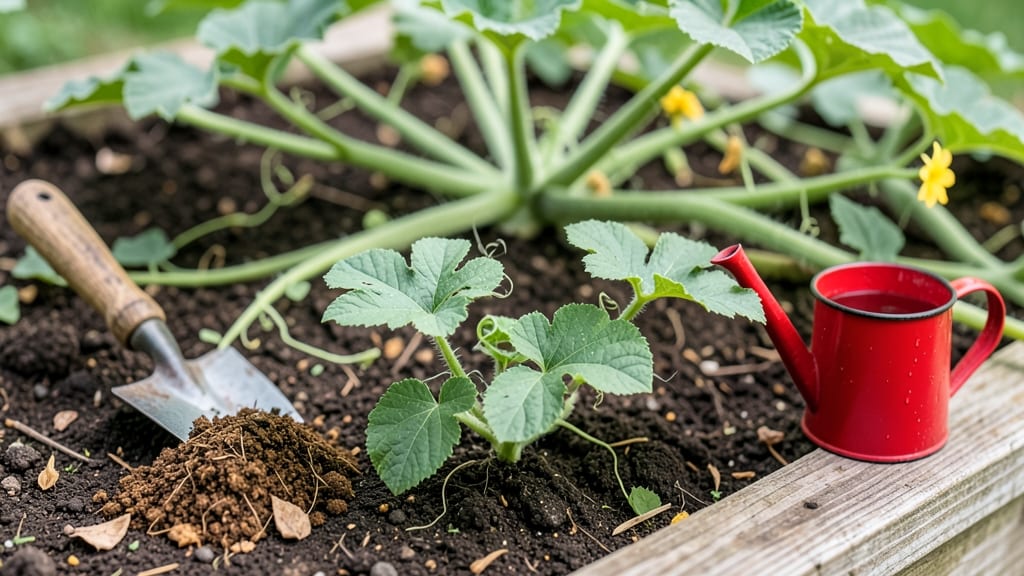
Planting watermelons in Alabama at the right time means the difference between a bountiful harvest of sweet, juicy 🍉 and wasted effort.
The key window runs from mid-April through early June, but getting it perfect depends on your local microclimate—whether you're in the cooler hills of north Alabama or the warmer valleys of the south.
Why does timing matter so much? Watermelons need warm soil and consistent heat to thrive, and planting too early risks frost damage while waiting too long cuts your growing season short.
I’ve learned the hard way that even a few degrees can make or break your crop, so let’s break down exactly when to start seeds or set out transplants for maximum success.
Most Alabama gardeners swear by direct sowing after the last frost date—typically around March 15—but soil temperature is the real game-changer. You’ll want to wait until it hits at least 70°F, which usually aligns with late April in 7b-8a zones. This ensures strong germination and vigorous vine growth.
What you’ll discover next are the best strategies for extending your harvest, avoiding common mistakes, and adapting to Alabama’s humidity. Whether you’re a first-time grower or a seasoned pro, these insights will help you grow watermelons that rival the ones at the farmers’ market.
Best planting weeks for watermelons in Alabama’s climate zones
Alabama’s diverse climate means northern and southern regions have different ideal planting windows for watermelons. In Zone 7b (north Alabama), wait until mid-April after the last frost, while Zone 8a (south Alabama) can start as early as late March.
The key is soil temperature—watermelons need at least 70°F to germinate properly.
For most of Alabama, the sweet spot is planting between April 15 and May 15. This window ensures vines have 90-120 frost-free days to mature before fall’s first frost. In cooler microclimates like the Appalachian foothills, push planting to late May to avoid early-season heat stress.
If you’re in south Alabama, you can even try an early June planting for a fall harvest. Just use fast-maturing varieties like ‘Sugar Baby’ or ‘Crimson Sweet’ to beat the November frost. Always check your local Alabama Extension office for last frost dates—they’re your best guide.
🌱
For direct sowing (planting seeds outdoors), Alabama gardeners should wait until nighttime temps stay above 55°F (13°C).
If you’re using transplants, harden them off for 7-10 days before setting them out after May 1 in most regions. Southern Alabama can start transplants as early as mid-March under row covers for a jumpstart.
Pro tip: Use a soil thermometer to confirm 70°F+ soil temps before planting. Cold soil delays germination and weakens seedlings. In north Alabama, this often means waiting until late April even if frost risk has passed.
If you’re in Zone 8a and want to extend your season, try a late July planting for a fall harvest. Choose heat-tolerant varieties like ‘Charleston Gray’ or ‘Black Diamond’—they handle Alabama’s summer heat better than standard types.
Always test your soil pH before planting—watermelons thrive in pH 6.0-6.8. Alabama’s clay-heavy soils often need compost or sand to improve drainage. Amend beds with 2-3 inches of compost and mulch heavily to retain moisture during Alabama’s hot, dry summers.
🌡️
Best planting weeks for watermelons in Alabama’s climate zones
Alabama’s 7b-8a climate zones create distinct planting windows for watermelons. In northern Alabama, where frosts linger longer, aim for mid-April to early May once soil hits 70°F.
Southern Alabama gardeners can start as early as late March, but wait until April 15 to avoid unpredictable late frosts near the Tennessee border.
The last average frost date in Birmingham typically falls around March 15, but soil warmth is the real trigger. Use a soil thermometer to confirm—watermelon seeds won’t germinate below 65°F, and vines struggle below 70°F.
I’ve seen seeds rot in cold, damp soil even after frost danger passed.
For direct sowing (recommended for Alabama), plant seeds 1 inch deep and 6 inches apart in hills spaced 3-4 feet apart. This spacing gives vines room to sprawl while keeping fruit accessible. In containers, use 5-gallon pots with trellising for dwarf varieties like ‘Sugar Baby’.
🌱 Alabama Watermelon Planting Guide by Region
| Region | Last Frost | Optimal Planting | Soil Temp | Harvest Window |
|---|---|---|---|---|
| North AL (Huntsville) | March 20 | April 15–May 1 | ≥70°F | July 15–Aug 30 |
| Central AL (Birmingham) | March 15 | April 1–April 15 | ≥70°F | July 1–Sept 1 |
| South AL (Mobile) | March 1 | March 20–April 10 | ≥68°F | June 15–Sept 15 |
💡 Pro Tip: Southern Alabama’s longer season lets you try two plantings—early (March) and late (June)—for staggered harvests.
If you’re using transplants, buy hardened-off seedlings from local nurseries after April 15 to avoid transplant shock. I’ve had better luck with direct sowing in Alabama’s heat, but transplants work well in cooler microclimates like mountain valleys.
Watch for heat waves after planting—temperatures above 95°F can stress young vines. Provide shade cloth for the first week if your area hits 100°F early in the season. Mulching with straw also helps retain moisture and regulate soil temperature.
For container growers, choose compact varieties like ‘Tiny Tim’ and plant in black pots to absorb heat. Place containers on patio slabs to warm soil faster—this can shave 1-2 weeks off your growing time in cooler zones.