
Plants
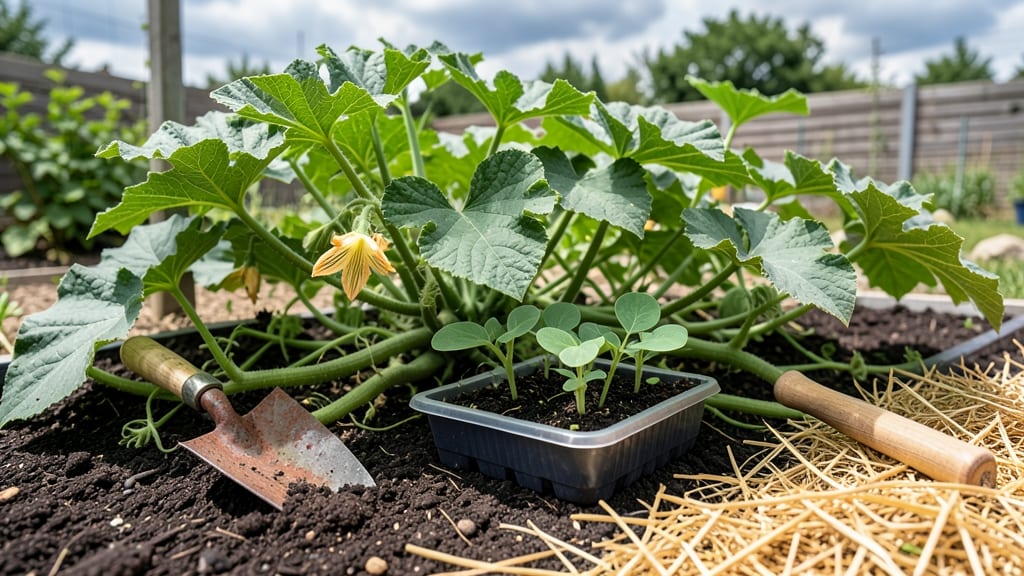
Planting watermelons in Texas isn’t just about the calendar—it’s about soil temperatures that can make or break your harvest. Skip the guesswork, and you’ll avoid the heartbreak of slow germination or frost-nibbled vines before summer even kicks in.
Here’s the secret: watermelons (🌱) need soil that’s a toasty 75°F or warmer to sprout reliably, and Texas’ regional frost dates vary wildly—from late March in the Panhandle to February in South Texas.
Get it wrong, and you’re either waiting forever for seeds to wake up or racing against the clock before the heat sets in.
I’ve tested the best timing for both direct sowing and transplants, so you can skip the trial-and-error and plant with confidence. Whether you’re in the Hill Country or the Rio Grande Valley, these soil temp hacks will help you beat the heat—and the frost—every season.
Ready to grow watermelons that ripen fast and furious? Let’s dive into the exact dates and tricks that’ll turn your Texas garden into a sweet, juicy success.
Optimal Texas watermelon planting dates by region: avoid frost & heat stress
Texas spans three distinct gardening regions, each with unique last frost dates and heat tolerance challenges. In North Texas, where winters linger longer, watermelons must wait until mid-April after the average last frost date of March 15.
Meanwhile, Central Texas gardeners can start as early as late March, and South Texas enjoys a head start in February—but watch for unpredictable spring rains that can delay planting.
Watermelon seeds won’t germinate until soil reaches 75°F+, making soil temperature your best planting guide. Use a soil thermometer to confirm warmth before sowing. In East Texas, where humidity spikes early, plant directly in the ground by late March to avoid fungal diseases.
For West Texas, where summers arrive fiercely, opt for heat-tolerant varieties and plant by mid-May to escape the worst heat waves.
🌱
Texas Watermelon Planting Deadlines by Region
| Region | Last Frost Date | Optimal Planting Window | Soil Temp Threshold | Heat Risk |
|---|---|---|---|---|
| North Texas (Dallas/Fort Worth) | March 15 | Mid-April to early May | 75°F+ (use black plastic mulch) | High (June-August) |
| Central Texas (Austin/San Antonio) | February 15 | Late March to April | 70°F+ (warmer earlier) | Very High (May-September) |
| South Texas (Houston/Corpus Christi) | January 31 | February to early March | 68°F+ (tropical nights help) | Extreme (April-October) |
| West Texas (El Paso/Lubbock) | February 1 | Mid-May to June | 80°F+ (arid heat) | Severe (July-August) |
💡 Pro Tip: In West Texas, plant transplants (not seeds) after May 15 to avoid bolting from sudden heat.
For urban gardeners in cities like San Antonio or Austin, container growing extends your planting window by 2-3 weeks. Use black plastic-lined pots to warm soil faster, but avoid planting before April 1—even containers struggle with cold soil.
In rural areas, where frost pockets linger, wait until after May 1 to ensure zero frost risk.
Missed the spring window? Fall planting works in South and Central Texas—sow seeds by late July for a September harvest before the first frost. However, North Texas rarely gets a second chance due to early freezes.
Always check your local AgriLife Extension for microclimate adjustments, as urban heat islands can push planting dates 1-2 weeks earlier.
🌡️
Heat stress is your biggest enemy in Texas. Watermelons planted in May or June often bolt prematurely or produce small, seedy fruits. To combat this, choose shade cloth during peak 11 AM–3 PM hours or plant drought-tolerant varieties like ‘Black Diamond’, which handles 100°F+ better than standard types. Always mulch heavily with straw or wood chips to retain moisture and cool roots.
🔍
Here’s a quick region check before planting:
- North Texas: Wait for consistent 75°F soil (usually mid-April).
- Central Texas: Plant late March if soil is warm; otherwise, wait until April 15.
- South Texas: Start February with black plastic mulch for faster heat.
- West Texas: Transplants only after May 15.
✂️
Soil temperature & germination hacks: speed up growth without risking rot
Watermelon seeds in Texas won’t sprout reliably until the soil hits 75°F or warmer. That’s why I always check soil temps with a soil thermometer—skipping this step means waiting weeks for germination or dealing with rot from damp, cold soil.
The key is to time your planting with the natural heat buildup after the last frost, not just the calendar date.
For faster results, I use black plastic mulch to raise soil temps by 5–10°F. Lay it down 1–2 weeks before planting to create a warm microclimate. This trick is a game-changer in North Texas, where mornings can still dip into the 50s even after the last frost date.
Pro tip: Poke small holes in the mulch for seedlings to emerge.
Here’s my step-by-step soil temp hack for Texas watermelons:
One common mistake I see is planting too early in North Texas and ending up with moldy seeds. If your soil isn’t warm enough, start seeds indoors 3–4 weeks before the last frost, then transplant seedlings after soil temps stabilize. Just be gentle—watermelon roots are shallow and sensitive to disturbance.
For South Texas, where soil warms early, direct sow seeds as soon as the ground is workable (usually by mid-February). The heat there is relentless, so focus on shade cloth for young plants to prevent sunscald. Mulch heavily to retain moisture during the brutal summer months.
Remember: watermelons thrive on consistent warmth, not just a quick heat spike. If your soil temps drop below 65°F at night, germination slows to a crawl. Use a mini greenhouse or cold frame for a few weeks if needed—it’s worth the investment for a reliable harvest.