
Plants
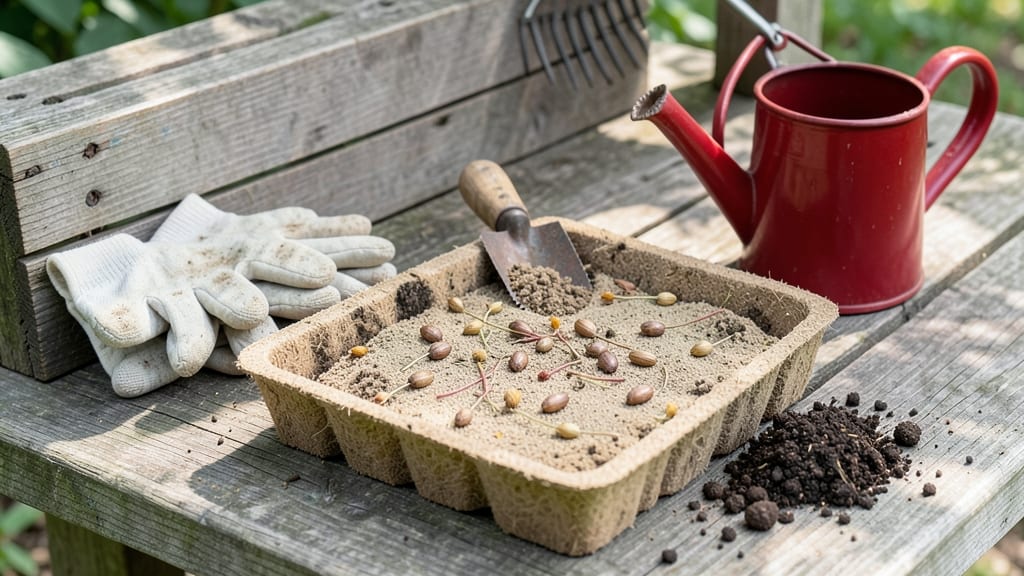
Planting wildflower seeds in Texas at the wrong time can mean waiting another year for your fields to burst into a 🌼 bluebonnet paradise. The key isn't just when you plant—it's understanding how Texas' diverse climate zones create wildly different success windows from North to South.
In 8a-10b zones, you might think spring is the only option, but savvy gardeners know fall planting often yields faster germination and hardier blooms.
The difference between a 5-month wait for spring flowers and a winter-to-spring show comes down to soil prep, rainfall timing, and knowing your region's last frost dates.
Whether you're in drought-prone West Texas or humid East Texas, I'll break down the best planting months for each zone—and how to adjust for Texas' unpredictable weather. By the end, you'll know exactly when to scatter those seeds for zero-frost, vibrant blooms year after year.
Let's cut through the guesswork and get your Texas wildflowers thriving on schedule—no more missed opportunities for that iconic spring (or fall!) color explosion.
Texas wildflower planting calendar by region: exact months for frost-free blooms
Texas’ diverse climate means planting times vary dramatically from North Texas to South Texas. The key is planting when soil temperatures are ideal—typically 60-70°F—and avoiding late frosts that can kill tender seedlings. For annual wildflowers like bluebonnets, timing is critical to see blooms by spring.
In North Texas (USDA Zones 7b-8a), the last frost usually hits around February 15, but fall planting (September-October) is ideal for winter bloomers. Central Texas (Zones 8a-8b) enjoys milder winters, so September-November is perfect for fall sowing, while South Texas (Zones 9a-10b) can plant year-round with peak times in fall and early spring.
East Texas, with its higher humidity and later frosts (often until March 1), benefits from late winter planting (February-March) for spring blooms. Meanwhile, West Texas, with its arid conditions, requires early fall planting (August-September) to establish roots before summer heat.
| Region | Best Planting Window | Key Species | Last Frost Date |
|---|---|---|---|
| North Texas | September-October (fall) or February-March (spring) | Bluebonnets, Indian paintbrush | February 15 |
| Central Texas | September-November (fall) or March-April (spring) | Mexican hat, winecups | January 15 |
| South Texas | September-December (fall) or February-March (spring) | Black-eyed Susans, coreopsis | January 1 (rare) |
| East Texas | February-March (spring) or September-October (fall) | Lantana, salvia | March 1 |
| West Texas | August-September (fall) or March-April (spring) | Prickly poppy, desert marigold | February 1 |
For perennial wildflowers, like Texas bluebonnets, fall planting is non-negotiable. Seeds need cool soil and consistent moisture to germinate, which is why September-October is the gold standard across most regions. Spring planting works for annuals but risks bolting (premature flowering) if sown too early.
Pro tip: Use a seed germination guide to check specific species. For example, bluebonnets need stratification (a cold period) to break dormancy, while coreopsis germinates quickly in warm soil.
Always test soil moisture before planting—Texas’ sandy soils dry out fast, so aim for 1-2 inches of water per week after sowing.
If you’re in urban areas like Dallas or Houston, container planting extends your window. Start seeds indoors in late winter (January-February) and transplant after last frost. For roadside medians, fall planting is ideal—seeds establish before summer heat and bloom by spring.
Remember: Rainfall timing matters just as much as temperature. Plant during dry spells to avoid seed washout, but avoid prolonged drought after sowing. In South Texas, hurricane season (June-November) can disrupt germination, so September planting is safest.
For zero-frost success, align your planting with local weather patterns. Check the National Weather Service for 10-day forecasts and plant when stable temperatures are predicted. In North Texas, a late frost in March can still threaten seedlings, so cover with frost cloth if needed.
Finally, native wildflowers are your best bet—they’re adapted to Texas’ climate extremes and require minimal intervention. Mix early bloomers (like wild indigo) with late-season flowers
How to adjust planting times for Texas weather extremes: heat, drought, and unpredictable rains
Texas weather is famously unpredictable—one week can bring scorching 100°F heat, the next a freezing 28°F frost. These extremes force wildflower gardeners to adapt planting strategies. The key is pre-sprouting seeds during late winter or using frost blankets for early spring plantings.
For example, North Texas gardeners should delay outdoor planting until mid-March to avoid late frosts, while South Texas can start as early as January.
Drought is another major challenge. Wildflower seeds need consistent moisture to germinate, but Texas summers can bring zero rainfall for months. My solution? Use a lightweight mulch like straw to retain soil moisture, and plant during fall rains (September-October) when natural irrigation is most reliable.
This timing also gives seedlings a head start before summer drought sets in.
Late Frost Warning
Texas' unpredictable late frosts (especially in North Texas) can wipe out young seedlings. If planting in February or early March, have frost cloths ready. Monitor local weather alerts and cover plants if temperatures drop below 32°F. Even a 30-minute frost can damage tender wildflowers like bluebonnets.
Soil type plays a critical role in Texas wildflower success. Sandy soils in West Texas drain too quickly, while clay soils in East Texas can suffocate roots. I recommend amending clay soil with compost and adding organic matter to sandy soil.
For both, a light raking after planting helps seeds make contact with moisture-rich topsoil. Avoid tilling—wildflower seeds need minimal disturbance to germinate properly.
Unpredictable rains can either help or harm your wildflower garden. Heavy downpours can wash away seeds or create waterlogged soil, while sudden droughts stress seedlings. My strategy? Plant during light, frequent rains (like September showers) and use erosion control blankets on slopes.
For established plants, deep watering once weekly during summer droughts keeps them thriving without encouraging fungal growth.
For gardeners in urban areas, microclimates matter. A downtown Houston garden might be 5°F warmer than suburban areas just miles away. Use local weather stations (like those from the National Weather Service) to track your specific zone.
Adjust planting times accordingly—sometimes just 2 weeks earlier or later can mean the difference between success and failure.
Remember, Texas wildflowers are resilient once established, but the first 30 days are critical. By adapting to these weather extremes—whether through timing adjustments, soil prep, or protective measures—you’ll give your wildflowers the best chance to thrive.
The payoff? A year-round display of color that even Texas’ toughest weather can’t stop. 🌻