
Flowers
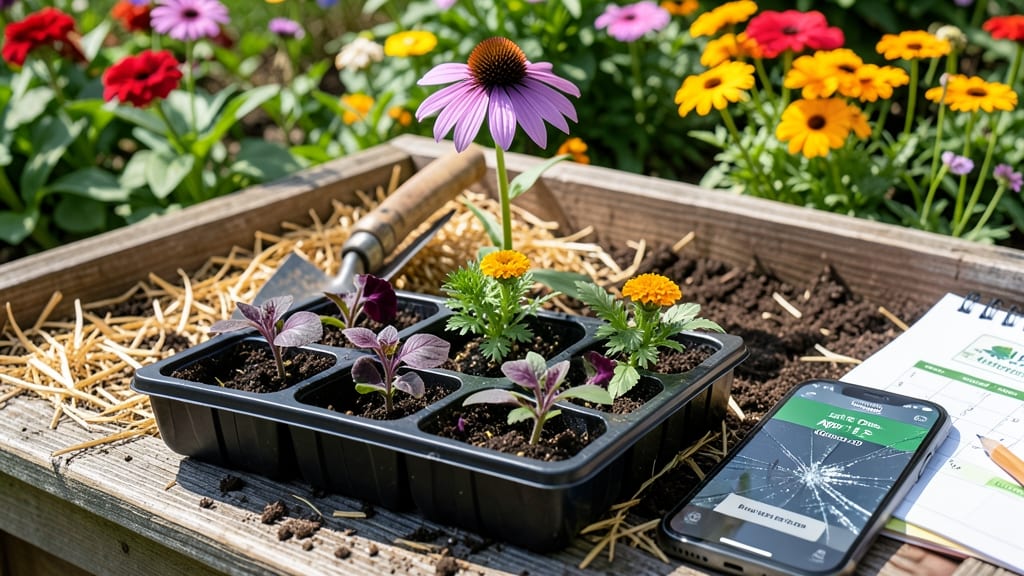
Planting your 🌸 Flowers in Missouri at the safe time means either frost-killed blooms or waiting too long for summer color. The key to avoiding both? Knowing your exact zone’s last frost date—and this guide gives you the precise weeks to plant for zero-frost success.
Missouri’s 5b-6b zones have wildly different frost timelines, from late April in southern regions to mid-May in northern areas. That 2-week gap can mean the difference between a lush garden and a sad, wilted mess.
I’ll show you how to pinpoint the safest planting window for your specific location, whether you’re in St. Louis or Kansas City.
Annuals like petunias and marigolds need consistent warmth to thrive, while perennials like coneflowers can handle a little chill. We’ll break down the ideal soil temperatures (50°F+) and regional planting schedules so you never guess again. Ready to turn your garden into a blooming paradise?
With this timeline, you’ll skip the frost damage and enjoy months of vibrant flowers—no more waiting until June for color. Let’s get those 🌸 Flowers in the ground the right way, the first time. Here’s how to do it perfectly for your Missouri zone.
Missouri frost zones explained: when last spring frost dates actually matter
Missouri’s USDA Hardiness Zones 5b-6b create dramatic differences in frost timing—St. Louis (Zone 6a) can plant 3 weeks earlier than the Ozarks (Zone 5b).
The last spring frost typically arrives between mid-April and early May, but your exact location determines whether you’re safe to plant petunias by April 15th or need to wait until May 1st.
Northern Missouri (Zones 5a-5b) faces higher frost risk through early May, while southern counties (Zones 6a-6b) often see consistent frost-free conditions by April 20th. Even within cities, microclimates matter—urban areas like Kansas City warm faster than rural farmland. Always check local frost records before breaking out your trowels.
Here’s how frost zones break down across Missouri’s major regions and what it means for your flower planting schedule:
| Region | USDA Zone | Avg. Last Frost | Safe Planting Window |
|---|---|---|---|
| Northern Missouri (e.g., Kirksville) | 5a-5b | May 5–10 | Wait until after May 15 |
| Central Missouri (e.g., Columbia) | 6a | April 25–May 5 | Safe by May 1 |
| St. Louis/Kansas City | 6a-6b | April 15–25 | Ready by April 30 |
| Southern Missouri (e.g., Springfield) | 6b-7a | April 10–20 | Plant by April 25 |
Use these historical frost dates as guidelines, but always monitor your local weather forecasts for late-season cold snaps. For example, St. Louis hit 32°F in late April 2021, catching gardeners off guard. Pro tip: Sign up for free frost alerts from the National Weather Service to avoid frost-related heartbreak.
Soil temperature matters just as much as air temperature. Most annual flowers need soil to reach at least 50°F before planting. In northern Missouri, this often means waiting until late May, while southern gardens can start as early as mid-April.
Use a soil thermometer to confirm readiness—your marigolds will thank you.
Perennials like coneflowers and black-eyed Susans are more frost-tolerant, but even they benefit from waiting until after the last frost. Planting too early stresses roots, leading to stunted growth or poor blooming.
For cold-hardy varieties, you can cheat the system with row covers, but I’ll cover those strategies in the next section.
Missouri’s first fall frost typically arrives between mid-October and early November, giving you a 165-day growing season for warm-season flowers. Plan your fall planting accordingly—cosmos and zinnias can handle light frosts, while tender annuals like geraniums need to go in by mid-September.
To find your exact last frost date, check the Missouri Botanical Garden’s frost map or use the USDA Plant Hardiness Zone Map. For urban gardeners, city heat islands can push frost dates 1-2 weeks later than rural areas. Always adjust your timeline based on your specific microclimate.
Remember: Frost dates are averages, not guarantees. When in doubt, wait one more week—your garden’s longevity is worth the patience. Next, we’ll dive into the exact week-by-week planting schedule for Missouri’s most popular flowers, including heat-tolerant varieties for late starts.
Best flower planting timeline by Missouri region (with frost-free guarantees)
Missouri’s 5b-6b zones create a 2-week difference in frost-free dates, so your St. Louis garden might be ready in early April while Kansas City waits until mid-May. This timeline gives you the exact weeks to plant annuals vs. perennials based on your region’s last frost averages.
For annual flowers like petunias and marigolds, wait until soil temperatures hit 50°F+—typically 2-3 weeks after your region’s last frost date. Perennials like coneflowers are more forgiving and can handle cooler soil, so they get a 1-week head start.
Here’s your region-specific planting schedule with frost-free guarantees:
| Region | Last Frost Date | Annuals Planting Window | Perennials Planting Window | Heat-Tolerant Varieties |
|---|---|---|---|---|
| Southern MO (5b) | Mid-April | Late April - Early May | Early April - Mid-April | Lantana, Zinnias |
| St. Louis (6a) | Early April | Late April - Early May | Mid-March - Early April | Petunias, Vinca |
| Columbia (6b) | Late March | Early April - Late April | Late March - Early April | Marigolds, Snapdragons |
| Kansas City (6a) | Mid-April | Late April - Early May | Early April - Mid-April | Cosmos, Portulaca |
| Northern MO (5b) | Mid-May | Early May - Mid-May | Late April - Early May | Black-Eyed Susans, Coneflowers |
Pro tip: Use heat-tolerant varieties if you’re in a northern zone and need to push planting later. For example, cosmos and portulaca thrive in hotter soil and can handle delayed starts.
For fall planting, aim for 6-8 weeks before your region’s first frost (typically mid-September). Cool-season annuals like pansies and snapdragons love this timing for autumn blooms.
Check your local soil temperature with a soil thermometer—it’s the final green light before planting. If it’s below 50°F, wait another week to avoid cold-sensitive roots.