
Flowers
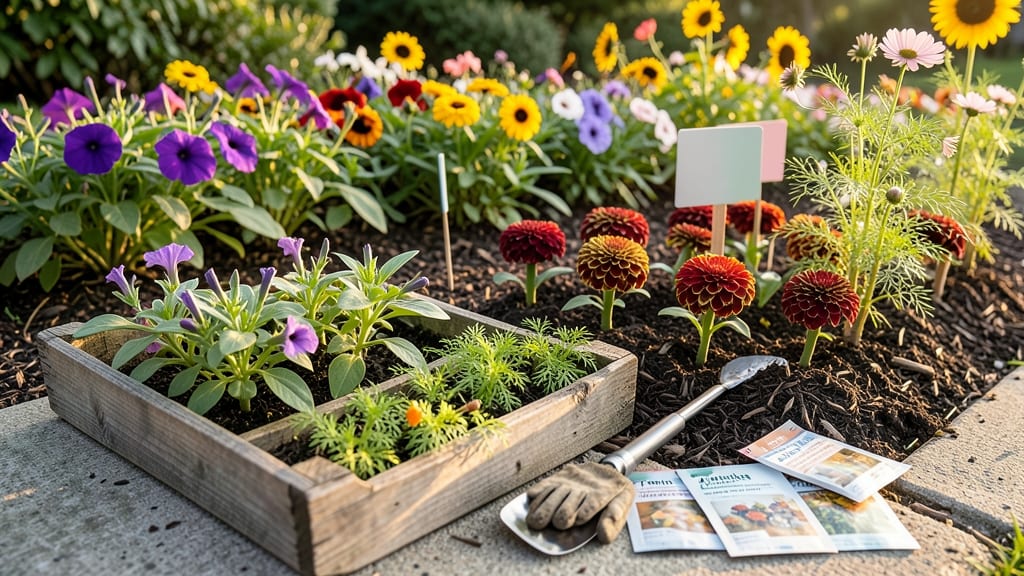
Planting flowers in St. Louis at the wrong time can mean the difference between a vibrant garden and a sad, frost-bitten disappointment. With USDA Zone 6a’s unpredictable springs, knowing when to plant is the key to success—and I’ve got the exact timing you need to avoid common mistakes.
Most gardeners in St. Louis rush to plant too early, only to watch their tender blooms wilt in late frosts. But timing isn’t just about avoiding frost—it’s also about giving your 🌸 flowers the best shot at thriving in our humid summers and chilly falls.
Whether you’re planting annuals, perennials, or bulbs, the right window makes all the difference.
In this guide, I’ll break down the perfect planting windows for St. Louis, from the last frost date (around April 15) to the best fall prep strategies. You’ll learn which flowers to start indoors, when to transplant, and how to adjust for your specific microclimate—urban heat islands or shaded backyards.
Ready to transform your garden? Let’s dive into the exact dates, soil prep tips, and care tricks that’ll have your flowers blooming like never before—no guesswork required.
St. louis flower planting calendar: exact dates by season and frost risk
St. Louis’ USDA Zone 6a climate means frost can linger until mid-April, while summer heat arrives early. To maximize blooms, align your planting with soil temperatures and frost-free windows. Spring is ideal for perennials and cool-season annuals, while fall offers a second chance for heat-loving varieties.
Let’s break down the best times to plant for zero frost damage and peak summer color.
Start with bulbs and early perennials in March (e.g., tulips, daffodils, bleeding heart). These thrive when soil reaches 50°F—test with a thermometer or wait until mid-March for safety. Annuals like pansies and snapdragons can handle light frosts, so plant them by early April for spring blooms.
Wait until after the last frost (April 15) for heat-sensitive annuals like petunias, geraniums, and marigolds. Use row covers if planting earlier to protect young shoots. For summer-blooming perennials (e.g., coneflowers, black-eyed Susans), divide and transplant in late April to early May once soil warms to 60°F.
🌱
| Season | Plant Type | Best Planting Window | Notes |
|---|---|---|---|
| Spring | Bulbs (Tulips, Daffodils) | March (soil 50°F+) | Plant after frost risk passes. |
| Spring | Cool-Season Annuals (Pansies, Snapdragons) | Early April | Tolerate light frost; mulch for protection. |
| Spring | Heat-Loving Annuals (Marigolds, Petunias) | After April 15 (last frost) | Use row covers if planting earlier. |
| Summer | Summer Perennials (Coneflowers, Black-Eyed Susans) | Late April–Early May (soil 60°F+) | Transplant established plants. |
| Fall | Fall Annuals (Mums, Kale Flowers) | September (6–8 weeks before first frost) | Plant for October–November blooms. |
| Fall | Spring-Blooming Bulbs (Tulips, Hyacinths) | October (soil 60°F+) | Plant before ground freezes. |
For summer planting (June–August), focus on heat-tolerant annuals like zinnias, cosmos, and sunflowers. These thrive in St. Louis’ humid summers and bloom until frost. Direct-sow seeds after June 1 for continuous color, or transplant established plants in late May.
Fall planting (September–October) is a game-changer for St. Louis gardeners. Aim to plant annuals like mums and pansies by mid-September to enjoy blooms until first frost (October 31). Spring-blooming bulbs (tulips, daffodils) should go in the ground by October 15—soil should still be workable but cooling.
Pro tip: Use St. Louis’ 165 frost-free days to plan succession planting. For example, sow fast-growing cosmos in early June for blooms until frost, then replace with fall pansies in September. This ensures nonstop color from spring to fall.
🌼
Monitor local weather forecasts and adjust planting dates by 1–2 weeks if frost lingers or heat arrives early. For example, if May temperatures spike above 85°F, prioritize shade-tolerant varieties like impatiens or begonias. With this calendar, your St. Louis garden will bloom beautifully—no frost surprises!
How to adjust planting times for St. louis’ microclimates and frost quirks
St. Louis’ diverse microclimates mean your neighbor’s perfect planting window might not work for your garden. Urban heat islands in downtown areas can be 5-10°F warmer than rural zones, while shaded backyards stay cooler longer.
I’ll show you how to tweak planting times based on your specific conditions—so you’re never caught off guard by late frosts or scorching summers.
First, check your garden’s exposure: south-facing spots warm up fastest, while north-facing areas stay frost-prone longer. If you’re in a shaded garden, plant cold-hardy flowers like pansies or violas 2-3 weeks earlier than sun-lovers.
For urban gardeners, heat-tolerant varieties like marigolds or zinnias thrive in pavement-warmed soil that might kill tender seedlings elsewhere.
🌱 Pro Tip: Use a soil thermometer—most flowers need soil temps above 50°F to germinate. In St. Louis, this usually aligns with mid-April, but urban areas may hit this threshold weeks earlier.
🌡️ Urban vs. Rural St. Louis Planting Adjustments
🏙️ Urban Gardens
- Plant 2-3 weeks earlier for heat-tolerant flowers
- Use mulch heavily to retain moisture
- Choose drought-resistant varieties (e.g., lavender, coneflowers)
🌾 Rural Gardens
- Wait for consistent 50°F soil temps (often mid-April)
- Prioritize frost-hardy perennials (e.g., peonies, daylilies)
- Use row covers for early spring planting
For shaded gardens, extend your planting season by selecting low-light tolerant flowers like impatiens or ferns. These thrive when others struggle, and you can often plant them 2-4 weeks later than sun-loving varieties. Just remember: even shade gardens can experience late spring frosts, so monitor your local forecast.
🌿 Warning: St. Louis’ infamous flash frosts in May can catch gardeners off guard. If nighttime temps dip below 32°F after your last frost, protect tender seedlings with lightweight row covers or move potted flowers indoors temporarily. This simple trick can save your entire garden from a single cold snap.
Finally, use local weather data to fine-tune your schedule. The Missouri Botanical Garden’s planting calendar (available online) provides real-time updates on frost risks.
For example, if their forecast shows a 90% chance of frost after your planned planting date, delay by a week—your flowers will thank you with longer, healthier blooms.