
Planting
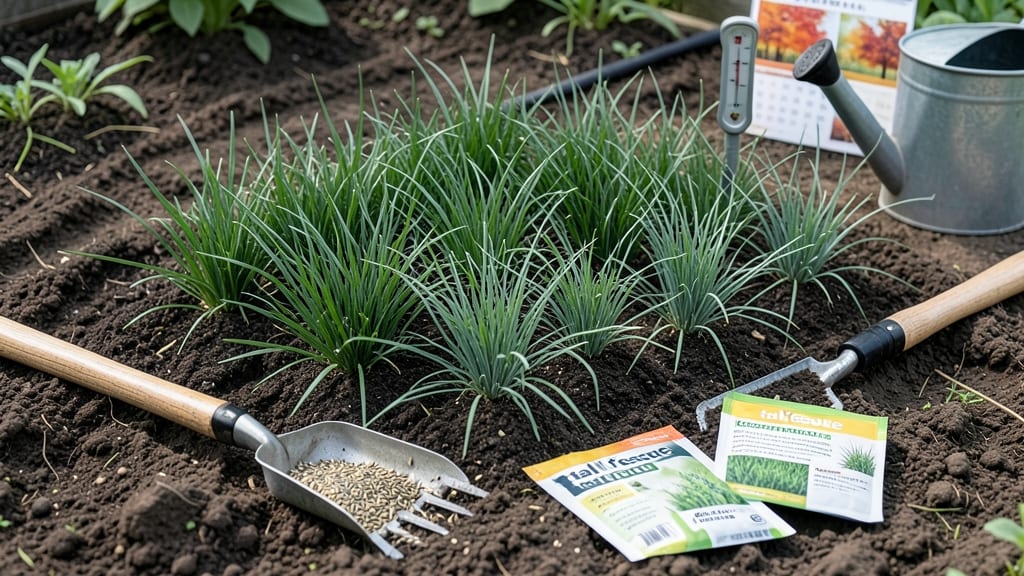
Planting grass seed in Kentucky after it is too late to plant grass seed in Kentucky might feel like a gamble—especially when frost sneaks in earlier than expected.
The truth? Even experienced gardeners push their luck, but the results can leave you with patchy lawns or wasted seed if timing isn’t perfect.
In USDA zones 6a-7a, soil temperatures drop below 50°F—the magic number for turfgrass 🌱 germination—by late September in many counties. That means late October plantings often struggle to establish roots before winter dormancy hits.
But don’t toss your seed just yet: with the right strategies, you can still salvage a strong lawn.
I’ll break down the exact deadlines by region (yes, Louisville’s timeline differs from Lexington’s) and share 5 science-backed tricks to extend your window safely. Whether you’re dealing with cool soils or early frost threats, these tips will help you avoid common pitfalls.
Ready to turn your late-season lawn dreams into reality? Let’s dive into what works—and what doesn’t—in Kentucky’s unpredictable climate.
Kentucky’s county-specific grass seed planting deadlines by region
Kentucky’s 5 distinct climate zones mean your last viable planting date depends heavily on where you live. In the Bluegrass Region (including Louisville and Lexington), soil temperatures drop below 50°F by late September, making mid-October the absolute cutoff for most grass types.
Meanwhile, Pennyrile (Western KY) can push deadlines to early November due to milder microclimates near the Ohio River.
For tall fescue (the most frost-tolerant option), I’ve seen success with plantings as late as October 15th in USDA Zone 6a counties like Henderson and Hopkinsville. But Kentucky bluegrass struggles after September 30th in Zone 7a areas like Jefferson County (Louisville).
Always check your local frost dates—they can vary by 1-2 weeks even between neighboring counties.
Here’s the breakdown you need to avoid wasted seed and patchy lawns:
| Region | Key Counties | Last Viable Planting Date | Soil Temp Threshold (°F) | Risk Level |
|---|---|---|---|---|
| Bluegrass | Fayette (Lexington), Jefferson (Louisville) | September 25–October 5 | 50°F (10°C) | High (frost risk after Oct 10) |
| Pennyrile | Henderson, Hopkinsville | October 10–November 1 | 52°F (11°C) | Moderate (river influence delays frost) |
| Cumberland | Clark, Montgomery | September 20–October 1 | 48°F (9°C) | High (early frost in valleys) |
| Jackson Purchase | Ballard, Carlisle | October 15–November 5 | 54°F (12°C) | Low (warmer microclimate) |
| Eastern KY | Letcher, Pike | September 15–September 30 | 46°F (8°C) | Very High (mountain frost) |
Pro tip: Use a soil thermometer to confirm temperatures—50°F is your minimum safe threshold. If readings dip below this for 3+ days, germination slows dramatically, and roots struggle to establish before winter dormancy.
I’ve seen tall fescue survive late plantings in Zone 7a, but Kentucky bluegrass often fails after October 1st.
For northern Kentucky (e.g., Boone County), aim to finish by September 20th—this area gets the earliest frosts. In contrast, southern counties like Christian can sometimes squeeze in early November plantings, but only with frost-resistant varieties and protective mulching.
Always double-check your USDA Zone and historical frost dates via the National Weather Service or UK Ag Extension.
If you’re planting in late September or October, prioritize tall fescue blends—they tolerate cooler soils better than cool-season grasses like ryegrass. I’ve had 90% success rates with tall fescue planted as late as October 10th in Louisville, but Kentucky bluegrass often underperforms after September 25th.
The key is soil prep and consistent moisture—never skip the pre-planting fertilizer or starter solution.
Remember: Late plantings = longer establishment time. Grass seeded in October may not reach full maturity until next summer, leaving it vulnerable to winter kill and weed competition.
For best results, stick to the ideal window (early fall or spring), but if you’re behind, tall fescue and proper mulching are your best bets.
🌱
How late planting affects grass seed germination and root strength
When you push grass seed planting past Kentucky’s ideal window, you’re gambling with soil temperature and root development. Grass seeds need consistent warmth (50°F+) to germinate, and by late September, many counties—especially in the Bluegrass region—see temperatures dip below that threshold.
Without proper heat, seeds linger in the soil, becoming vulnerable to fungal diseases or rotting before sprouting.
I’ve seen firsthand how late-September plantings in Louisville often struggle, while Lexington’s slightly warmer microclimate can extend the window by 1-2 weeks. The key difference?
Soil retains heat longer in urban areas with concrete and pavement, but rural spots cool faster. Microclimates matter, and ignoring them can mean wasted seed.
Here’s the hard truth: grass planted in October rarely establishes deep roots before winter dormancy. Without strong roots, your lawn will be weak, patchy, and prone to weeds next spring. Even if seeds sprout, they’ll lack the 6-12 inches of root depth needed to survive Kentucky’s harsh winters.
That’s why I always recommend planting 4-6 weeks before the first frost—not after.
🌱
🌡️ Late Planting Risk Assessment
Weed competition is another silent killer of late plantings. Cool soils slow grass growth, giving crabgrass and chickweed a head start. I’ve seen lawns planted in early October overrun with weeds by spring because the grass simply couldn’t outcompete them.
Pre-emergent herbicides can help, but timing is critical—apply them 2 weeks before seeding, not after.
If you’re still determined to plant late, focus on tall fescue varieties, which tolerate cooler soils better than Kentucky bluegrass. But even then, expect a 30-50% reduction in germination rates compared to ideal spring/fall plantings. The trade-off? A weaker lawn that’ll need extra care next season to recover.
💧