
Plants
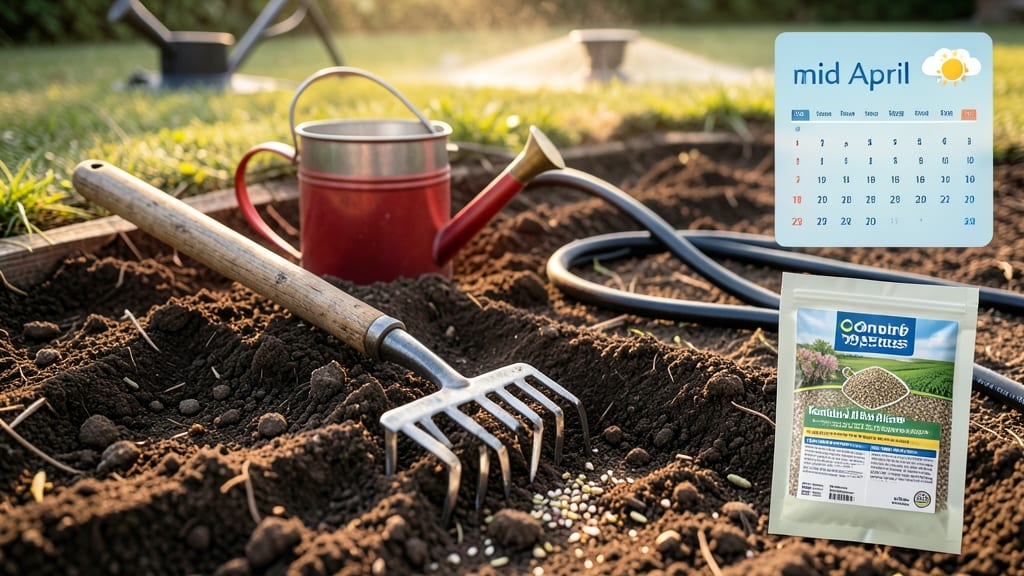
Timing your grass seed planting just right in spring can mean the difference between a lush, vibrant lawn and months of patchy frustration. Too early, and cold soil slows germination; too late, and summer heat stresses young sprouts.
The sweet spot? When soil hits 50-65°F—typically 4-6 weeks after your last frost date—giving your 🌱 a fighting chance to establish strong roots before summer arrives.
But here’s the catch: regional climates throw a wrench into the plan. In cooler zones like USDA 6a, early April might work, while Southern gardeners should wait until May.
I’ll break down exactly how to check soil warmth (yes, it’s easier than you think) and align your planting with local rainfall patterns for foolproof success.
You’ll also discover the three biggest mistakes that derail early spring seeding—and how to sidestep them. Think soil prep, seed selection, and even when to skip planting altogether if Mother Nature has other plans. Let’s get your lawn off to the best possible start.
Ready to transform bare patches into a green carpet? Grab your thermometer and a notebook—we’re diving into the exact checklist for planting grass seed at the perfect moment this spring.
Ideal spring planting windows based on soil temperature and region
Spring’s fleeting window for grass seed planting hinges on two critical factors: soil temperature and your local climate zone. Grass seeds need warm soil—ideally between 50-65°F—to germinate efficiently. Planting too early in cold soil slows growth, while waiting too long risks summer drought stress.
The key? Align your planting with 4-6 weeks after your last frost date, when soil consistently stays above 50°F.
Your region plays a starring role here. In Northern states (USDA Zones 3-6), aim for early to mid-April, while Southern gardeners (Zones 7-10) should wait until May. I’ll show you how to check soil warmth at home—no fancy tools required—and adjust your timeline based on your zone.
Let’s dive into the temperature-based checklist that’ll save you from patchy lawn headaches.
🌱 PRO TIP: Use a soil thermometer (just $10 at garden centers) to test depth. Grass seeds need warmth at 2-4 inches deep—surface temps can be misleading!
If you’re unsure about your last frost date, check the USDA Plant Hardiness Zone Map or ask your local cooperative extension service. For example, in Zone 5, planting in early April (when soil hits 52°F) gives seeds 8-10 weeks to establish before summer heat arrives.
In Zone 9, waiting until May avoids the 100°F+ temperatures that can bake young grass roots.
Here’s my 3-step soil test to confirm readiness:
- Insert a soil thermometer 2 inches deep in shaded soil (morning is best).
- Wait 5 minutes for an accurate reading.
- If temps are below 50°F, wait 1-2 weeks or use a black plastic mulch to warm the soil faster.
For cool-season grasses (like Kentucky Bluegrass or Fescue), early spring is perfect—they thrive in 60-75°F temps. Warm-season grasses (Bermuda, Zoysia) prefer late spring planting (after May 15 in most regions) to avoid winter kill. Always check your seed packet for specific recommendations—some varieties are hybrids that need precise timing.
Pro move: If your spring is unusually wet or dry, adjust your timeline. Too much rain? Wait until soil dries slightly to avoid seed rot. Too dry? Pre-water the area for 3-4 days before planting to kickstart germination. The goal is consistent moisture without waterlogging.
Remember: Fall planting (late summer to early fall) is often the best time for grass seed—cooler temps and fewer weeds make establishment easier. But if you’re set on spring, this temperature checklist will keep your lawn on track for a thick, green carpet by summer.
Next up: How to align your planting with spring rainfall patterns—because even the best-timed seeds need the right moisture to sprout. Let’s talk 7-day moisture tracking and what to do when Mother Nature skips her turn with the rain. ☔
Spring rainfall patterns: how to time planting for moisture success
Timing your grass seed planting with spring's natural rainfall patterns is just as important as soil temperature. Grass seeds need consistent moisture to germinate—about 1-1.5 inches of water per week—but too much rain can wash seeds away or create soggy soil.
The key is planting when your region typically receives steady, moderate rainfall without prolonged downpours.
Most grass varieties thrive with 1-2 inches of rainfall per week during the first 2-3 weeks after planting. If your local forecast predicts dry spells, plan to supplement with irrigation.
For example, in the Southern U.S., spring showers often arrive by late March, while the Northern U.S. may need to wait until May for reliable moisture.
🌱 Pro Tip: Check your local 7-day rainfall forecast before planting. Aim for a window with 3-5 days of light rain or plan to water manually every 2-3 days to keep the soil evenly moist.
🌧️ 7-Day Moisture Tracking Guide for Optimal Germination
- 📅 Day 1-3: Plant seeds after light rain or water deeply (1 inch). Keep soil moist but not saturated.
- 💧 Day 4-5: Light misting if no rain occurs. Avoid heavy watering to prevent seed displacement.
- 🌱 Day 6-7: Seeds should sprout if moisture is consistent. Reduce watering slightly to prevent fungal growth.
- 🌧️ Day 8+: If rain returns, let nature take over—just ensure no puddling occurs.
- ⚠️ Warning: Avoid planting during heavy rain forecasts—seeds can wash away or rot.
If your spring is unusually dry, consider using a seed starter fertilizer with a water-retention polymer to help seeds hold moisture. For regions with unpredictable rainfall, like the Midwest, planting in early April (after the last frost) often aligns with the start of consistent spring showers.
💡 Remember: Overwatering is just as harmful as underwatering. Grass seeds need oxygen to germinate, so avoid waterlogged soil. If your area experiences prolonged dry spells, consider delaying planting until fall when rainfall patterns are more stable.
For the best results, combine rainfall tracking with soil temperature checks. For example, if your soil is 60°F+ but your forecast shows 5 days of dry weather, it’s safer to wait a week or two for natural moisture. Consistency is key—whether from rain or your hose!