
Plants
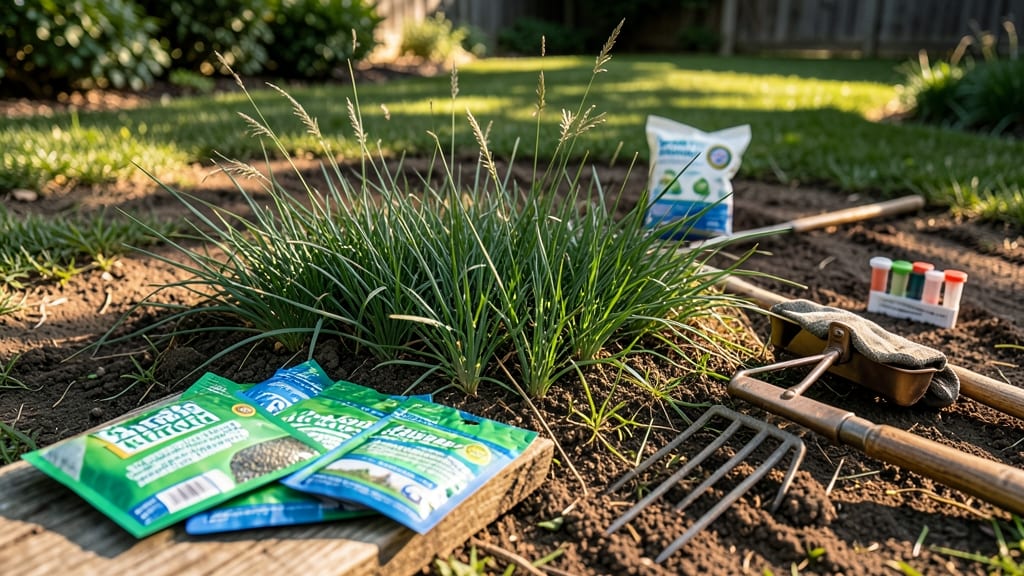
Planting grass in Kansas at the wrong time can turn your dream of a lush lawn into a frustrating battle against weeds and patchy growth. The best time to plant your 🌱 turfgrass isn't just about the calendar—it's about soil warmth, rainfall patterns, and avoiding Kansas' scorching summer heat.
In Kansas' USDA zones 5b-6b, early spring (March-April) and early fall (September-October) offer the perfect conditions for grass seed to germinate and establish strong roots. These windows provide the ideal balance of soil temperatures between 55°F and 65°F and consistent moisture without the extreme heat that stresses new grass.
I've learned the hard way that planting too early—when the soil is still cold—or too late—when summer's heat arrives—can mean wasted seed and months of disappointment. The key is understanding your local microclimate and preparing your soil properly before the planting window opens.
In this guide, I'll walk you through exactly when to plant for fast, healthy establishment, how to prepare your Kansas lawn for success, and what to watch out for after you've put in all that hard work. Let's get your grass growing the right way from day one.
Kansas grass planting timeline: soil temperature & rainfall requirements for optimal growth
Timing your grass planting in Kansas isn’t just about the calendar—it’s about matching your schedule with soil temperatures, rainfall patterns, and USDA hardiness zones (5b-6b). The best windows are early spring (March-April) and early fall (September-October), when conditions are perfect for seed germination and root establishment.
In Kansas, soil must reach 55°F+ for grass seeds to sprout consistently. Western Kansas (drier regions) often warms faster than eastern Kansas, so adjust your timeline by 1-2 weeks accordingly. Rainfall also plays a critical role—Kansas averages 20-30 inches annually, but summer droughts can stress young grass.
Spring planting should happen after your last frost date (typically mid-April in most of Kansas) but before summer heat sets in. Fall planting works best 6-8 weeks before first frost (usually mid-October), giving grass time to establish roots before winter dormancy.
Here’s a quick reference for Kansas’s ideal planting conditions:
| Season | Ideal Months | Soil Temp (°F) | Rainfall Needs | Key Consideration |
|---|---|---|---|---|
| Early Spring | March-April | 55°F-65°F | 1-1.5 inches/week | Avoid planting if frost is forecasted |
| Early Fall | September-October | 60°F-70°F | 1-2 inches/week | Stop planting 6 weeks before first frost |
| Late Summer | August (risky) | 70°F+ | Consistent watering | Only for drought-resistant varieties like buffalo grass |
For eastern Kansas (e.g., Kansas City), aim for late March to early April in spring and mid-September to early October in fall. In western Kansas (e.g., Garden City), shift your timeline 2-3 weeks earlier due to faster soil warming and lower rainfall.
Kansas’s USDA Zone 5b-6b climate means your grass will experience 165-200 frost-free days. Use this to your advantage: Plant in March or September to maximize growing time before extreme heat or cold arrives. Avoid planting in June-July when temperatures often exceed 90°F, causing seed desiccation.
Pro tip: Check the National Weather Service for Kansas’s 7-day soil temperature forecasts. A soil thermometer (available for ~$15) is your best tool for precision planting—aim for 55°F+ at 4 inches deep for consistent germination.
If you’re planting cool-season grasses like Kentucky bluegrass or tall fescue, prioritize fall planting—it accounts for 60% of successful lawns in Kansas due to cooler temps and steady rainfall. Warm-season grasses like buffalo grass can handle late spring/early summer planting but require daily watering for the first 30 days.
Remember: Weed competition is your biggest enemy in Kansas. Planting at the right time ensures your grass outpaces weeds like crabgrass, which thrives in summer heat. A well-timed lawn in Kansas can reduce weeds by up to 80% in the first growing season.
Kansas grass planting timeline: soil temperature & rainfall requirements for optimal growth
Kansas’s USDA hardiness zones 5b-6b create a unique challenge for grass planting—too early, and cold soil slows germination; too late, and summer heat stresses young roots. The ideal window is when soil temperatures consistently reach 55°F to 65°F, typically early spring (March-April) or early fall (September-October).
In eastern Kansas, where humidity is higher, seeds germinate faster with 0.5-1 inch of rainfall weekly. Meanwhile, western Kansas’s drier climate demands pre-watering before planting to compensate for lower natural moisture. Both regions benefit from cool-season grasses like tall fescue or Kentucky bluegrass during these windows.
| Season | Soil Temp | Rainfall Needed | Best Grass Types |
|---|---|---|---|
| Early Spring | 55°F-65°F | 0.5-1 inch/week | Tall Fescue, Kentucky Bluegrass |
| Early Fall | 60°F-70°F | 0.75-1.5 inch/week | Buffalo Grass, Fine Fescue |
| Avoid Summer | Above 75°F | High evaporation risk | None (stress risk) |
Spring planting in Kansas works best 4-6 weeks after the last frost (typically mid-April). Use a soil thermometer to confirm temps—if readings dip below 50°F, delay planting. Fall is equally critical, with 6-8 weeks before first frost (usually mid-September) allowing roots to establish before winter.
Western Kansas gardeners should prioritize drought-resistant varieties like buffalo grass, which thrives with less frequent watering once established. Eastern regions can handle Kentucky bluegrass, but require consistent moisture during germination. Both areas face weed competition if seeds don’t establish quickly—pre-emergent herbicides applied 2 weeks before planting help.
Missed the ideal window? Late summer (August) is a secondary option for cool-season grasses, but expect slower growth due to heat stress. Always test soil moisture before planting—dry conditions in western Kansas may require pre-watering for 2 weeks to mimic ideal rainfall.
Timing isn’t just about months—it’s about soil conditions. Use a moisture meter to ensure the top 2 inches of soil stay damp but not soggy. Kansas’s variable climate means checking weekly forecasts for stable temps and 0.5 inch+ rainfall predictions before seeding.