
Plants
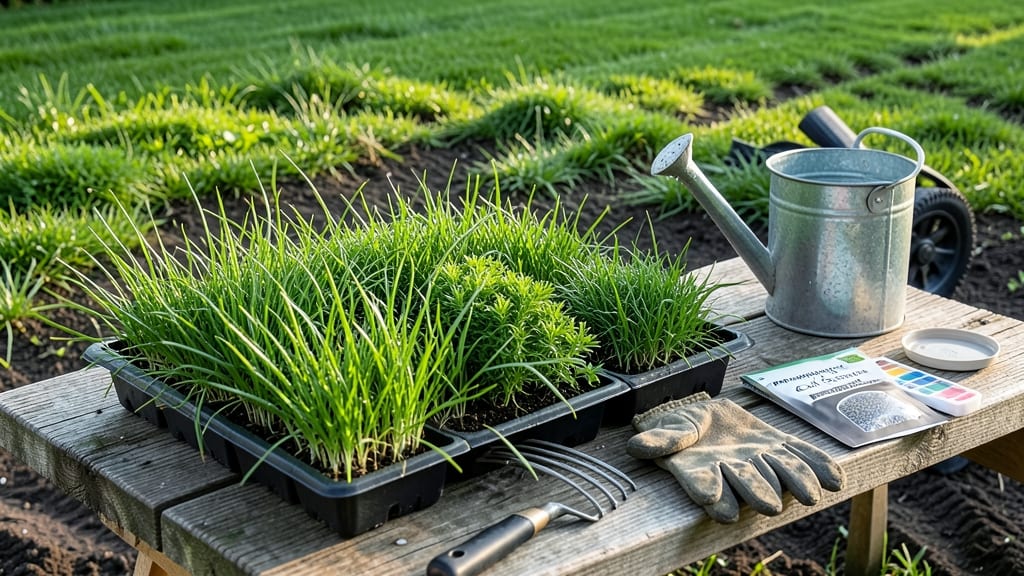
Planting your 🌱 grass at the wrong time in Pennsylvania can turn your dream green lawn into a patchy, weed-infested disappointment—unless you know the exact window to act. The best time isn’t just about seasons; it’s about soil temperatures, frost-free dates, and even your specific hardiness zone.
If you’ve ever wondered why some lawns thrive while others struggle, the answer lies in understanding when your grass seeds can actually germinate and establish strong roots.
In Pennsylvania’s 5b-7a zones, timing is everything—plant too early, and frost will kill your efforts; too late, and weeds will take over before your grass gets a chance.
I’ve researched the science behind spring vs. fall planting for Pennsylvania’s climate, and what I’m about to share will help you avoid common mistakes.
Whether you’re dealing with cool-season grasses like Kentucky bluegrass or warm-season varieties, you’ll learn the precise soil temperature thresholds and frost-free rules that make all the difference.
Ready to transform your lawn? Let’s dive into the exact months, soil conditions, and care tips that will give you the best possible start—no guesswork required.
Pennsylvania grass planting timeline by hardiness Zone (soil temp & frost rules)
Pennsylvania spans USDA hardiness zones 4-7, meaning your last frost date can vary from early April in the north to late April in the south. The key to successful grass planting isn't just avoiding frost—it's soil temperature.
Grass seeds need soil between 50-65°F to germinate properly, and waiting for these conditions ensures stronger roots before winter arrives.
Most Pennsylvania gardeners focus on spring and fall planting because summer heat and winter dormancy create challenges. Spring planting should happen 4-6 weeks before your last frost date, while fall planting should occur 4-6 weeks before your first frost.
This timing gives seedlings enough time to establish before extreme temperatures hit.
For example, in Zone 5b (northwest PA), aim for early April to mid-May in spring and mid-September to early October in fall. In Zone 7a (southeastern PA), shift to late March to early May and late August to mid-October. These windows align with soil warming trends and frost patterns.
| Zone | Last Frost Date | First Frost Date | Ideal Spring Planting | Ideal Fall Planting | Soil Temp Threshold |
|---|---|---|---|---|---|
| Zone 4-5b (NW PA) | April 15-May 1 | October 15-20 | Early April-Mid May | Mid-Sept-Oct 5 | 50-55°F |
| Zone 6a (Central PA) | April 1-May 15 | October 1-15 | Late March-May 15 | Late Aug-Sept 20 | 55-60°F |
| Zone 7a (SE PA) | March 15-April 1 | October 15-Nov 1 | Late Feb-April 15 | Late Aug-Oct 15 | 60-65°F |
⚠️ Note: Use a soil thermometer to verify temperatures before planting.
If you're planting in late summer, aim for early August at the latest. This gives seedlings time to establish before cooler weather sets in.
For warm-season grasses like Bermuda or Zoysia (less common in PA), plant in late spring when soil temps reach 65°F+, typically mid-May to June.
Pro tip: Check the Penn State Extension frost maps for your exact county, as microclimates can shift planting windows by 1-2 weeks. For example, Pittsburgh's Zone 6a often has later frosts than Harrisburg's Zone 6b, delaying spring planting by nearly a week.
One common mistake is planting too early in spring when soil is still cold. Seeds may rot instead of germinate. Conversely, planting too late in fall gives seedlings insufficient time to develop deep roots before winter dormancy. Always prioritize soil temperature over calendar dates.
For overseeding existing lawns, fall is ideal because cooler temps reduce stress on grass. Seedlings establish quickly in 60-70°F soil, and fall rains often provide natural watering. Just avoid planting when daytime temps exceed 85°F, as this stresses young grass.
Remember: Mulch lightly after planting to retain moisture and regulate soil temperature. Use straw or peat moss (never wood chips), applying a ¼-inch layer over seeds. This helps maintain that 50-65°F range critical for germination.
Finally, water deeply twice daily for the first week after planting—morning and evening—to keep soil consistently moist. Once seedlings sprout, reduce to 1 inch per week to encourage deep root growth. Adjust your schedule based on rainfall to avoid overwatering.
Best grass seed types for Pennsylvania’s spring vs. fall planting
Pennsylvania’s climate favors cool-season grasses, which thrive in the state’s mild summers and cold winters. Choosing the right type depends on your planting season—spring or fall—and whether your lawn faces drought, shade, or heavy foot traffic. Let’s break down the top options and their ideal timing. For spring planting, focus on fast-establishing grasses like annual ryegrass or tall fescue. These germinate quickly in 50-65°F soil, giving seedlings a head start before summer heat arrives. Spring is also ideal for Kentucky bluegrass, though it requires consistent moisture.- Fast germination with annual ryegrass
- Good for weed suppression early in season
- Ideal for cool evenings in April-May
- Stronger root growth before winter
- Lower water needs in cooler temps
- Best time for perennial ryegrass and fine fescue
- Risk of summer dormancy if planted too late
- Requires consistent watering during heat
- Weed competition increases if soil warms too fast
- Limited window before first frost (late Sept-Oct)
- Overwatering can cause fungal diseases in damp soil
- Slower germination than spring plantings
Pro Tip: Mix annual ryegrass (for quick cover) with perennial grasses (for long-term health) in spring. In fall, pair fine fescue with creeping red fescue for a dense, shade-friendly turf. Always test your soil’s pH (ideal: 6.0-7.0) before planting to avoid nutrient deficiencies.
🌱
Don’t overlook soil preparation—whether planting in spring or fall. Aerate compacted soil in September (for fall planting) or early April (for spring). Top-dress with 1/4-inch compost to improve moisture retention, especially if you’re planting drought-resistant varieties.
And remember: Fall planting is often the best choice for Pennsylvania’s climate, as it gives grass a 6-8 week head start before winter dormancy.
⚠️ Warning: Avoid planting Kentucky bluegrass in late summer (July-August), as high temps cause seed dormancy. If you must plant then, opt for annual ryegrass as a temporary cover crop. Always check your USDA hardiness zone (PA ranges from 5b-7a) for precise frost dates.