
Plants
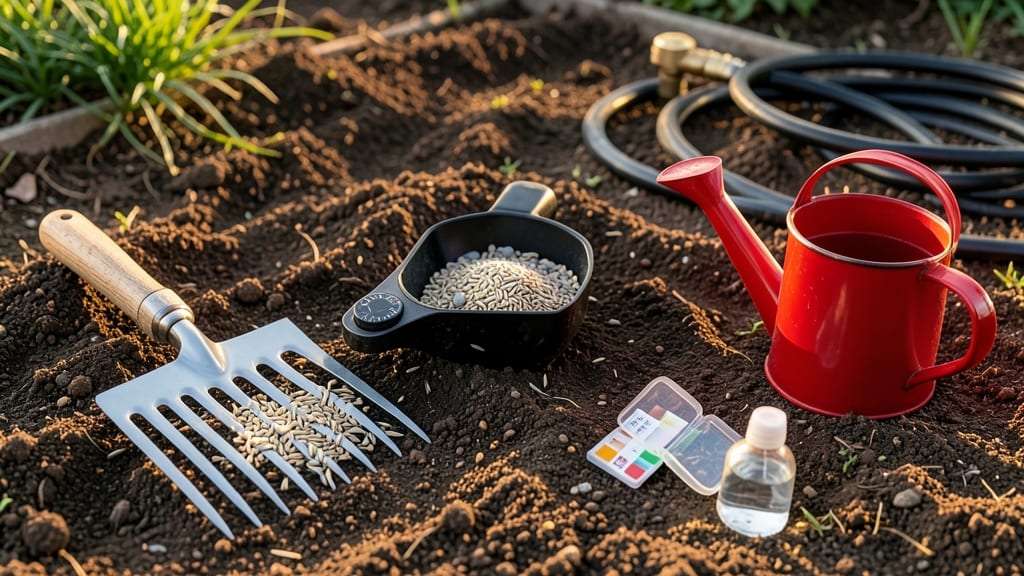
Planting grass seed in Indiana at the wrong time can turn your dream of a lush lawn into a frustrating gamble—especially when unpredictable frost dates and soil temperatures throw off your plans.
Whether you're tackling a new lawn or overseeding an existing one, getting the timing right is the key to avoiding patchy growth or wasted seed.
Indiana’s 5b-6b climate gives you two prime windows: early spring and fall, when soil temps hover between 50-65°F—the sweet spot for germination. But here’s the catch: planting too early risks frost damage, while waiting too long means summer heat can stress young grass.
I’ll break down exactly when to plant based on your region’s frost-free window and soil conditions.
Let’s cut through the guesswork. You’ll discover how to align your planting schedule with Indiana’s 165 frost-free days, prep your soil for success, and avoid common pitfalls that derail even the best-laid plans. Ready to transform your lawn into the envy of the neighborhood? Let’s get started.
From choosing the right seed for your zone to post-planting care, I’ll walk you through every step—so you can finally stop second-guessing and start growing that perfect 🌱 grass (turfgrass) you’ve been dreaming of.
Optimal Indiana grass seed planting times based on soil temperature and frost dates
Indiana's climate—with its USDA zones 5b-6b and unpredictable spring frost—demands precise timing for grass seed success. The ideal window spans early spring (March-April) and fall (September-October), when soil temperatures hover between 50°F and 65°F.
This range ensures consistent germination without risking seedling loss from late frosts or summer heat stress.
Northern Indiana (zones 5b) typically sees its last frost around mid-April, while southern Indiana (zone 6b) may be frost-free by early April. Conversely, first frosts arrive in mid-October statewide, leaving a 165-day growing window for cool-season grasses like tall fescue or Kentucky bluegrass—the best choices for Indiana lawns.
Warm-season grasses like Bermuda or Zoysia (less common in Indiana) prefer soil temps above 65°F, making late spring to early summer their window—but these are riskier due to summer drought and weed competition.
For most Indiana gardeners, fall planting (September) is superior. Cooler temps reduce water stress, and seedlings establish roots before winter. Spring planting (March-April) works if you act 4-6 weeks before last frost, but watch for soil moisture—dry springs delay germination.
Use a soil thermometer to confirm readiness. If temps dip below 50°F, germination slows; above 80°F, seeds dry out. Indiana’s spring can swing wildly—plan for flexibility and a backup watering plan.
| Season | Best Months | Soil Temp (°F) | Grass Type |
|---|---|---|---|
| Early Spring | March-April | 50-60°F | Cool-season (Tall Fescue, KBG) |
| Fall | September-October | 55-65°F | Cool-season (Best for Indiana) |
| Late Spring | May-June | 65-75°F | Warm-season (Bermuda, Zoysia) |
| ⚠️ Pro Tip: Test soil moisture before planting—it should feel like a wrung-out sponge (not soggy or dry). | |||
Indiana’s northern regions (e.g., Gary, South Bend) often face later last frosts (May 1st), while southern areas (e.g., Evansville, Louisville border) may plant 2 weeks earlier. Check your local cooperative extension for precise frost dates—every week counts for seedling survival.
If you miss the ideal window, late summer (August) is a secondary option for warm-season grasses, but success hinges on daily watering and weed suppression. Avoid planting in November—seedlings won’t establish before winter.
For overseeding (adding seed to existing lawns), aim for late summer (August) when warm-season grasses are dormant. This minimizes competition and boosts fall germination rates by 30-40% compared to spring.
Remember: Consistency beats timing. A well-prepped seedbed with proper moisture can compensate slightly for off-schedule planting. But for Indiana’s unpredictable weather, sticking to the 50-65°F soil temp rule is your best bet for a thick, uniform lawn.
How to prepare your Indiana lawn for grass seed planting in spring vs. fall
Indiana's variable climate demands careful planning before planting grass seed. Whether you choose spring or fall, proper soil prep and timing make all the difference for germination success. Cool-season grasses like tall fescue thrive in early spring, while warm-season Bermuda grass prefers late summer planting.
Before sowing, test your soil pH—ideal levels are 6.0 to 7.0 for most grasses. Indiana's clay-heavy soils often need amendments like compost or sand to improve drainage. A quick soil test kit (available at garden centers) will reveal if your lawn needs lime or sulfur adjustments.
Spring vs. Fall Planting in Indiana
- ✅ Pros: Warmer soil speeds germination
- ✅ Pros: Longer growing season for establishment
- ❌ Cons: Weeds compete aggressively
- ❌ Cons: Drought risk in late spring
- ✅ Pros: Cooler temps reduce weed pressure
- ✅ Pros: Grass establishes before winter
- ❌ Cons: Shorter window before frost
- ❌ Cons: Slower germination in cool soil
For spring planting, aim to sow seeds 4-6 weeks before Indiana's last frost (typically mid-April). Rake the soil to a depth of ¼ inch, then lightly cover seeds with straw mulch to retain moisture. Water gently twice daily until germination occurs (usually 7-21 days).
Fall planting offers advantages like fewer weeds and cooler temperatures, but work 4-6 weeks before the first frost (usually mid-October). Choose cool-season grasses like Kentucky bluegrass or ryegrass for fall. Avoid planting warm-season grasses in fall—they won't survive Indiana's winters.
After sowing, maintain consistent moisture for 4-6 weeks to encourage deep root growth. In spring, water early morning to prevent evaporation, while fall watering can be slightly reduced as rainfall increases. Apply a light layer of compost after germination to boost nutrients.
Remember: Indiana's northern regions (like Gary) have shorter frost-free seasons than the southern areas (like Evansville). Adjust your planting timeline 1-2 weeks earlier in northern Indiana to account for colder soil and later frost dates.