
Plants
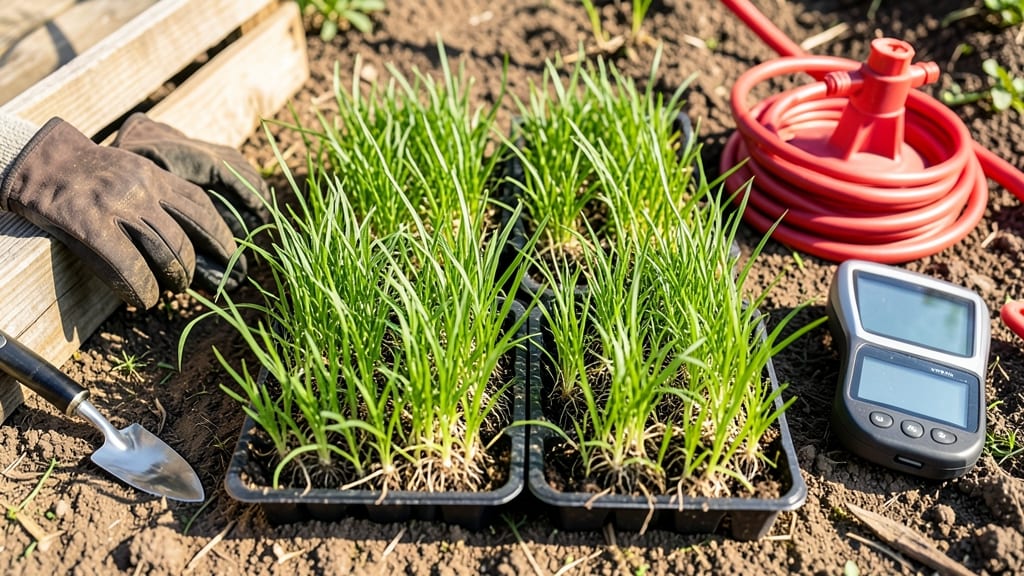
Planting Bermuda grass 🌱 in Oklahoma at the wrong time can turn your dream lawn into a patchy, sun-scorched mess—especially when those 100-degree summers hit.
The secret to a lush, heat-resistant yard isn’t just about the seeds you choose, but the perfect timing when soil warmth and rainfall align for strong root growth.
Most gardeners in zones 6a-7b make the mistake of planting too early, only to watch their grass struggle through late frosts or fail to establish before winter.
I’ve seen firsthand how a late spring planting (after April’s last frost) gives Bermuda grass the head start it needs to thrive—before the real heat arrives.
What you’ll discover here is the exact window of opportunity (and why it matters more than you think), plus soil prep tricks to help your grass beat Oklahoma’s brutal summers. No more guessing—just science-backed timing for a lawn that stays green when others give up.
Let’s cut to the chase: if you plant Bermuda grass too soon, you’ll waste money and effort. But get the timing right, and you’ll have a lawn that’s thicker, greener, and tougher than ever before. Ready to learn the best approach?
Optimal planting windows in Oklahoma: soil temperature & rainfall timing for Bermuda grass
Oklahoma’s warm-season climate gives Bermuda grass two prime planting windows—spring and late summer—but timing is everything. Plant too early, and cool soil stunts root growth. Plant too late, and your lawn won’t establish before winter dormancy.
Let’s break down the ideal windows based on soil temperature and rainfall patterns across Oklahoma’s USDA zones 6a-7b.
For northern Oklahoma (zones 6a-6b), aim for mid-April to early June when daytime highs consistently hit 75°F+. Southern Oklahoma (zones 7a-7b) can start as early as late March, but wait until soil warms to 65°F+ at 4-inch depth.
A soil thermometer is your best friend here—Bermuda grass roots need warmth to germinate.
Spring planting (April–June) is the gold standard for Oklahoma because it gives Bermuda grass 4–5 months of growing season before winter dormancy. The late summer window (August–early September) works too, but you’ll need to monitor rainfall closely—Oklahoma’s unpredictable summer storms can either help or hinder germination.
Pro tip: Check the National Weather Service’s 30-day forecast before planting. Aim for a window with consistent 1–1.5 inches of rain weekly (or plan for irrigation). In drought-prone western Oklahoma, supplement with drip irrigation to avoid stressing young roots.
Northern Oklahoma gardeners should wait until after Memorial Day to avoid late frosts. Southern Oklahoma can start as early as mid-March in zone 7b, but verify soil temps—cool nights can delay germination. Use a soil thermometer to confirm 65°F+ at 4 inches deep before seeding.
If you’re planting Bermuda grass sod instead of seed, the timing shifts slightly. Sod can handle slightly cooler temps (60°F+), so you might start 2 weeks earlier than with seed. Just ensure the ground isn’t waterlogged—Oklahoma’s clay-heavy soils retain too much moisture in spring.
Remember: Bermuda grass is dormant in winter, so late summer planting must establish roots before first frost (mid-November in most of Oklahoma). If you miss the window, wait until next spring—rushing leads to thin, weak turf that struggles with Oklahoma’s intense summer heat.
For best results, align planting with local rainfall patterns. Use the Oklahoma Mesonet to track soil moisture—aim for moderate dryness (not drought) when planting. This helps prevent fungal diseases like brown patch, a common issue in Oklahoma’s humid summers.
🌱 Ready to plant? Grab your soil thermometer, mark your calendar for April 15–June 15 (or August 1–September 10), and prepare for a lush, drought-resistant lawn that survives Oklahoma’s extremes.
How to prepare Oklahoma soil for Bermuda grass planting: pH, drainage & pre-planting steps
Bermuda grass thrives in Oklahoma’s heat, but only if your soil is prepared correctly. Most Oklahoma yards struggle with clay-heavy, compacted soil that drains poorly—perfect conditions for Bermuda grass failure.
The key? Loosening, amending, and balancing your soil before planting to create the ideal 6.0–7.0 pH environment Bermuda grass craves.
Start with a soil test from your local Cooperative Extension office (Oklahoma State University offers free tests). This reveals your soil’s pH, nutrient levels, and texture.
If your pH is below 6.0, Bermuda grass will struggle to absorb nutrients—lime application (10–20 lbs per 1,000 sq ft) raises pH gradually over 2–3 months. For acidic soils (pH >7.0), add elemental sulfur (5–10 lbs per 1,000 sq ft) in early spring.
🌱 Step-by-Step Soil Prep Checklist
- 🔧 Test soil pH (target: 6.0–7.0) using a home test kit or lab analysis.
- 🪴 Loosen compacted clay with a broadfork or tiller to 6–8 inches deep.
- 💧 Improve drainage by mixing in 2–3 inches of compost or sand (50% sand, 50% native soil).
- ⚡ Add organic matter: Spread 3–4 inches of compost over the area and till lightly.
- 🌿 Level the soil with a rake to remove clumps and create a smooth surface.
- 🌱 Apply starter fertilizer (high in phosphorus, like 10-20-10) at 0.5 lbs per 100 sq ft 2 weeks before planting.
- ☀️ Remove weeds with glyphosate (wait 7–10 days before planting) or hand-pull young weeds.
Oklahoma’s clay soils can be a double-edged sword—too much moisture leads to root rot, while poor drainage stunts growth. To fix this, mix coarse sand (like builder’s sand) into the top 6 inches of soil.
This creates larger pores for water and air movement. For severe compaction, rent a rototiller and work in peat moss (20% by volume) to improve structure.
If your soil tests show low organic matter (below 2%), Bermuda grass will struggle to establish. Spread well-rotted compost or aged manure (like cow or horse manure) across the area and till it in.
This boosts microorganisms that break down nutrients Bermuda grass needs. Avoid fresh manure—it can burn roots and introduce weeds.
One mistake Oklahoma gardeners make is skipping soil prep to save time. But Bermuda grass needs loose, well-aerated soil to spread its rhizomes (underground stems) effectively. If your soil is hardpan (a dense layer 6–12 inches down), rent a deep tillage tool or hire a pro to break it up.
Without this step, your Bermuda grass will stay shallow-rooted and brown out during droughts.
For existing lawns transitioning to Bermuda grass, kill the old grass with glyphosate (apply in late summer when Bermuda grass is dormant). Wait 10–14 days for the old grass to die, then till the soil to 4–6 inches deep.
This removes competition and gives Bermuda grass a clean slate. If you’re seeding, lightly rake the soil to create a fine, crumbly texture—Bermuda grass seeds need light contact with soil to germinate.
💡 Pro Tip: In western Oklahoma, where soils are sandier, add 1–2 inches of compost to retain moisture. In eastern Oklahoma’s clay regions, mix in more sand (up to 30%) to prevent waterlogging.
Test your soil’s moisture retention by digging a hole—if water pools after 24 hours, you need better drainage.