
Plants
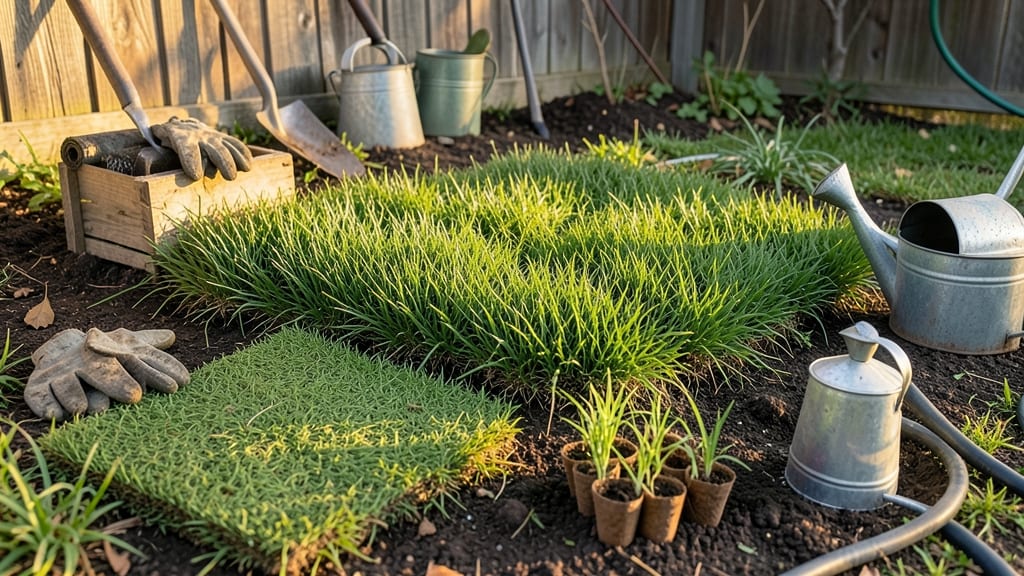
Planting Bermuda grass in Tennessee at the wrong time can mean the difference between a lush, heat-resistant lawn and one that struggles to take root. With summer temperatures hitting 90°F+ and USDA zones ranging from 6a-7b, timing is everything for this warm-season grass. Skip the guesswork and learn the exact weeks to plant for strong, deep roots that thrive in Tennessee’s climate.
Most gardeners in Tennessee wait until after the last frost—typically by mid-April—when soil temperatures consistently hit 65°F. But planting too early risks weak growth, while waiting too long can leave your lawn vulnerable to summer heat before roots establish.
I’ll break down the ideal windows for both spring and fall planting, plus how to prep your soil for maximum success.
Whether you’re overseeding an existing lawn or starting fresh with Bermuda grass 🌱, the key is matching your planting schedule to Tennessee’s unique growing conditions.
We’ll cover when to use seed vs. sod, how to adjust for your specific zone, and why some gardeners swear by a late-August planting for fall establishment.
Ready to transform your yard into a thick, green carpet that handles Tennessee’s heat? Let’s dive into the exact steps and timing that will give your Bermuda grass the best possible start.
Tennessee’s Bermuda grass planting windows by hardiness zones (exact weeks for success)
Bermuda grass thrives in Tennessee’s USDA zones 6b-7b, but the exact planting window depends on your specific zone and whether you’re using seed or sod. In Zone 6b (northwest Tennessee), aim for mid-April to early May when soil temperatures hit 65°F+.
Gardeners in Zone 7a-7b (Middle/Southern Tennessee) can start slightly earlier—late March to mid-April—but always wait until after the last frost date.
The key to success is planting when Bermuda grass can establish roots before summer heat arrives. For seed, soil needs to stay warm consistently, while sod can handle slightly cooler temperatures but still requires 65°F+ soil for root growth.
Fall planting is also an option—late August to early September—to give grass time to spread before winter dormancy.
Here’s why timing matters: Planting too early risks frost damage, while waiting too late leaves your lawn vulnerable to summer drought before roots take hold. I’ve broken down the exact weeks for each zone below to help you choose the best approach for your yard.
🌱
| Zone | Last Frost Date | Ideal Planting Window | Soil Temp Threshold | Best Method |
|---|---|---|---|---|
| 6b (NW TN) | March 15-April 1 | Mid-April to May 15 | 65°F+ | Seed or sod |
| 7a (Middle TN) | March 1-April 10 | Late March to May 10 | 65°F+ | Sod preferred |
| 7b (South TN) | February 28-March 15 | Late March to April 30 | 65°F+ | Seed or sod |
| Fall Window (All Zones) | October 15-Nov 1 | Late August to Sept 15 | 60°F+ | Seed only |
For Zone 6b, I recommend starting with sod if you’re in a hurry—it establishes faster than seed. In Zone 7a-7b, you have more flexibility, but always test soil temperature with a soil thermometer to confirm readiness.
Fall planting works best in Zone 7b, where mild winters allow Bermuda grass to spread before dormancy.
Pro tip: If you’re overseeding an existing lawn, wait until mid-May in Zone 6b or early May in Zone 7b. This gives your current grass time to weaken naturally, making it easier for Bermuda grass to take over.
💧
Bermuda grass planted at the right time in Tennessee will show visible growth within 2-3 weeks (sod) or 4-6 weeks (seed). To track progress, mark a small area and measure root depth—aim for 3-4 inches deep before summer heat arrives. This ensures your lawn survives Tennessee’s 90°F+ summers without wilting.
Need help adjusting for your exact location? Check the UT Extension Office frost maps or use a USDA Plant Hardiness Zone Finder to pinpoint your zone. With the right timing, your Bermuda grass will become the envy of your neighborhood—thick, green, and heat-resistant!
How to prepare your Tennessee lawn for Bermuda grass planting (soil, sun, and prep checklist)
Preparing your Tennessee lawn for Bermuda grass starts with soil testing—this warm-season grass thrives in sandy loam soil with a pH between 6.0 and 7.5. If your soil is too acidic or compacted, Bermuda grass will struggle to establish roots.
I recommend testing your soil in early spring (February-March) so you have time to amend it before planting. UT Extension offices offer free or low-cost soil tests, or use a home test kit for quick results.
Once you have your soil report, adjust the pH if needed. For acidic soil (pH < 6.0), add lime (apply 2-3 months before planting).
If your soil is alkaline (pH > 7.5), mix in sulfur or peat moss to lower the pH. Aim for a 6.5 pH—this gives Bermuda grass the ideal conditions to spread quickly.
🌱
- ☑️ Test soil pH (aim for 6.0-7.5)
- ☑️ Loosen compacted soil with a core aerator (spring/fall)
- ☑️ Remove weeds using herbicide or manual removal 2 weeks before planting
- ☑️ Apply 2-3 inches of compost to improve soil structure
- ☑️ Level uneven areas with topsoil or sand
- ☑️ Water deeply 1-2 days before planting to settle soil
Sunlight is non-negotiable for Bermuda grass—it needs full sun (6+ hours daily). In Tennessee, this means choosing a south-facing yard or an area with minimal shade from trees or structures.
If your lawn has partial shade, Bermuda grass will still grow but may develop thin patches or weaker roots. Before planting, map your yard’s sunlight exposure using a sunlight tracker app or observe shadows at solar noon for accuracy.
For existing lawns, Bermuda grass spreads aggressively, so prepare by killing the current grass if you’re overseeding. Use a non-selective herbicide like glyphosate 2-3 weeks before planting, then till the soil to 2-3 inches deep to create a seedbed.
If you’re planting sod, simply lay it over the existing grass—no tilling required, but remove any weeds first.
💧
Finally, water your lawn deeply 1-2 days before planting to help soil settle and improve seed-to-soil contact. Bermuda grass seeds need consistent moisture to germinate, so plan to water twice daily (morning and evening) for the first 2 weeks after planting.
For sod, water once daily for 10-15 minutes until roots establish (about 2-3 weeks). Mulch with straw (not wood chips) to retain moisture and protect young grass from heat.
With the right prep, your Bermuda grass will establish 3x faster and handle Tennessee’s heat like a pro. Skip these steps, and you’ll end up with a lawn that’s slow to grow, patchy, or prone to drought stress. Take the time to prep now—your future lawn will thank you!