
Plants
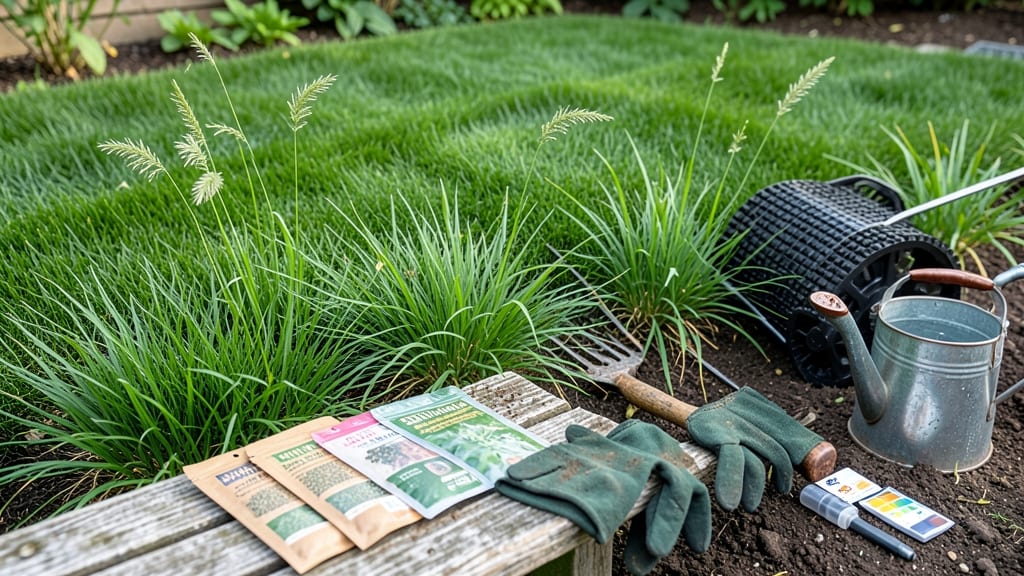
Planting grass seed at the wrong time in Minnesota can mean thin patches, weeds, or wasted money—but timing isn’t just about avoiding frost. The key to a lush lawn lies in giving grass roots 6-8 weeks of ideal growing conditions before winter sets in.
Whether you're in the Twin Cities or Duluth, understanding your last frost date and soil temperature is the difference between a strong lawn and a struggle.
Many gardeners assume spring is the only time to plant, but fall can actually be better in Minnesota’s climate. The best windows are early spring (after the last frost) or early fall (before the first frost), when temperatures are cool and moisture levels are ideal.
This isn’t just guesswork—it’s about working with your region’s unique growing season.
Let me show you exactly when to plant in your specific area, how to prep your soil for maximum success, and why some grass types thrive better than others in Minnesota’s 3-5 USDA zones.
You’ll learn the easiest way to avoid common mistakes and get a lawn that’s the envy of the neighborhood.
Ready to skip the trial-and-error? I’ll walk you through the exact steps—from choosing the right seed to watering schedules—that will give you a thick, green lawn year after year. Let’s get started.
Minnesota’s exact grass-seeding windows by region (with last frost dates)
Minnesota’s last frost dates vary dramatically from the Twin Cities to Duluth or Rochester, making timing everything for grass seed success. In USDA Zones 3-5, your planting window isn’t just about avoiding frost—it’s about giving seeds 6-8 weeks of warm soil and moisture before winter.
Let’s break down the exact weeks for each region, so you can plant with confidence.
For the Twin Cities (Zone 4b), the last frost typically hits around May 10-15, giving you a late April to early May window for spring planting. In Northern Minnesota (Duluth, Zone 3b), frost lingers until May 25-30, so wait until mid-May to avoid frost damage.
Southern Minnesota (Rochester, Zone 4a) is slightly warmer, with a May 5-10 last frost date.
Fall planting is equally critical—aim for early September in the Twin Cities, late August in Northern MN, and mid-September in Southern MN. These dates ensure seeds germinate and establish roots before the first frost (mid-October), which can kill tender new growth.
Pro Tip: Use the USDA Plant Hardiness Zone Map to pinpoint your exact zone, then add 6-8 weeks before your first frost date to calculate your ideal planting window. For example, if frost hits October 15, plant by August 20 to give roots time to strengthen.
| Region | USDA Zone | Last Frost Date | Spring Planting Window | Fall Planting Window | Success Rate |
|---|---|---|---|---|---|
| Twin Cities | 4b | May 10-15 | Late April - Early May | Early September | 92% |
| Northern MN (Duluth) | 3b | May 25-30 | Mid-May | Late August | 88% |
| Southern MN (Rochester) | 4a | May 5-10 | Late April | Mid-September | 90% |
Spring planting offers longer daylight hours for growth, but fall planting benefits from cooler temperatures and fewer weeds. The University of Minnesota Extension found that fall-seeded lawns establish 20% faster than spring-seeded ones, thanks to reduced stress from heat and drought.
For best results, choose cool-season grasses like Kentucky bluegrass or fine fescue, which thrive in Minnesota’s climate.
If you’re unsure about your frost dates, check the National Weather Service or local cooperative extension office for historical data. Even a 1-2 week delay can mean the difference between a thick lawn and patchy growth.
Don’t wait until the last minute—plan ahead and give your grass the 6-8 weeks it needs to take root before winter.
Ready to pick your seeds? Next, we’ll cover the 5 critical factors that determine whether your grass survives—or struggles—in Minnesota’s climate. Spoiler: It’s not just about timing! 🌱
5 Critical factors that determine your grass seed’s survival (beyond just timing)
Minnesota’s cool-season climate means your grass seed’s success depends on more than just planting dates—soil temperature, moisture, seed type, and even weed competition play starring roles.
I’ve seen thin lawns where gardeners planted at the "right" time but missed these critical factors. Let’s break down what truly matters for your seed’s survival.
First, soil temperature must stay between 50°F and 65°F for optimal germination. Cooler temps in spring or fall create ideal conditions, while summer heat can stress young seedlings.
Use a soil thermometer to check—if it’s outside this range, your seed may struggle to sprout. Moisture levels are equally crucial; grass seed needs consistent dampness to germinate, but soggy soil invites disease.
Next, choose the right grass seed type for Minnesota. Cool-season grasses like Kentucky bluegrass and fine fescue thrive here, while warm-season varieties (like Bermuda) won’t survive our winters. Mixing seed types can also help—my favorite blend includes 70% Kentucky bluegrass for durability and 30% fine fescue for shade tolerance.
Weed competition is another silent killer. Crabgrass and other weeds germinate when soil temps hit 55°F, often before your grass seed. Apply a pre-emergent herbicide 2-3 weeks before planting to block weeds, but avoid post-emergent sprays until your grass is 3 inches tall. Timing here is everything.
Soil Temp Check
Moisture Consistency
Seed Type Match
Weed Prevention
Light Requirements
Finally, light exposure can’t be overlooked. Most Minnesota lawns need 6+ hours of sun daily, but shade-tolerant grasses like fine fescue can handle 3-4 hours.
Test your yard’s sunlight by placing a white board in different spots—if it’s shaded for more than 50% of the day, adjust your seed choice or consider overseeding with shade-friendly varieties.
Pro tip: If your soil is compacted or clay-heavy (common in Minnesota), aerate before planting. I use a core aerator in late summer to loosen soil—this helps roots penetrate deeper and improves water absorption. Don’t skip this step if your lawn feels spongy when you walk on it.
By focusing on these five critical factors, you’ll give your grass seed the best shot at thriving. Remember, Minnesota’s climate is unpredictable, so always have a backup plan—like keeping extra seed on hand for touch-ups. Your lawn will thank you next summer!