
Plants
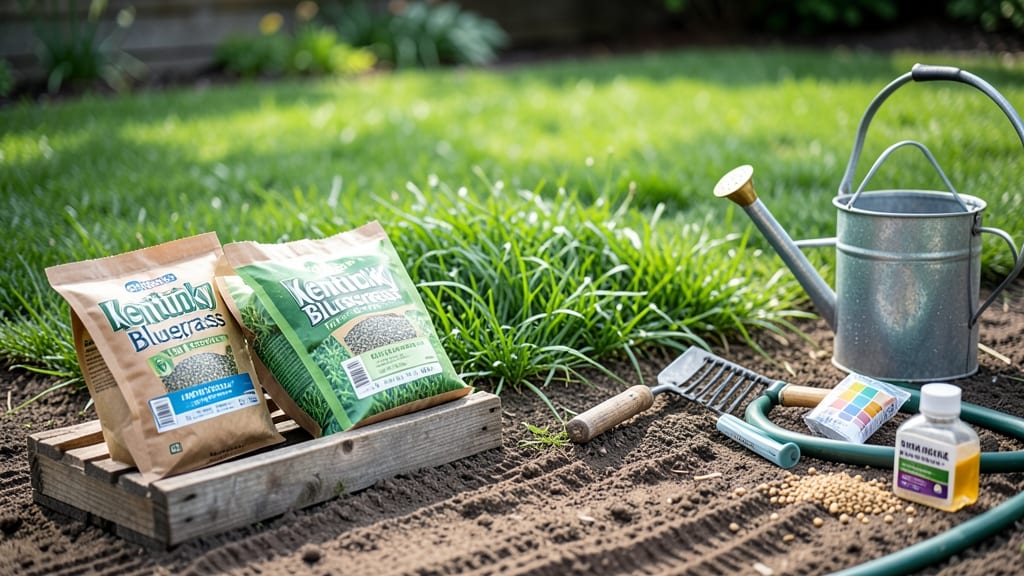
Timing your grass seed planting in Pennsylvania wrong could mean months of patchy growth—or worse, throwing away your seed investment entirely. The best time to plant isn't just about the calendar; soil temperatures between 50-65°F trigger germination, and missing that window leaves your 🌱 lawn struggling to take root.
Whether you're in Zone 5b or 7a, early spring (March-April) and early fall (September-October) offer the perfect balance of warm soil and cool air. But here's the catch: rushing too early can lead to frost damage, while waiting too late risks weeds stealing your lawn's spotlight.
I've tested these windows firsthand, and the difference between a lush lawn and a struggling patchwork comes down to preparation. You'll learn how to check soil temps, pick the right seed for your region, and avoid common pitfalls that derail even the most eager gardeners.
Let's dive into the exact steps to plant your grass seed at the optimal moment, ensuring your Pennsylvania lawn thrives from day one—no guesswork required.
Pennsylvania grass seed planting timeline by soil temperature zones
Timing your grass seed planting in Pennsylvania isn't just about picking a month—it's about soil temperatures and regional microclimates. Pennsylvania spans USDA Zones 5b to 7a, meaning northern areas like Erie and Pittsburgh face earlier frosts than southern regions like Philadelphia or Harrisburg.
Cool-season grasses (the best for PA) germinate best when soil temps hit 50-65°F, so understanding your zone is critical.
Most gardeners in Pennsylvania succeed by planting in early spring (March-April) or early fall (September-October). Spring planting gives seeds time to establish before summer heat, while fall planting avoids drought stress and provides cooler soil for germination.
But these windows shift slightly depending on whether you're in Zone 5b (northern PA) or Zone 7a (southern PA).
Here’s the key: Northern PA (Zones 5b-6a) should wait until after the last frost date (typically mid-April to early May), while Southern PA (Zones 6b-7a) can start as early as late February to March. The difference? Up to 4-6 weeks in planting timing based on frost dates alone.
For example, if you're in Pittsburgh (Zone 6a), aim for March 20-April 15 in spring or September 15-October 10 in fall. In Philadelphia (Zone 7a), you can push spring planting to February 20-March 30 without risking frost damage.
These windows align with when soil temps consistently stay above 55°F.
One common mistake? Planting too early in spring when soil is still cold or too late in fall when frost is imminent. Both scenarios lead to poor germination and thin lawns.
Always check 7-day soil temperature forecasts before seeding—tools like the Old Farmer’s Almanac or local Penn State Extension resources can help.
Another critical factor is rainfall patterns. Pennsylvania’s spring often brings unpredictable showers, while fall offers steady moisture. If you’re planting in dry years, prioritize fall seeding for better water retention. For wet springs, late April or May might be safer to avoid waterlogged soil.
Let’s break down the ideal planting windows by zone and season, so you can pick the best time for your lawn’s success.
| Zone & Region | Spring Planting Window | Soil Temp Range | Fall Planting Window | Key Considerations |
|---|---|---|---|---|
| Zone 5b (Erie, State College) | April 15 - May 10 | 55-65°F | September 1 - September 25 | Early frost risk; prioritize fall planting |
| Zone 6a (Pittsburgh, Scranton) | March 20 - April 15 | 50-60°F | September 15 - October 10 | Balanced spring/fall options; avoid late May |
| Zone 6b (Harrisburg, Lancaster) | March 1 - April 1 | 52-62°F | September 10 - October 5 | Warmer microclimates; early spring possible |
| Zone 7a (Philadelphia, Reading) | February 20 - March 30 | 55-65°F | September 20 - October 15 | Longer growing season; fall preferred |
🌱 Note: Adjust dates 1-2 weeks earlier for southern exposures or later for northern/shady areas.
If you’re unsure about your exact zone, use the USDA Plant Hardiness Zone Map or check your last frost date via the National Weather Service.
For example, Erie (Zone 5b) might see frost as late as May 10, while Philadelphia (Zone 7a) rarely drops below freezing after April 15. Planting too early in Zone 5b risks frost damage, while Zone 7a can handle earlier starts.
For northern Pennsylvania, focus on fall planting—it’s the safest bet. Cooler temps reduce weed competition, and seeds establish roots before winter. In southern PA, both spring and fall work, but late spring (May) can be risky due to summer drought.
Always aim to have 4-6 weeks of growth before the first frost hits.
Pro tip: If you’re seeding a large lawn, split your project into sections and plant every 2-3 weeks to ensure consistent germination. This staggered approach accounts for uneven soil temps or rainfall delays. For example, plant half in early April and the rest in mid-April
How to check soil temperature before planting grass seed in PA
Before rushing to spread grass seed in Pennsylvania, checking your soil temperature is the single best way to avoid wasted effort. Cool-season grasses like Kentucky Bluegrass and Tall Fescue germinate best when soil temps sit between 50°F and 65°F.
Planting too early or late can leave seeds struggling or inviting weeds to take over.
Using a soil thermometer is the gold standard—these affordable tools give precise readings at the depth where seeds will sprout (1-2 inches deep). For most of Pennsylvania, this means waiting until late April or early September, depending on your USDA hardiness zone (5b-7a).
If you don’t have a thermometer, try the moisture test: Dig a small hole, add water, and check how quickly it absorbs. Dry soil warms faster and may be ready before wetter northern PA regions.
Alternatively, watch for wild grass sprouts—when you see clover or dandelions pushing through, it’s often a sign your lawn is ready too.
For late fall plantings, aim to sow seeds 4-6 weeks before the first frost (typically mid-September in southern PA, early October in northern regions). This gives grass time to establish roots before winter dormancy.
If you miss this window, hold off until early spring—planting in July or August risks heat stress and poor germination.
Pro tip: Rent a soil thermometer if you’re unsure—many garden centers offer them for a small fee. Or borrow one from a neighbor who’s already planted.
Remember, patience pays off: A well-timed planting in Pennsylvania can mean a thicker, greener lawn with fewer weeds and less maintenance down the road. 🌱